Most thru-hiker blogs end with a summit photo. This one ends with a confession. A Wisconsin hiker writing for The Trek has revealed that his Appalachian Trail "flip-flop" — hiking north to Maine, then jumping back to finish southbound — quietly fell apart before Katahdin, and he's been sitting with the fallout ever since.
The plan sounded solid: reach Mount Katahdin in Maine, return home to Wisconsin for a cortisone shot in his arthritic knee, see his wife, vote, take a Boundary Waters trip, then ride Amtrak back to Pawling, New York and push south to Springer Mountain, Georgia. But by the time he reached Maine, he'd already stopped believing he'd go back. A December finish through the Smokies risked post-holing through snow; teaching commitments and family life stacked up against a winter finish.
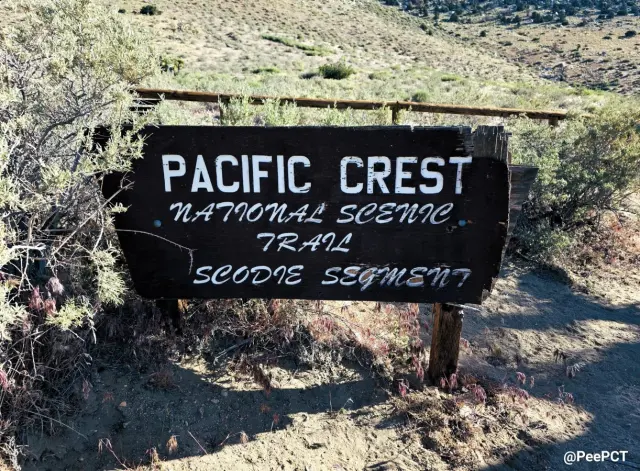
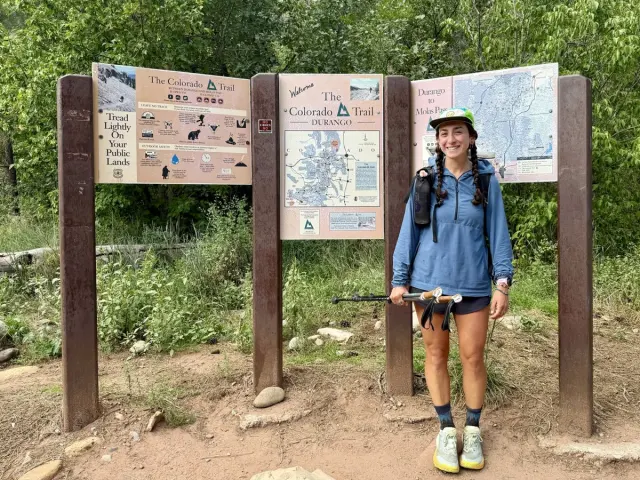
Here's what makes the story unusual: this is no novice. The writer has already thru-hiked the Pacific Crest Trail and the Continental Divide Trail — wildfires in Oregon, norovirus in the Cascades, frost-stiffened boots on the CDT. He was 6,000 miles into the Triple Crown when he chose to stop, and even a deliberate decision felt like a broken promise. He's decided that when he returns, it will be as a section hiker, not a thru-hiker, and that distinction has weighed on him more than he expected.
The other side of the story is the one hikers rarely write about: post-trail depression. On the AT he got fit, shed weight, made friends like the kilt-wearing Guru he summited Katahdin with, and found that a life shrunk down to miles, chores and resupply stops gave it purpose. Back home in Wisconsin, that sharper version of himself is fading — while Instagram feeds him autumn photos from Maine and the thought "that could have been me."
For anyone eyeing a long trail, the takeaways are honest ones. Flip-flops are a legitimate strategy, but the calendar math matters: a late-season Katahdin can force a southern finish into December snow, and a mid-trail break can quietly become an ending. And the mental crash after finishing (or not finishing) a big hike is real, even for veterans on their third 2,000-miler.
It's also a useful reminder that the trail will still be there. The Whites, the Mahoosucs, the Bigelows and the 100-Mile Wilderness don't expire — but the window your body gives you to hike them, the writer notes, is less certain than your motivation. His advice, earned the hard way: if your body has doubts about holding up for another season, finish the thing you started.