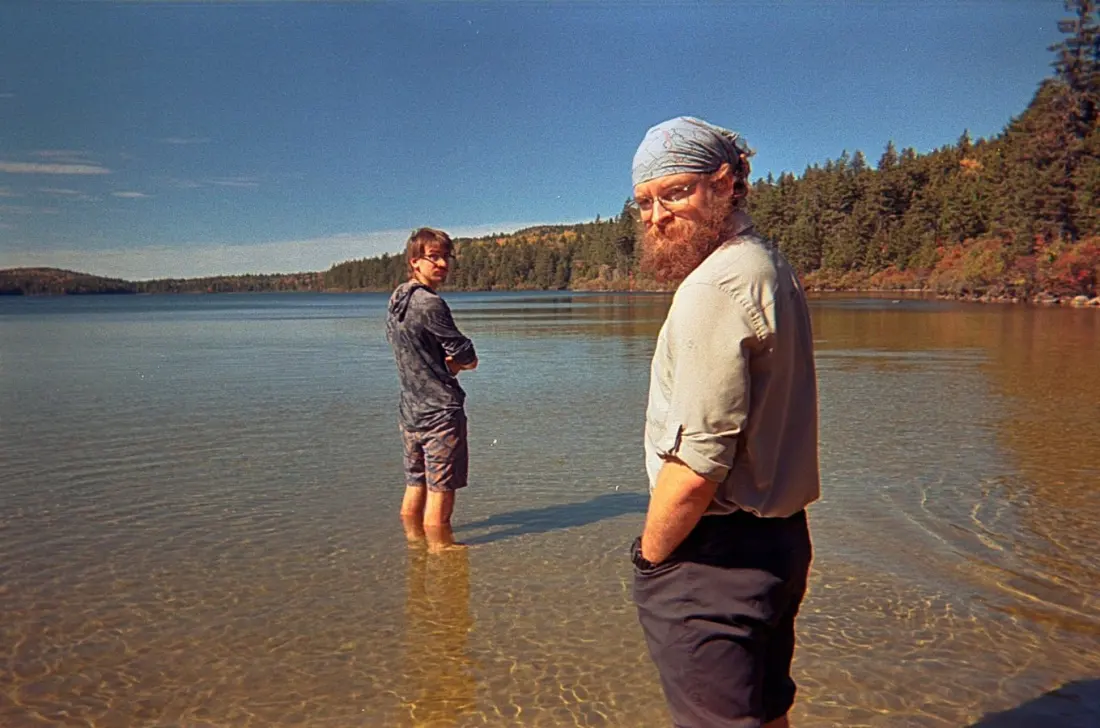
Around 158 days into an Appalachian Trail thru-hike, with the northern terminus of Katahdin in sight, one hiker hit a wall familiar to many long-distance walkers: the miles had become a job instead of a holiday.
The maths was the problem. Katahdin, the mountain in Maine where the trail ends, closes to hikers on 15 October, and locals were warning of an early winter. Add two days likely lost to a incoming Nor'Easter storm, and the remaining schedule demanded long, relentless days with zero margin — no long lunches, no lazy mornings, no time to actually enjoy the wilderness the hikers had walked 2,000 miles to experience.
So the writer and their father asked a question most thru-hikers face at some point: do we finish exactly as we started, or do we change the plan? Their trail companions, going by Dreamcatcher and Small Bites, had already decided to leapfrog ahead to Shaw's hiker hostel in Monson, Maine. Skipping ahead would preserve time to savour the famous 100-Mile Wilderness — the trail's longest stretch without resupply towns, and for many the emotional highlight of the final weeks.
The writer's honest self-assessment is the interesting part. The grind of big-mile days had stopped being the point. What mattered now was slow mornings in nature, reflection, and long conversations — including a memory of beers at Lazy Hiker Brewing in Franklin, North Carolina, where the pair had toasted early in the hike with the words "it's vacation!". Somewhere along the way, that spirit had drained away. Faced with a deadline-driven death march to the finish, they chose to skip up to Monson and hike the last stretch on their own terms. The group sheltered from the storm at the Maine Roadhouse, relieved.
It's a useful read for anyone eyeing a long trek. Trails like the AT reward flexibility: a formal finish line matters less than how you feel on the walk. Season deadlines — October snow on Katahdin, permit windows on other routes — create real pressure, and choosing to shorten a route is a legitimate strategy, not a failure. The story also highlights the support network that makes such pivots possible: hostels like Shaw's in Monson and shuttle drivers who move hikers and their gear around obstacles, plus trail-town institutions like a Maine Roadhouse bunk during bad weather.
For travellers, the takeaway generalises well beyond the AT. Build slack into any ambitious itinerary, know your real motivation before you set out, and be willing to cut or skip sections when the plan stops serving the reason you booked the trip in the first place. Sometimes the right move is the one that gets the feeling back.