
Skip the Big Five checklist for a moment. Some of Africa's most memorable sightings come from animals that look like they were sketched during a particularly creative brainstorm — and a recent round-up in Getaway South Africa highlights exactly where to find them.
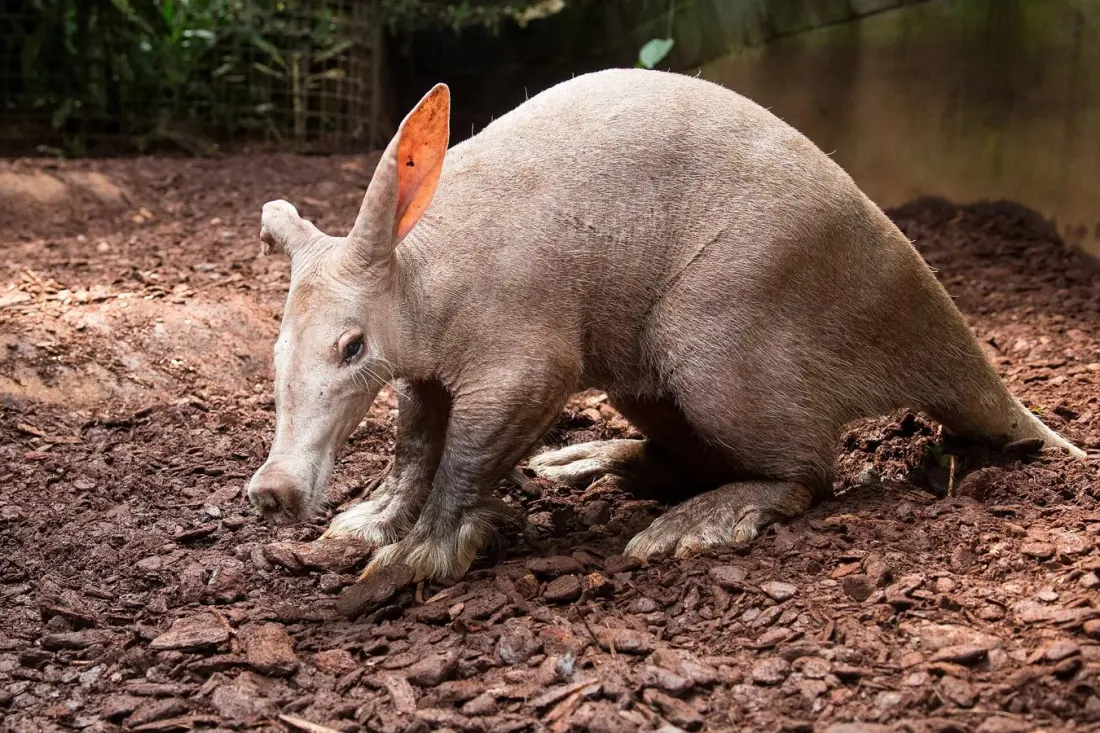
Start with the aardvark: long ears, a pig-like snout, powerful claws and a thick tail, all built for a nocturnal life of digging up ants and termites. It ranges across South Africa, Namibia, Botswana, Zimbabwe and Mozambique, and your best odds are in the country's drier reserves — Tswalu Kalahari and Kgalagadi Transfrontier Park among them. Its abandoned burrows often end up as shelter for other species, so it's a keystone digger as well as a curiosity.
The aardwolf is the next oddity. Despite the hyena resemblance, it eats almost nothing but harvester termites, hoovered up with a sticky tongue. It's widespread in South African grassland and scrub, with Tswalu, the Kgalagadi and parts of the Eastern Cape offering realistic chances.
Then there's the bat-eared fox, essentially a fox designed around a pair of enormous ears. Those ears aren't cosmetic — they pinpoint insects moving underground and under vegetation. Look for it in Namibia, Botswana and South Africa, with the Kgalagadi the classic destination and parts of the Northern and Western Cape also within range.
The honey badger rounds out the mammal line-up: compact, muscular and famously unfussy, eating everything from reptiles to insects (honey is only part of the menu). It's widely distributed but solitary and ranges over huge areas, so sightings are a matter of luck — the Kalahari and other dry regions are your best bet.
One entry breaks the Southern Africa rule entirely. The giraffe weevil lives in Madagascar, where males sport an extraordinary elongated neck used in bouts against rival males. It's found in native forests on its host plants, and it's a small example of why Madagascar, with its huge number of endemic species, rewards travellers who care about odd wildlife.
What ties these animals together is that none of them show up casually. Most are nocturnal, solitary or both, and several live away from the busy self-drive circuits. That means night drives, patient guiding and reserves that specialise in quieter, drier habitats — which is precisely why a sighting feels like a genuine trophy rather than a tick-box. If you've done Kruger and want a different kind of safari, pointing yourself at the Kalahari's strange survivors is a solid bet.
Full details come from Getaway South Africa.