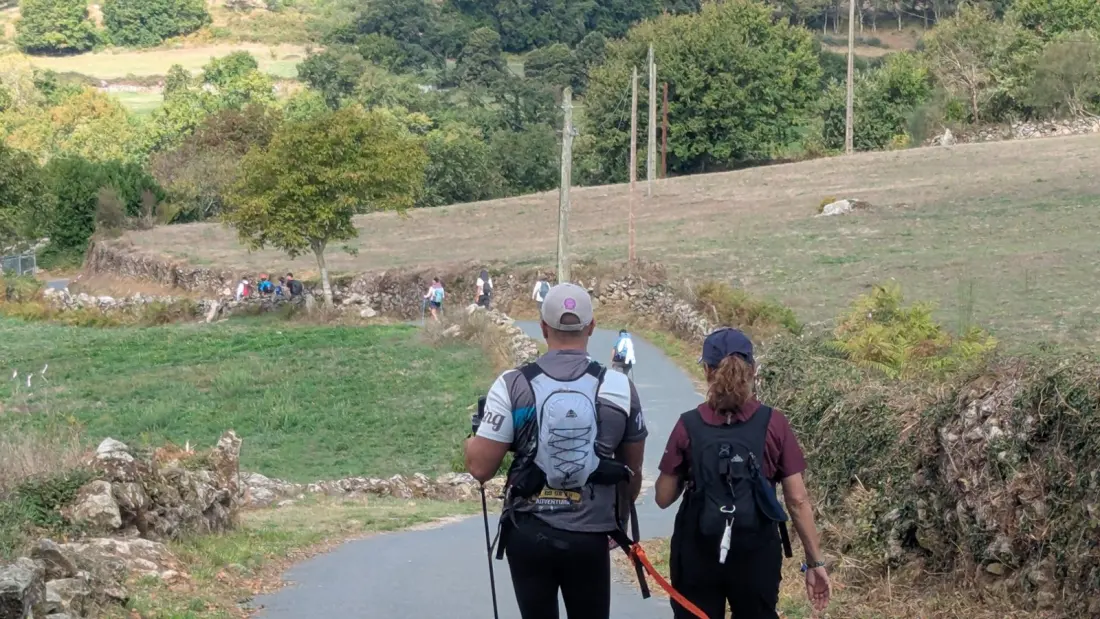
Day 21 on the Camino Francés takes pilgrims through rolling rural lanes in Galicia, between six-foot dry-stone walls and past the small milestone that matters most: the 100km-to-Santiago marker, with 62 miles still to go. The walking is gentle here, but the scenery is quietly fascinating — dotted with hórreos, the raised stone, brick or wooden granaries that define the Galician countryside.
Hórreos date back as far as the 13th century and were built to solve a local problem: Galicia's damp climate stops grain from drying properly in the field. Ears of millet — later New World corn — were stored whole in the slatted structures so air could circulate and prevent spoilage. Mechanical drying has replaced them, and a 1973 Spanish decree now protects the surviving granaries of Galicia and Asturias after rural abandonment left many derelict. Some stand at odd angles, apparently dropped rather than placed, refusing to defer to the landscape around them.
Food is the other highlight of this stretch. This is pulpo country: roadside bars run pulperías with copper cauldrons steaming outside, serving octopus Galician-style with smoked paprika, sea salt and olive oil on small wooden plates, eaten with toothpicks. Add soft local cheese drizzled with Galician honey and seasonal padrón peppers, and it's easy to justify a long lunch break.
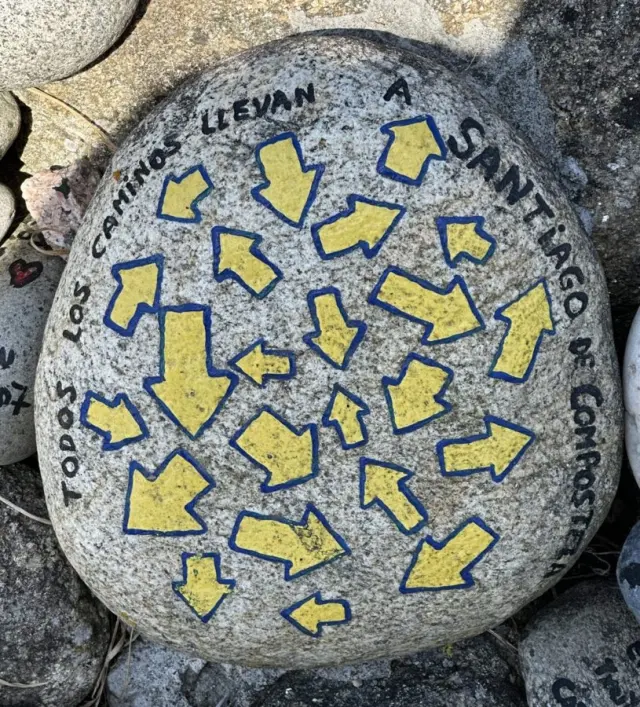
The trail also carries history beyond the yellow arrows. The modern revival of the Camino owes much to Manuel Fraga Iribarne, Galicia's regional governor in the mid-1990s, who worked with Father Elías of O Cebreiro — the priest who painted the original waymarking arrows — to rebuild the infrastructure pilgrims use today. Back then the route was a quiet track walked mainly by devout Catholics, historians and keen hikers; today thousands share it, from fresh-faced day-trippers with tiny packs to weathered long-haul pilgrims.
Why should a traveller care? Because this final section of the Camino is more than a means to Santiago. It's a walk through working farmland, living food traditions and 800-year-old rural architecture — with hostels, coffee stops and pilgrim conversation woven in. You don't need to be religious to enjoy it; the people you meet, from a 12-month cancer survivor walking with her son to world-travellers on their eighth Camino, are half the experience.