
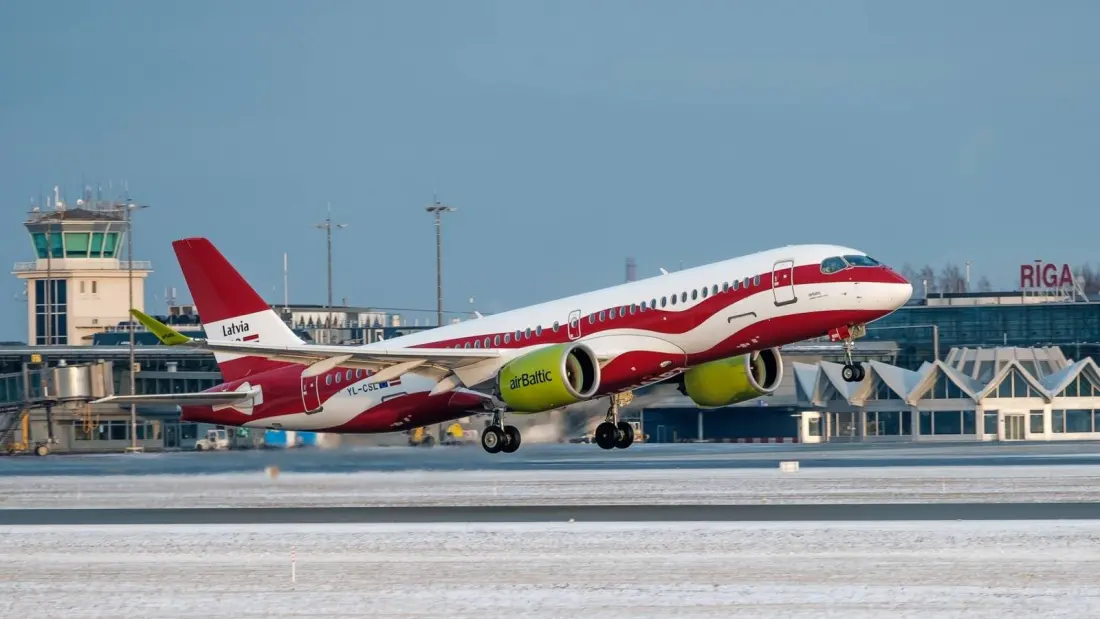
Latvia's flag carrier airBaltic has filed for Chapter 11 bankruptcy protection in the US Bankruptcy Court for the Southern District of New York. Before alarm bells ring: this is the restructuring route airlines routinely use to fix their finances while staying in the air, not a shutdown. The airline moved voluntarily, saying the process will let it restructure its obligations while continuing to operate.
The filing comes at a financially awkward moment. Less than a week earlier, airBaltic reported that its August load factor had slipped 2.3%, with passenger numbers failing to keep pace with the seats it was adding. To get through the restructuring, the carrier has lined up €350 million in new debtor-in-possession financing to keep liquidity flowing, on top of up to €257 million in interim financing secured just days before the filing. The goal, according to the airline's supervisory board chair Andrejs Martinovs, is to emerge with a financially stronger company and a substantially reduced debt load it can actually sustain.
If you've already booked with airBaltic, the message is simple: do nothing. Flights are operating as scheduled, tickets and reservations remain valid, and customer service is running normally. Refunds, vouchers, gift cards and baggage or service claims are all still being handled under the airline's existing policies. Chapter 11 exists precisely so companies can keep trading day to day under court supervision while they sort out their balance sheets behind the scenes.
airBaltic is an unusual airline worth knowing even beyond this news. It flies a single aircraft type — the Airbus A220-300 — with 54 of them in the fleet and another 40 on order. The jets average just 5.4 years old and seat 148 or 149 passengers in a flexible two-class layout that can be resized depending on business class demand. This month the airline has scheduled over 4,200 A220 flights, with the busiest route being the short hop between Riga and Tallinn, running five times a day in each direction. Beyond its Latvian base, the airline also operates out of Estonia, Finland and Lithuania, so it's a carrier many northern European travellers end up on whether they planned to or not.
For holidaymakers, the practical takeaway is that nothing changes right now — bookings stand and flights fly. But it's worth keeping an eye on the process over the coming months. Restructurings can lead to route cuts, schedule tweaks or changes to loyalty and credit schemes down the line, so travellers with trips planned well into next year should check their flight status before travelling and consider paying by card for extra booking protection. For now, though, the Baltic region's busiest airline intends to come out of this leaner, not grounded.