Airbnb has rolled out a policy change that settles, at least on paper, one of holiday rentals' most argued-about questions: how much housework can a host reasonably demand before you check out? The new rules apply to all bookings made on or after Friday, 20 November, and they've already stirred up plenty of feeling on both sides.
The argument is familiar to anyone who's rented a self-catering place. Guests say they're paying customers, not family friends on a free stay, and shouldn't be leaving with a to-do list. Hosts counter that running the dishwasher or bagging the rubbish is basic courtesy in a holiday let. Feeling ran high enough that a Change.org petition defending hosts' right to ask guests to wash up – on the grounds that "self-catering is not a hotel service" – collected more than 31,000 signatures by the day the rules took effect.
Airbnb's response was to soften its wording and clarify. A section originally called "Requests" on listing pages is now "Additional rules", and the company has published clearer guidance on what hosts can and cannot enforce. Its stated goal is that guests know exactly what they're signing up for before booking, since long checkout chore lists have reportedly been putting people off.
So what's actually changed? Every listing now has a clearer "House rules" section, with seven standard options covering things like maximum guest numbers, quiet hours, pets, smoking, events, photography and locking up at check-out. These also appear in your Trips tab and reservation reminders, so no more nasty surprises buried in a listing description.
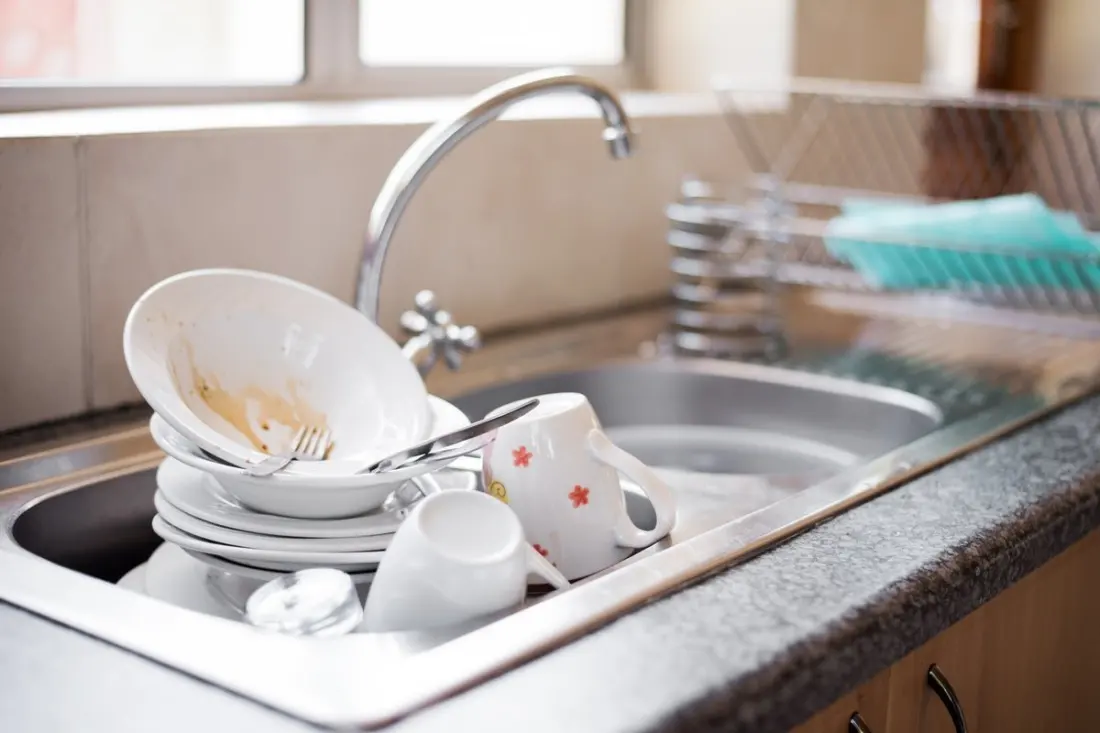
The "Additional rules" section is where it gets specific. Airbnb has drawn lines around four common chore categories. Washing up: you can be asked to leave dirty dishes in the sink, but not to wash, dry and put them away. Laundry: gathering used towels is fair game, but stripping beds or starting a wash is not. Rubbish: separating recycling into indoor bins is acceptable, but hauling bags off-site is off the table. Utilities: switching off the air conditioning on your way out is fine to ask; banning you from using an advertised amenity is not.
There are local exceptions – a host in a drought-affected region can reasonably ask you to keep showers short, for instance. And the policy cuts both ways: guests who repeatedly ignore house rules can face consequences, while guests can report hosts whose demands breach the new limits. Airbnb is reviewing all existing listings from 20 November and will flag non-compliant requests to hosts.
For travellers, this is a genuinely useful change. It means you can weigh a property's expectations before you pay, and it gives you solid ground to push back on unreasonable demands mid-trip. If you like the self-catering ritual of a final tidy-up, plenty of hosts will still welcome it – you just won't be penalised for skipping it. For hosts, the message is to keep checkout requests light and clearly disclosed.