There's a strange irony at the heart of modern airport lounges: the very thing they were built to offer — an escape from the crowded terminal — is now almost impossible to find inside them. A recent piece from travel writer One Mile at a Time argues that accessible lounges (think Priority Pass and credit-card lounges, not ultra-exclusive first class clubs) have flipped their purpose entirely, and that travellers should rethink when a visit is actually worth it.
Fifteen or twenty years ago, even the most basic lounge made sense. Free Wi-Fi and power outlets were rare in the terminal, so a lounge was where you went to work in peace. The food was famously grim — cubes of cheese and snack mix — but the quiet was the real product, and most operators barely tried to make money from them. Airport real estate is expensive, so lounges sat mostly as a cost centre, part of a premium bundled experience.
Today the equation has reversed. Terminals now widely offer free Wi-Fi, abundant charging and plenty of quiet corners, while lounges have become destinations in their own right — better food, better amenities, and dramatically more eligible visitors thanks to the credit card arms race between airlines and card issuers. The result: every seat taken, waitlists to get in, and the familiar sight of people taking calls and watching videos without headphones. Crowding maximises revenue for operators, but it kills the original appeal.
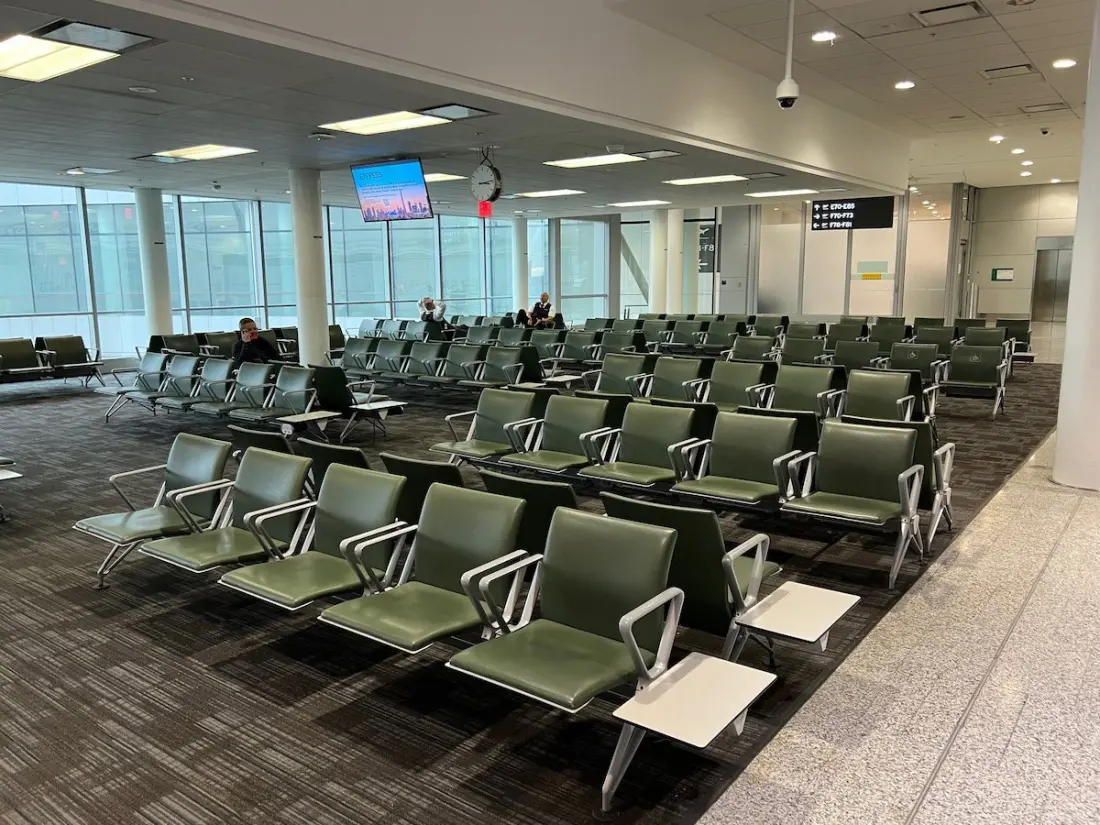
The writer's own rule is refreshingly simple. Visit the lounge if you genuinely want to eat or drink — then leave. Once you're done with the buffet or the espresso, head to a quiet, unoccupied gate area and wait there until boarding. Grab-and-go lounges, which increasingly let you take coffee and snacks with you, get particular praise: they deliver the best part of lounge access (the food and drink) without forcing you to compete for seating.
There's also a gentle jab at the psychology of it all. Many cardholders treat lounge visits as a way to justify annual fees, or to eat something that feels "free" — the writer jokes that social media's label of "upper middle class airport cafeterias" isn't far off. The point isn't that this is wrong; it's that you should make a deliberate choice rather than defaulting to the lounge out of habit.
Why does this matter to travellers? Because premium perks only pay off if they match your actual habits. If you're flying from a major US hub where lounge overcrowding is chronic, you might genuinely be more comfortable in an empty gate area — and using your lounge access strategically (a meal before a long-haul, coffee to go) gets more value than parking yourself in a packed room for two hours. It's a useful reset for anyone weighing a premium credit card against the reality of queuing for a seat.