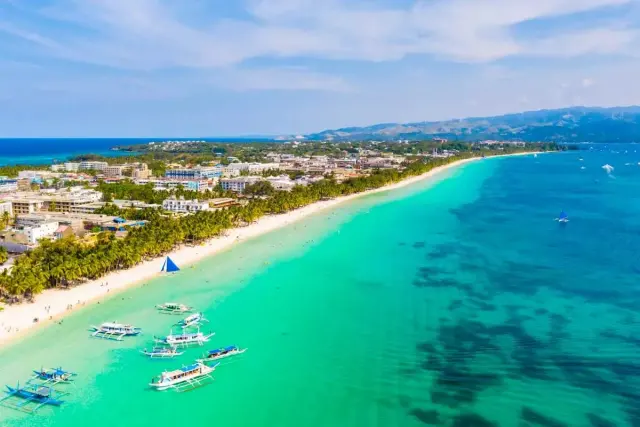
With more than 7,000 islands, the Philippines is easy to reduce to a beach-and-fly itinerary. But talking to Euronews Travel at World Travel Market in London, Marga Nograles, COO of Tourism Promotions Board Philippines, made the case for slowing down — and for planning around the seasons.
The country welcomes visitors year-round, she says, but timing changes what you get. December to May is whale watching season across four destinations, and the calm months suit island hopping between the bigger-name beach resorts. Surfers should aim for September to January, when swells around Siargao can hit roughly nine feet — that window is also prime time for canyoneering and the sardine run.
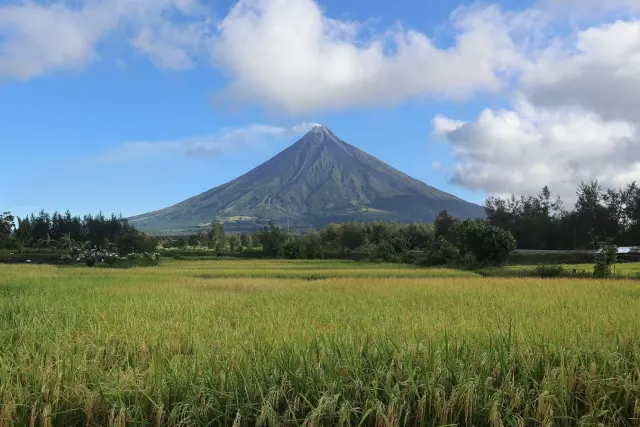
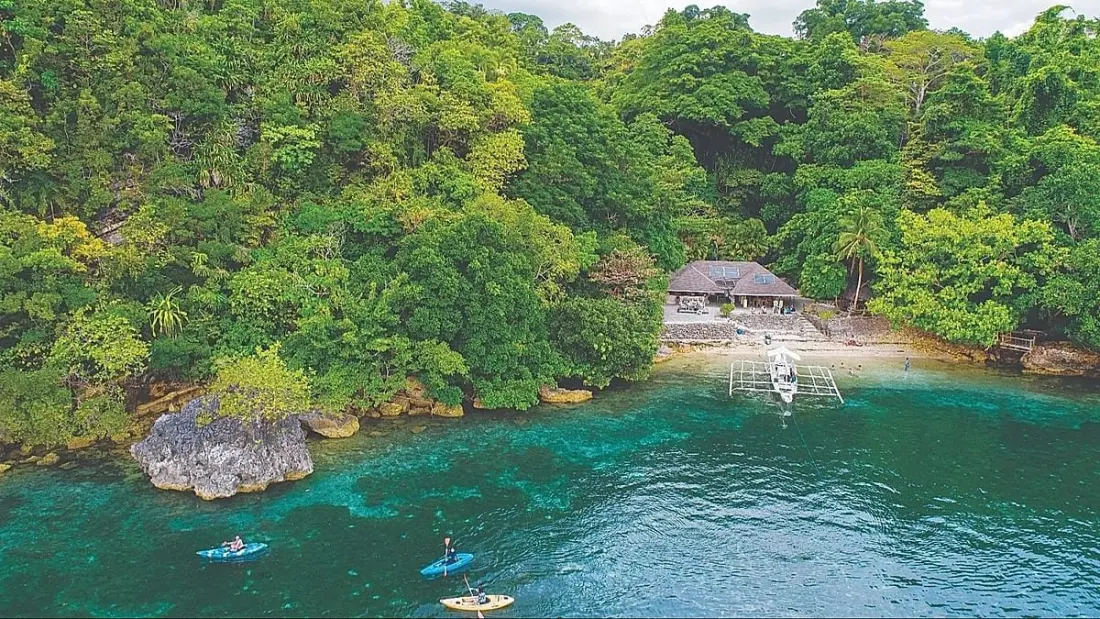
As for where to go, Nograles highlighted a few places flying under the radar. Siquijor, the third-smallest province in the country, pairs white-sand beaches and waterfalls with a reputation for local tradition; you can kayak, trek and snorkel in the Caticugan Marine Protected Area. Clark, in Pampanga, is pitched as an accessible getaway with history and a fast-growing food scene. And Camiguin — an island with 14 volcanoes — landed a spot on The New York Times' 52 Places to Go in 2026, the only Philippine province to make the list, thanks to its volcanic scenery, waterfalls and natural springs.
Food is arguably the country's best-kept story. Iloilo City, the so-called heart of the Philippines, was named a UNESCO Creative City of Gastronomy in 2023 and has more than 300 restaurants, plus Timplada, a food event running since 2021 that digs into local culinary heritage. Bacolod, on Negros island, became Asia and the Pacific's first international Slow Food Hub, and the surrounding Negros Occidental is the country's organic farming capital. Out at Carbin Reef, a sandbar off the coast, you can eat kinilaw — raw fish cured in vinegar and tossed with tomato, red onion, ginger and lemon zest — about as fresh as it gets.
Then there are the festivals. The Philippines reportedly stages more than 40,000 a year, but three stand out for travellers. Sinulog in Cebu is a faith celebration of the Santo Niño that, in Nograles's telling, stops the entire city — street parties, boats out, face paint everywhere. Davao's Kadayawan is a harvest festival with concerts, street dancing and the southern island's best fruit. And in the northern mountains, the month-long Panagbenga Festival celebrates the flower season in full bloom.
Why it matters: the Philippines rewards travellers who match their trip to the season and look past Manila. Surfers, food-obsessed slow travellers and festival hunters all have a clear window and a clear destination — and the hidden islands like Siquijor and Camiguin are still quiet enough to feel like a discovery.