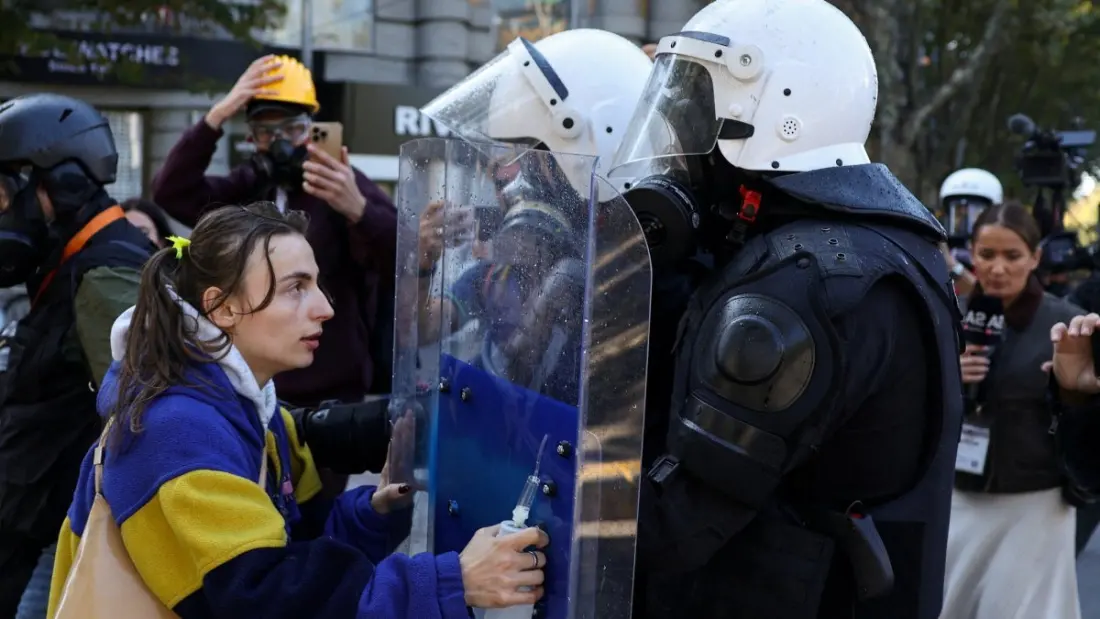
Albania has been rocked by more than a week of anti-government demonstrations centred on the capital, Tirana, and the unrest has now crossed into serious territory. A police station was set on fire after petrol bombs were thrown into it, the interior ministry entrance was also attacked, and the education ministry — the focal point of the protests — has been badly damaged along with several other government buildings. Prime Minister Edi Rama called the arson a "red line", saying protests are a right but violence is a crime.
The numbers show how heated things have become. Around 300 people have been injured since the clashes began, more than half of them police officers. Demonstrators have hurled stones, petrol bombs and fireworks at riot police, who have responded with tear gas, water cannons and rubber bullets. On Monday, hundreds gathered outside the education ministry from early morning, with clashes flaring again in the afternoon and a small group smashing windows at the appeals tribunal before police moved in.
The movement began with a controversial resort development linked to the Trump family but has broadened into demands for better university conditions, anger over corruption, and calls for Rama to resign. A 22-year-old student, Leka Sina, summed up the mood: the movement continues until Rama goes, but protesters want social peace, not criminality. Rama says he is open to dialogue — but not with those who use violence, or with parties that won't distance themselves from it. He has also blamed "foreign hands", accusing Russia and Iran of stoking misinformation across Albanian social media, including tens of thousands of alleged fake profiles posing as environmental activists.
In a gesture aimed at shoring up the police, Rama promised a €2,500 payment to each officer on the front lines plus a significant salary rise from 1 January.
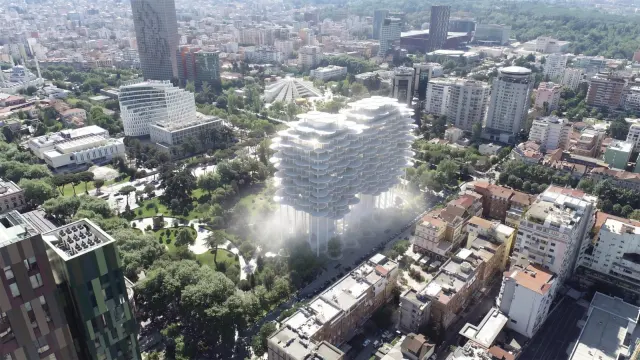
Why it matters to travellers: Tirana has been one of Europe's fastest-rising city-break picks, and Albania generally welcomes visitors with cheap prices and friendly locals. But if you have a trip booked in the coming weeks, keep an eye on the situation. The unrest so far has targeted government buildings in central Tirana rather than tourist areas, yet tear gas, road closures and transport disruption can spill over quickly. Avoid large crowds and demonstrations, monitor local news and your embassy's advisories, and build some flexibility into any plans that pass through the city centre. The Albanian coast and the north remain unaffected for now, so itineraries outside Tirana are largely business as usual — but check before you travel, as the situation is still evolving.