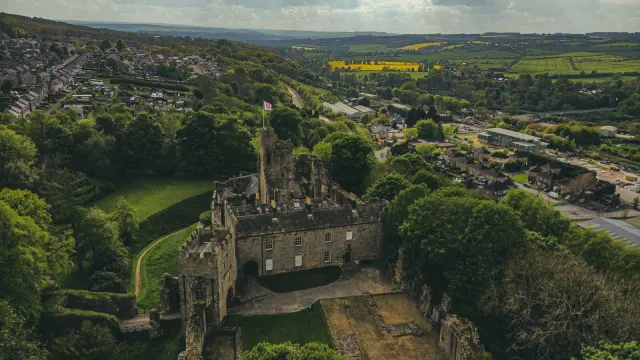
Portugal's Alentejo is putting its trail network centre stage this autumn. The third Alentejo Walking Festival runs from October 29 to November 1, and its public highlight is a weekend of almost 50 organised walks spread across the region on October 31 and November 1. Registration is free, but you do need to sign up in advance — places close at 5.30pm on October 28, so book early via the festival website.
The event is run by the Alentejo and Ribatejo Regional Tourism Authority with the regional promotion agency and local councils, and it has a clear goal: to cement the Alentejo as one of Europe's go-to walking destinations. The region has quietly built up an extensive network of marked trails over the past 15 years, and the festival is designed to show it off. Authority president José Manuel Santos describes the walks as a showcase for the best routes, framing them as an open invitation to come and use them.
These aren't just rambles. Most routes come with an interpretive element — guides who unpack the landscapes, history and traditions of the villages and countryside you pass through — and many are paired with cultural activities. That fits the wider pitch: the Alentejo's trails thread past megalithic sites, rural heritage and nature reserves, so a day's walk tends to double as a crash course in the region. For anyone who thinks of Portugal as beaches and Lisbon, this is a very different side of the country — olive groves, cork oaks, ancient stone circles and sleepy hill towns.
The festival isn't purely for walkers either. It opens on October 29 with a conference in Gavião on how walking routes should be governed and managed, followed by a workshop for Portuguese tour operators in Nisa on October 30. Domestic tour operators get familiarisation visits from October 29 to November 1, and international media are invited in from November 5 to 8 — a sign the region is pushing hard to get Alentejo walking onto packaged itineraries and international radars.
Why it matters to travellers: this is a rare chance to sample dozens of routes across a whole region in one weekend, with local guides and zero cost beyond getting there. Even if you can't make the festival dates, the trail network exists year-round, and the festival website doubles as a directory of what's walkable. Late October and early November are also a sweet spot for the Alentejo — summer heat has eased, the countryside is still green, and accommodation is cheaper than in the coastal hotspots. If you want a low-key, authentic slice of Portugal on foot, this is a good prompt to plan it.