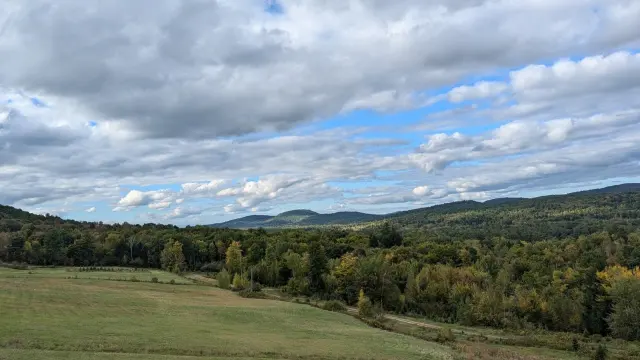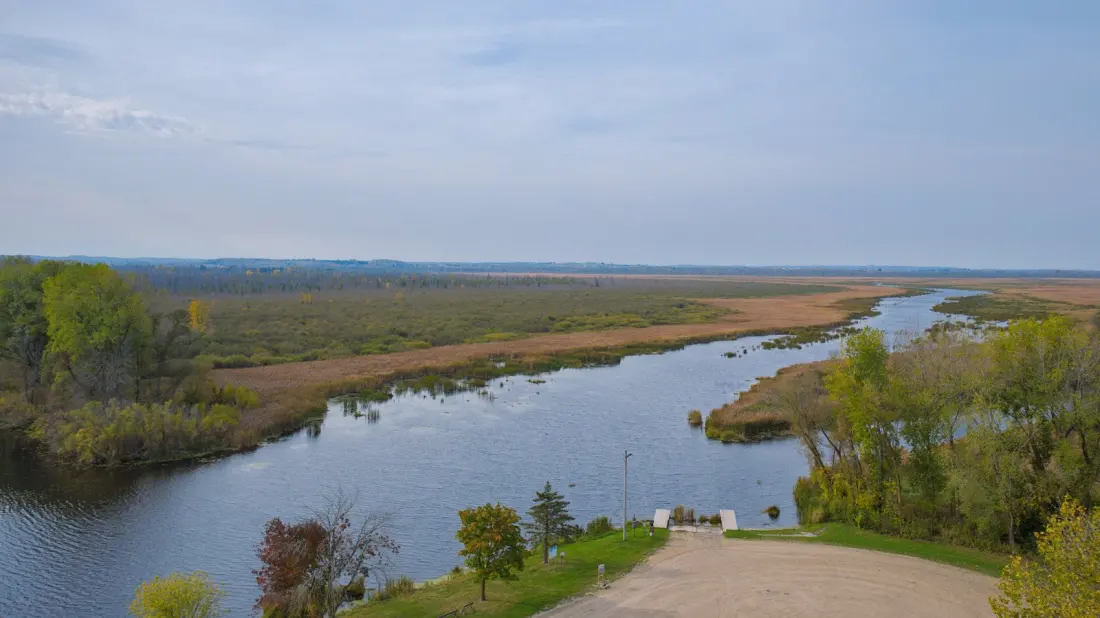
Halfway between Milwaukee and Green Bay sits a stretch of Wisconsin most road-trippers blow right past. The Sheboygan Marsh Wildlife Area covers 8,285 acres of restored wetlands, grassland and slow water managed by the state Department of Natural Resources, and it packs in a surprising amount to do: birdwatching, fishing, canoeing and a multi-level wooden observation tower with wide views over the marsh.
The wildlife is the main draw. Sandhill cranes, American bitterns, black terns, black-crowned night herons, hawks and owls are among the most commonly spotted birds, alongside grassland species like bobolinks. On land you might see white-tailed deer, wild turkey, pheasants, woodcock and rabbits. Timing matters: breeding birds occupy the open water and cattail beds in summer, while migration and winter bring different species through. There's also a 1,522-acre waterfowl refuge within the area where hunting is off-limits, giving ducks and geese a protected spot to feed and raise their young — especially valuable during migration season.
For people who'd rather be on the water than behind binoculars, more than 20 miles of the Sheboygan River and its streams run through the marsh and Sheboygan Lake. Anglers most often pull northern pike and panfish from the lake, with largemouth bass also in the mix. A boat launch makes it easy to get small craft onto the water, and canoes can be rented from the lodge at Broughton Sheboygan Marsh Park. The park itself anchors a visit, with its observation tower offering the best vantage point over the wetlands and calm water.
Hunting is allowed in parts of the wildlife area (just not the refuge), so if you're visiting in autumn, it's worth checking seasons and wearing bright clothing. Camping is available in the area too.
Why bother adding it to a Wisconsin itinerary? Location, mostly. It's an easy detour off the I-43 corridor between two bigger destinations, and it's only about 30 minutes from Sheboygan itself — a Lake Michigan town with a genuine surf scene — so you can pair a quiet morning paddling the river with an afternoon on the lakeshore. For anyone driving between Milwaukee and Door County, it's a low-effort way to break up the trip with something completely different from the usual lakefront stops.
A couple of practical notes: Midwest weather swings hard between seasons, so check the forecast and dress for it before heading onto the marsh. Bring your own binoculars and bait, keep quiet near the waterfowl refuge, and give yourself at least a half day — the marsh rewards slow travel, whether that's from a canoe or the top of the tower.
Story via Islands.