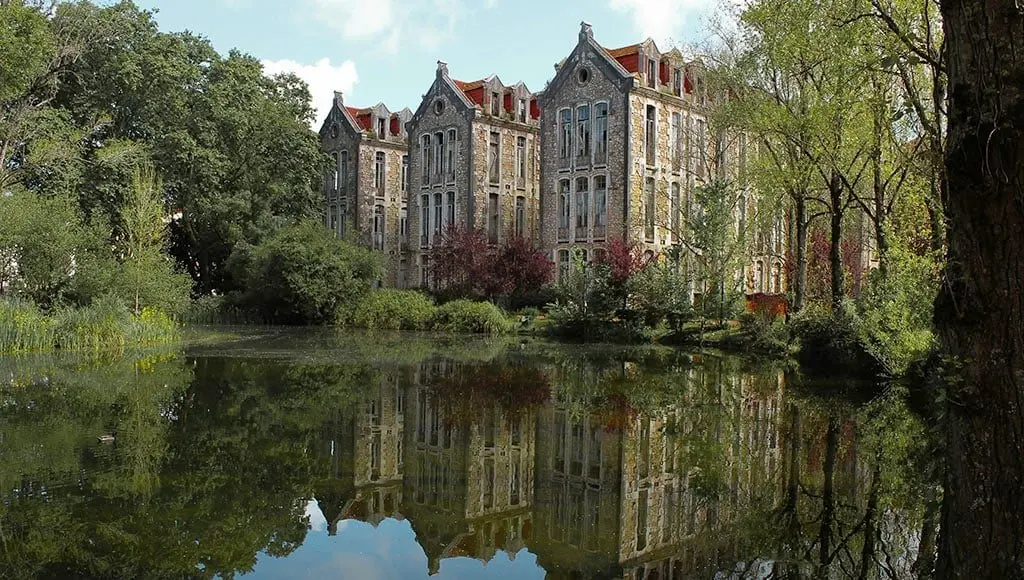
Between Peniche and Nazaré, Portugal's Oeste region sells itself easily: heavy Atlantic surf, the walled town of Óbidos with its chocolate and medieval festivals, orchards of Rocha pears and cherries around Caldas da Rainha, Alcobaça and Lourinhã, and vineyards producing some of the country's most overlooked wines. Add the Óbidos Lagoon, the dunes at Salir do Porto and day-trip-worthy Berlenga Island, and you have one of the country's most varied corners.
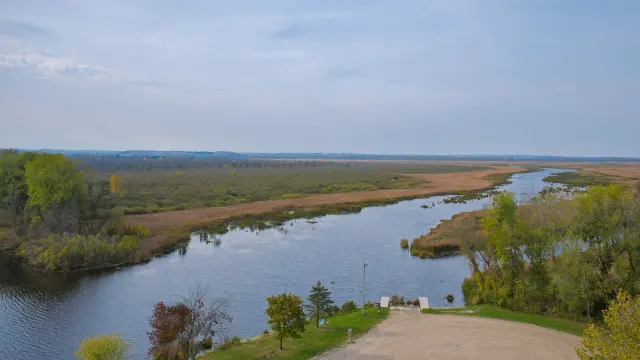
But a long-read in Portugal Resident, written by a Caldas da Rainha resident of four decades, argues the region has a fragile underside that tourist brochures never mention. Coastal cliffs and dunes are eroding faster, sea-level rise is accelerating, and last winter brought inland flooding that damaged roads and buildings. The Óbidos Lagoon is silting up, tidal patterns are shifting, and dredging offers only short-term relief. Café owners and shopkeepers near the beaches, the author notes, worry about it every single season.
The piece is really a policy argument — the author calls for a "Territorial ESG" framework that measures real outcomes rather than glossy sustainability gestures. The concrete points are worth knowing: intensive fruit and wine farming depends on healthy soil and aquifers, yet degraded soils absorb less water as droughts alternate with torrential rain. Livestock runoff pollutes the watersheds feeding the Óbidos Lagoon and the bays at São Martinho do Porto and Baleal. And the region's property boom is raising an awkward question: a villa with an ocean view is a bad investment if the cliff beneath it erodes faster than the mortgage. The author proposes hard metrics — zero-construction buffer zones on cliff tops verified by annual LiDAR mapping, minimum soil organic matter targets, water quality monitoring, and Do No Significant Harm audits for all new construction and tourism permits.
For travellers, the takeaway is mixed. Nothing here says stay away — Óbidos, Peniche, Nazaré's big-wave beach and the lagoon at Foz do Arelho remain very much open for business. But it explains visible changes you may notice: fences at cliff edges, dredging works, erosion scarps below coastal paths, and increasingly strict rules about where building can happen. If you're considering buying property in the area, the advice is blunt: look past sea views and ask hard questions about the ground itself.
Who is this for? Buyers eyeing a coastal second home, surfers and kitesurfers who know Foz do Arelho and Baleal, and anyone who loves this stretch of coast and wants to understand why it looks the way it does. The wider lesson applies across Atlantic Europe: the prettiest coastal regions are also the ones where climate pressures show up first.