The world's largest enclosed body of water is quietly disappearing, and the five countries that share its shoreline have taken their case to the global climate stage. At a side event during COP31 on 13 November, held at the Kazakhstan Pavilion in partnership with the UN Development Programme, representatives from Kazakhstan, Azerbaijan, Iran, Russia and Turkmenistan laid out plans to tackle the Caspian Sea's falling water level.
The numbers behind the concern are stark for anyone who has visited the coast. A receding sea threatens ecosystems, ports, beaches and the communities that depend on them across all five nations. Delegates called for shared scientific research, better monitoring and data-sharing, and concrete adaptation measures rather than declarations alone.
The centrepiece of the discussion was a Regional Investment Portfolio for the Caspian Region, built from priorities identified by the littoral states themselves. Kazakhstan's Ecology Minister Alibek Kuantyrov urged international donors and financial institutions to treat it as a working tool for getting projects off the ground, not just a wish list. Climate funds and development banks at the event explored financing mechanisms and technical assistance to match.
There is already legal scaffolding in place. The Tehran Convention, the regional treaty protecting the Caspian's marine environment, remains the framework for cooperation, and a new Action Plan on Sea Level Fluctuation for 2026-2036 is being drafted by its secretariat. The COP31 event builds on the declaration the same five states signed at COP29 in Baku in November 2024, plus a joint Kazakh-Turkmen proposal for an interstate water conservation programme.
Money is starting to flow, too. In May 2026, UNDP in Kazakhstan launched a $3 million project funded by Japan to modernise hydrological monitoring stations and strengthen observation systems in the Northern Caspian, while creating a platform for scientists and government officials to work together. UNDP's Rohini Kohli framed the next phase plainly: turn country priorities into fundable, implementable projects.
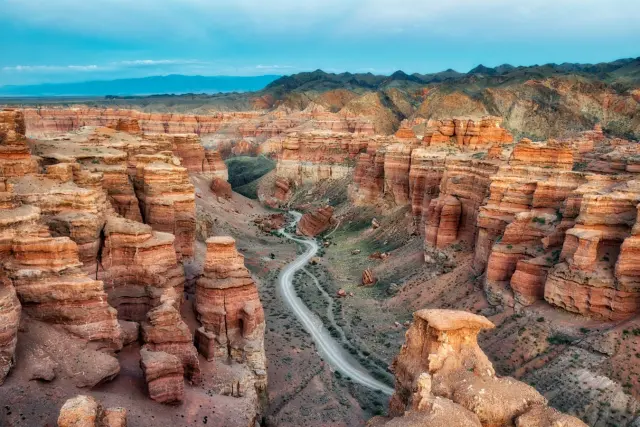
Why should travellers care? The Caspian remains one of the world's most underrated destinations, from Aktau's cliffs on the Kazakh shore to Baku's seaside boulevard and the beaches of Iran's Gilan province. If sea levels keep dropping, the coastlines, wetlands and fishing towns that make these places worth visiting will change dramatically. A coordinated rescue plan backed by international funding offers the best hope that the Caspian's unique environment, home to the endangered Caspian seal and sturgeon, survives for future visitors. For now, the region is asking the world to help fund its defence, and COP31 may have been the moment that effort gained real momentum.