Ambergris Today is reporting on tourism awards recognising Melanie Paz, a figure in the hospitality scene centred on San Pedro, the laid-back town that anchors Belize's largest island. The story is a local one, but it points at something bigger: Belize's tourism industry has grown well beyond its niche-diving roots, and the people who built the island's hotel and restaurant scene are starting to get formal credit for it.
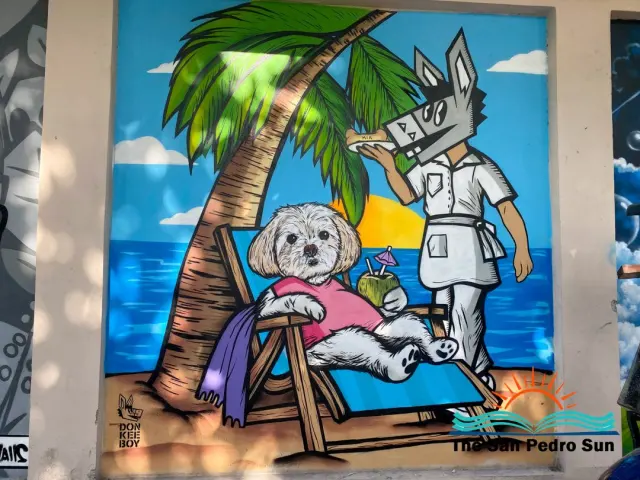
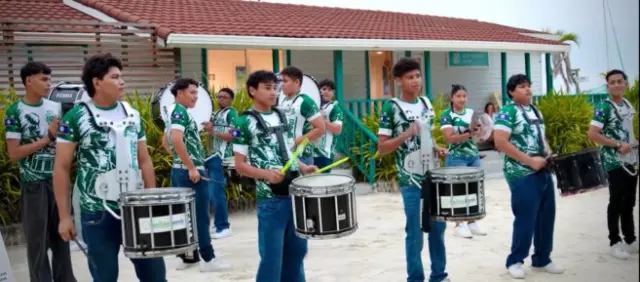
For anyone who has visited Ambergris Caye, the recognition makes sense. San Pedro runs on small, family-run businesses — dive shops, beachfront inns, golf-cart rentals, waterfront grills — rather than big international chains. Awards like these tend to celebrate exactly that kind of operator, and they're a useful signal for travellers: the island's appeal rests on personal service and locals who have spent decades learning the reef, the weather and the tides.
Ambergris Caye itself sits just off Belize's Caribbean coast, a short flight or ferry ride from Belize City. It remains the country's most popular base for travellers, largely because of its position next to the Belize Barrier Reef, the second-largest in the world. Hol Chan Marine Reserve and Shark Ray Alley are short boat rides away, and the island's western lagoon side offers manatee and crocodile spotting for days when you'd rather not get wet.
The broader takeaway for holidaymakers is that Belize is maturing as a destination without losing its scale. English is the official language, the currency is pegged to the US dollar, and the country is small enough to combine reef time on Ambergris with jungle lodges, Mayan sites like Xunantunich, or a detour inland to the Cave Branch river caves — all within a single one-to-two-week trip.
If the awards story prompts a visit, go with an open itinerary. The best moments on Ambergris tend to be unplanned: a sunset golf-cart run down the beach road, a fresh ceviche stop, or a last-minute snorkel trip with a captain who knows where the turtles are feeding that week. Local recognition stories like this one are a reminder that the island's product is its people as much as its coral.