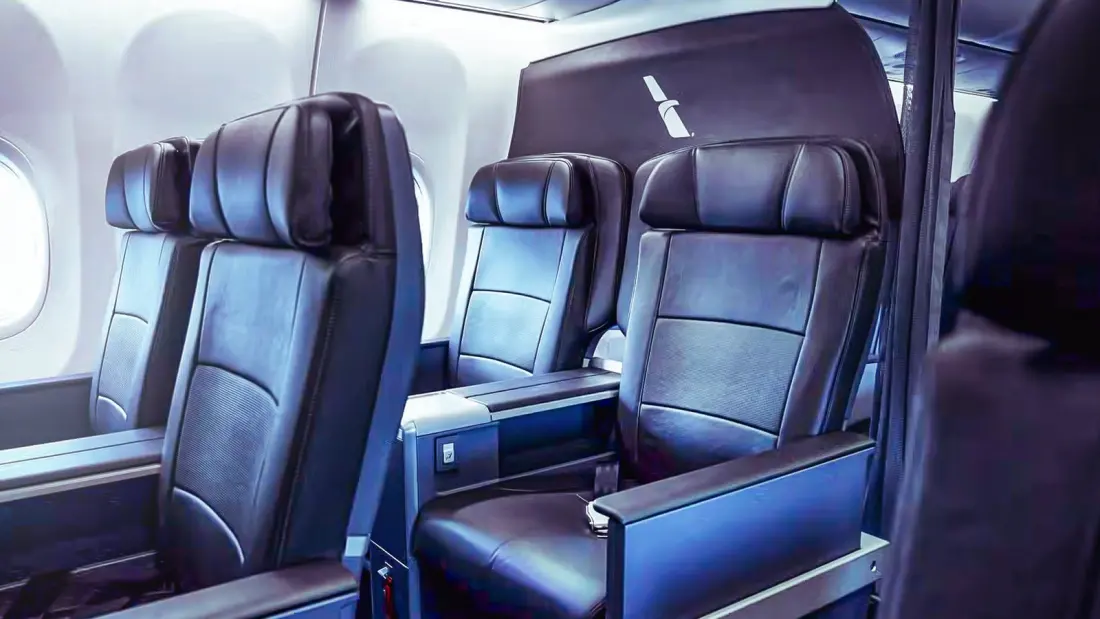
Back in 2017, American Airlines bet big on the idea that passengers would rather watch movies on their own phones than on a seatback screen. The airline stripped entertainment displays out of its new Boeing 737 MAX deliveries, then extended the policy to the A321neo, and even began ripping screens out of existing 737-800s and A321s, replacing them with simple device holders. The logic seemed sound at the time: American argued that over 90% of passengers already carried a device, and that maintaining screens across a fleet of more than 900 aircraft would cost millions in installation, upkeep and fuel-burning extra weight.
The trouble was that the bring-your-own-device plan never really worked as promised. Passengers with older phones, drained batteries, missing cables or no device at all were simply left with nothing to watch — a real problem on coast-to-coast routes that can run past six hours. Families had to pack multiple tablets. And the inconsistency was glaring: you could fly a 787-9 with 4K screens at every seat, then connect onto a 737 with no screen even in first class.
Meanwhile, Delta kept screens across its fleet and United, after briefly flirting with the same idea, reversed course in 2021 with its United Next strategy — fitting new narrowbodies with up to 13-inch 4K OLED displays in economy and 27-inch screens in Polaris, plus free Starlink Wi-Fi fleetwide.
Nine years on, American has conceded defeat. In August, it announced that 4K seatback displays with Bluetooth audio, USB-C fast charging and personalised AAdvantage-linked recommendations will go in at every seat across more than 800 mainline single-aisle aircraft — the 737s, A321s, A320s and A319s it had only just finished stripping screens from this summer. The catch: deliveries with the new screens and retrofits only start in 2028, with the full rollout stretching into the early 2030s. Travellers will face a mixed fleet for years, so whether you get a screen still depends on which aircraft your route is assigned.
The entertainment U-turn is part of a wider push. American is lifting premium and Main Cabin Extra seating from roughly 25% to 40% of narrowbody capacity, adding legroom of 33 inches, and it launched free domestic Wi-Fi in January before committing to Starlink across its entire mainline fleet of over 1,000 aircraft.
For travellers, the practical takeaway is that the gap between the big three US carriers is narrowing — but on American's domestic network, the upgrades remain a promise dated 2028 and beyond. If seatback entertainment matters on a long domestic hop, Delta and United currently deliver it more consistently; American passengers should check the aircraft type before counting on a screen.