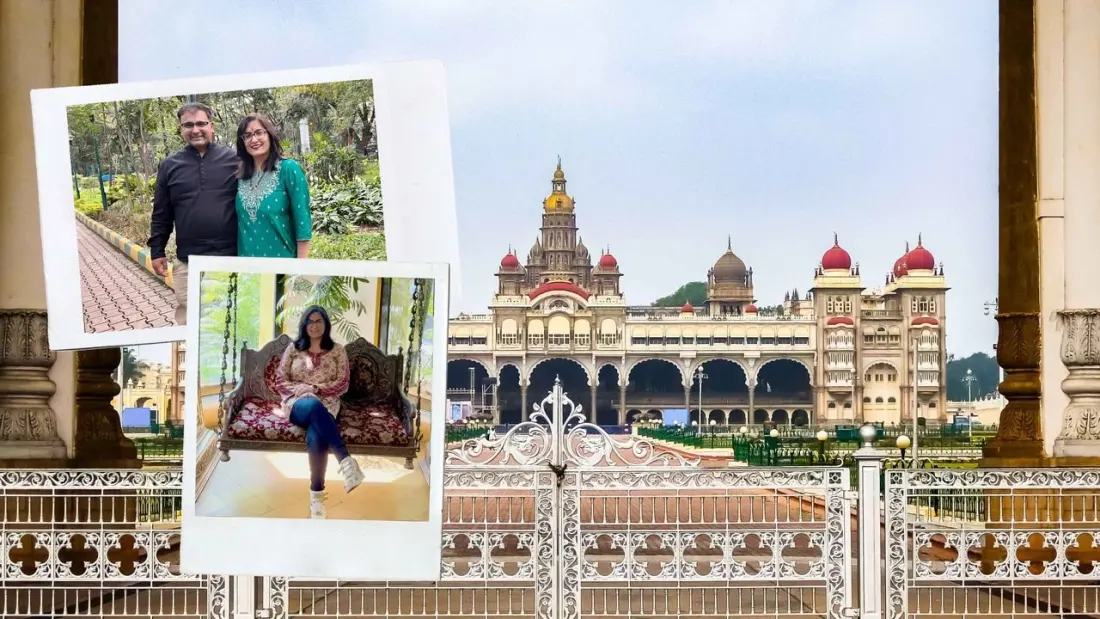
Tina Aswani-Omprakash hadn't set foot in India since 2000. On that teenage trip, a day outing to the Taj Mahal ended with bad street food that left her 20 pounds lighter and seriously ill — an early sign of the inflammatory bowel disease that would dominate the next two decades of her life.
In late 2024, at 43, she finally went back. It wasn't a casual decision. She has Crohn's disease, has been through more than 20 surgeries, and had a permanent ileostomy created in 2011. Her father died at a young age from Crohn's that turned into colorectal cancer. She'd spent years in and out of disability leave from a Wall Street compliance job, and had also faced a family community that distrusted Western medicine — her relatives had come through the 1947 partition as refugees from Pakistan — along with worries about how a diagnosis might affect her sibling's marriage prospects.
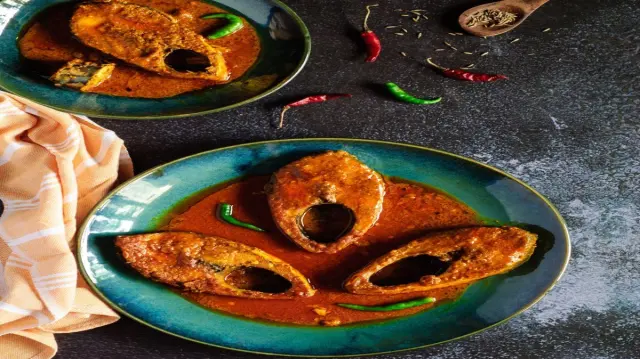
The homecoming, organised with her husband, brother-in-law and colleagues, included a tuk-tuk ride up Chamundi Hills to the Chamundeshwari Temple near Mysuru, meetings with relatives she'd never met, and — the big one — eating Indian food again without fear. Preparation made it possible: her doctors ran an intestinal ultrasound and other tests before departure and supplied antibiotics, steroids and probiotics in case of a flare or traveller's diarrhoea. She and her husband booked a hotel (over relatives' objections) for reliable filtered water and a private bathroom, skipped street vendors, and ate only hot foods. Even so, she found workarounds: at Mysuru's MTR restaurant, a plain dosa stuffed with potatoes turned out to be an IBD-friendly way to enjoy South Indian food without the spicy lentil soup that can trigger symptoms.
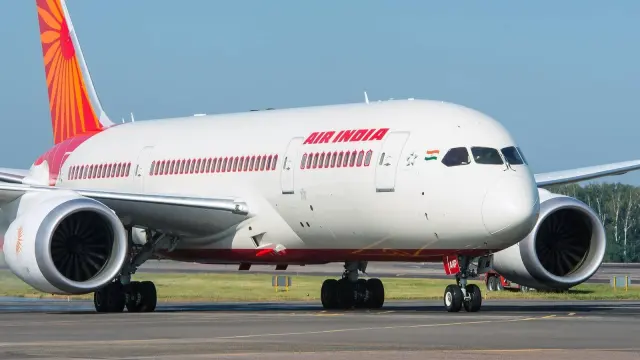
She'd already travelled closer to home — trips around the US and Europe since her diagnosis — but the long-haul flight and trigger-heavy cuisine of India felt like a different order of fear. Getting through the trip without getting sick, she says, showed her that fear is largely a mindset, and that travel helped her feel alive after years of just surviving.
She's now co-founder of the Strategic Alliance for Intercultural Advocacy in GI, a nonprofit offering culturally sensitive resources for patients with gastrointestinal conditions, caregivers and clinicians.
Why it matters: this is a useful read for anyone travelling with a chronic illness — Crohn's, colitis, or anything else that makes the idea of a long flight or unfamiliar food feel daunting. The playbook here is transferable anywhere: get medically cleared, carry a tailored emergency med kit, choose accommodation that guarantees safe water and a private bathroom, and learn which local dishes can be adapted to suit your triggers. Aswani-Omprakash's advice is to start small — closer trips first — and build up. Her story appeared as a first-person account told to health writer Katie Camero for Condé Nast Traveler.