Mexico's Federal Electricity Commission (CFE) has shown Playa del Carmen's city council its preliminary plans for a new underwater transmission cable linking the mainland to Cozumel, with completion targeted for February 2028.
The project, officially called the Playacar-Chankanaab Transmission Line, does two jobs at once. It strengthens Cozumel's electricity supply — currently dependent on a fragile connection across the Caribbean channel — and upgrades Playa del Carmen's own grid, which officials hope will cut down on the power cuts that occasionally annoy residents and hotel guests alike.
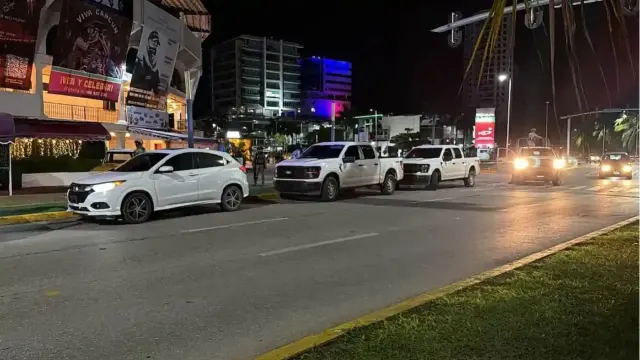
Edgar Zapata, Playa del Carmen's undersecretary of infrastructure and public works, confirmed the first briefing with CFE took place on a Thursday at city hall. The proposed route runs along the federal right-of-way of the high-voltage lines that parallel Playa del Carmen Boulevard, then follows Colosio Avenue before turning toward Playa 88 in the town centre. Officials say the priority is keeping traffic moving while crews dig through one of the busiest stretches of the city.
The price tag is substantial: 3.6 billion pesos. Quintana Roo governor Mara Lezama announced in September that the contract had been awarded, with construction due to start on 5 October 2026. So the timeline looks like this — roughly two years of visible work along boulevards in central Playa del Carmen, then a finished cable by early 2028.
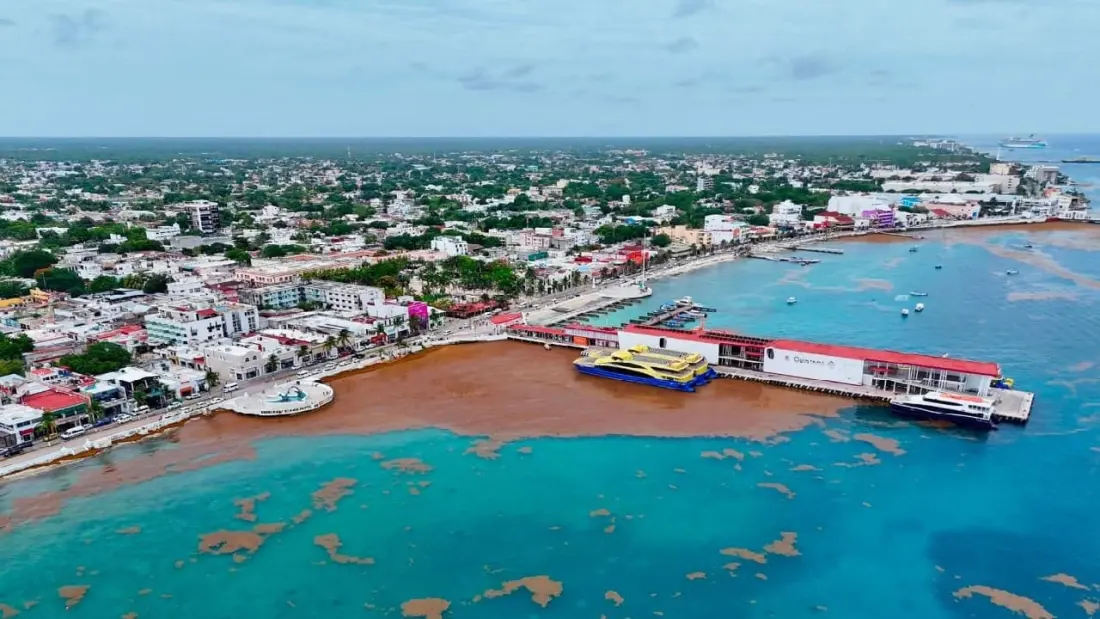
For travellers, this is mostly background noise, but worth knowing if you're planning a trip. Playa del Carmen's Fifth Avenue and beach zone draw millions of visitors a year, and the island of Cozumel is one of the world's top cruise ports and a renowned diving hub thanks to its reef system. Reliable power matters for hotels, dive operators, restaurants and everything else that keeps those destinations running. Anyone who has visited during a grid failure knows how quickly it disrupts a beach holiday.
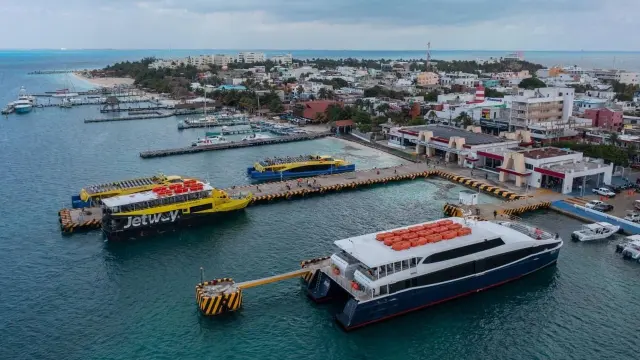
There is a short-term side effect: roadwork along Playa del Carmen Boulevard and Colosio Avenue could mean detours or congestion through 2027. If you're heading to the Riviera Maya in that window, build in a little extra time for transfers between Cancún airport, your hotel and the Playa del Carmen ferry terminal. The Cozumel ferry itself will be unaffected — the work is on the seabed and streets, not the passenger route.
The bigger story for holidaymakers is what happens after February 2028: a more dependable power supply for both sides of the channel, fewer blackouts during hurricane season, and infrastructure that can keep pace with the region's relentless growth in hotel rooms and cruise arrivals.