
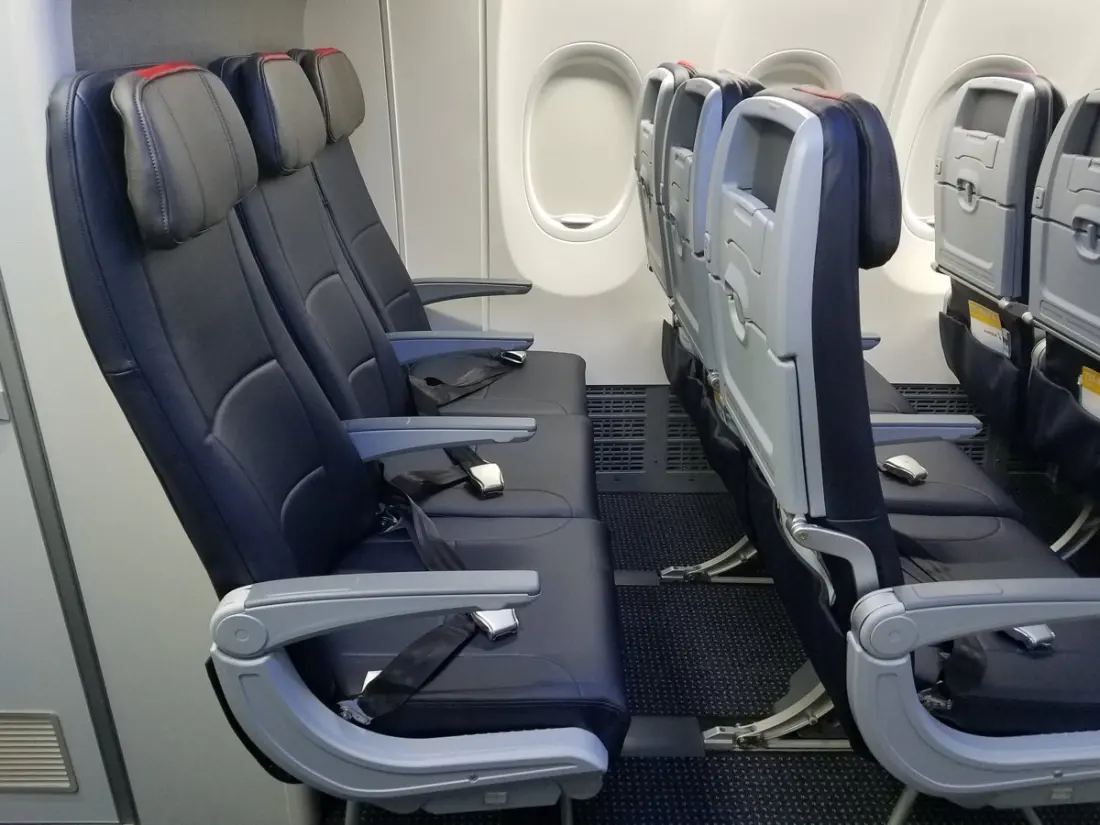
American Airlines has admitted something unusual for a big carrier: it sells too much Basic Economy. Speaking at the Morgan Stanley Laguna conference, CEO Robert Isom said the airline's 30% of seats now generate half its revenue — and that the fix lies in pushing customers up the fare ladder rather than chasing the bottom with ultra-low-cost rivals like Spirit and Frontier.
The changes are already rolling out. Basic Economy tickets bought from December 17, 2025 no longer earn AAdvantage miles or Loyalty Points, and from May 18, 2026 elites lose their seat selections and upgrades when buying the cheapest fare. Regular Main Cabin keeps those benefits. The logic: status holders shouldn't be treated purely by the fare they bought today — the person who earns their status on business trips is also the family traveller hunting a deal on the weekend.
At the same time, American is filling the gap between cheap coach and first class. Main Cabin Extra — extra legroom, earlier boarding, dedicated bin space and a free drink — is being expanded across most of the narrowbody fleet. Premium seating on narrowbodies should grow from about 25% today to roughly 40% by the end of the decade, with an extra first class row on A319s and A320s, 24 first class seats on the 737 MAX 10, and roomier A321neo configurations. Delta and United have run this play for years: most people won't buy first class, but plenty will pay a bit more for a better seat if you offer one.
Isom says buy-ups have already improved by five percentage points since the Basic Economy changes, and customer perception scores are ticking up. Still, he concedes the airline is early: seatback screens will take years, Starlink WiFi won't cover a big share of the fleet for over a year, and reliability needs work. The risk is that an economic downturn stalls the investment before it pays off.
Why should holiday flyers care? Because booking with American is changing shape. The cheapest fare is deliberately less attractive — no miles, no elite perks — so it's worth comparing the price difference against Main Cabin before clicking buy, especially if you hold status or want to keep earning points. Families should also note that Main Cabin Extra availability has historically been tight, and kids can't sit in exit rows, so better seats may still be scarce on popular routes. Expect more options in that middle tier over the next few years — and expect to be nudged toward them at checkout.
For American, this is about closing the margin gap with Delta and United by selling seats people actively want rather than racing to the lowest fare. For travellers, it means the days of cheap-but-featureless basic fares quietly eroding are ending — the trade-off is now explicit, and the middle of the cabin is finally getting some attention.