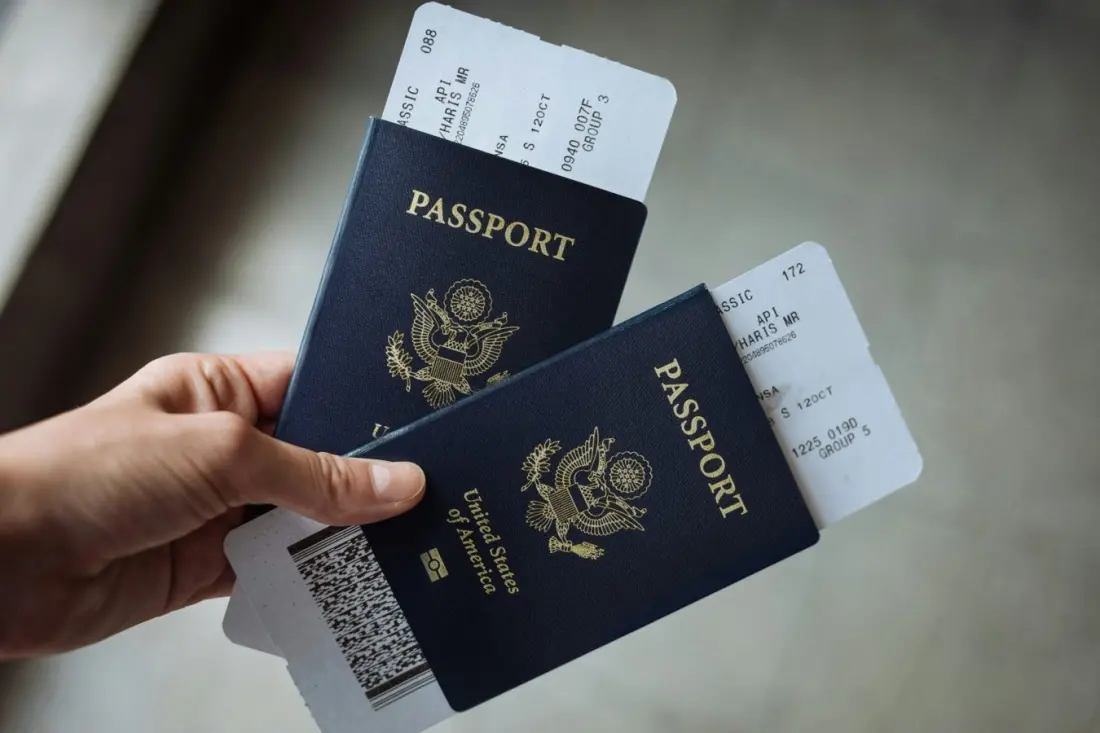
The US passport is getting another makeover — and this time the bigger change might be how you apply for it. Announced by Secretary of State Marco Rubio at the America.gov event in late September, the refreshed document is due in 2028, just seven years after the last redesign landed in 2021.
The application process is the headline news for most citizens. Under the new scheme, everything moves online through login.gov, the government's single sign-in service. Applicants will upload a photo taken themselves, pay securely, and track their application status in real time. As Rubio put it, no printing forms, no awkward drugstore passport photo, no appointment, no queue and no middleman. That matters more than it sounds: roughly 17.7 million Americans live outside metropolitan areas without easy access to a federal or regional office, so an end-to-end home application removes a genuine barrier.
The passport itself gets a distinctly patriotic restyle. The Great Seal on the cover becomes more gold, the bald eagle takes centre stage as an emblem of American strength and freedom, and "United States of America" gets larger billing. Inside, the pages chart moments from US history — westward migration, the American Revolution, the Battle of Iwo Jima and NASA's Artemis missions. The fun detail: flip through the pages quickly and the artwork creates a flipbook-style animation of an eagle in flight.
For the travel industry, the digital shift could quietly boost business. Easier applications and transparent tracking should mean more Americans hold valid passports, fewer bookings lost to document delays, and less time spent by airlines, tour operators and advisers untangling paperwork questions. Advisers will still need to remind clients about passport validity rules and destination entry requirements, though, and the whole thing hinges on a smooth rollout, solid data protection and offline options for those who can't easily use the online system.
Travellers don't need to act yet — the current passport remains valid until expiry, and the new version is still a few years out. But if your document expires in 2027, it's worth deciding whether to renew early on the old process or wait for the fully digital route.