A plan to link seven countries by train along the Adriatic has formally kicked off, with officials signing an initiative in Zagreb to create a new Adriatic-Ionian railway corridor. The idea: a continuous rail route running through Italy, Slovenia, Croatia, Bosnia and Herzegovina, Montenegro, Albania and Greece — from the Italian network all the way down towards Athens.
For Croatia, the corridor would be the backbone of the scheme. It would thread together the country's main Adriatic ports and cities — Rijeka, Zadar, Šibenik, Split and Ploče — and plug them far more firmly into the wider European rail network. Croatian officials are framing it as a strategic project for both passengers and freight, given how busy the Adriatic ports are in regional logistics, and HŽ Infrastructure argues it would also improve connections between different parts of Croatia itself.
There's a geopolitical angle too: the line would tie EU member states to candidate countries in the Balkans, giving southeastern Europe a stronger transport spine. Supporters want the corridor recognised in the EU's next round of long-term transport priorities, which could unlock access to future EU funding. A major conference on the initiative is expected in Brussels next year.
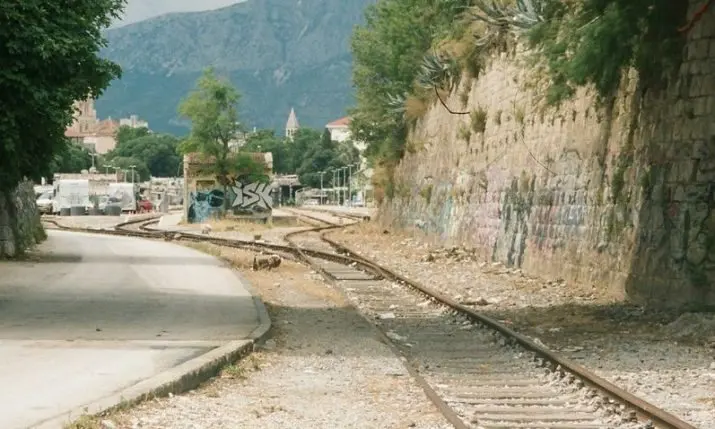
Before anyone packs a rail pass, though, keep expectations in check. This is a signed intention, not a shovel-ready railway. Extensive studies, planning, financing deals and construction decisions all still stand between the proposal and a working line, and Croatian authorities have flagged that many existing sections would need upgrading before new ones could be built. Realistically, this is a decade-scale project, not a next-summer one.
Still, the tourism upside is obvious. Today, travelling the eastern Adriatic coast largely means buses, ferries and cars — a lovely way to hop between Dubrovnik, Split and Zadar, but a frustrating one if you want to continue overland into Montenegro or Albania by train. A functioning coastal rail corridor would let travellers string together Venice, Trieste, Rijeka, Split and beyond without a single airport security queue, and open up inland Balkan cities that are currently awkward to reach by rail. It would also suit a growing crowd of travellers choosing train over plane for shorter European trips.
For now, treat it as a reason to keep an eye on Balkan rail news — and a reminder that the Adriatic coast is slowly getting better connected, even if the grand Venice-to-Athens route remains a paper plan for the time being.