The United States welcomed more than 4 million fewer foreign visitors in 2025 than the year before, according to the country's National Travel and Tourism Office, and the slump has carried on into 2026. Overseas arrivals – everyone except Canadians and Mexicans – were down 5.7 per cent year on year at the end of September.
The numbers matter because 2025 was the first year since Covid that arrivals fell, dropping from over 72 million international visitors to just over 68 million. Foreign tourist spending fell by more than $8 billion (around £5.95bn) too. Even with a global audience arriving for the Fifa World Cup in June 2026, arrivals only managed a 2.7 per cent bump over June 2025, hitting 5.4 million – and by the end of September, overseas visits were down again. Western Europe, the US's biggest overseas market, is down 8.7 per cent for the year so far, with British travellers accounting for 352,084 of the 2.7 million September arrivals.
The World Cup was meant to be the rescue story. Early forecasts from the tourism office expected total international arrivals to climb 3.2 per cent to 70.5 million in 2026, partly thanks to the tournament. Instead, the post-football months suggest any lift was short-lived. The US still hasn't recovered to its pre-pandemic peak of more than 79 million annual visitors.
Industry voices are getting blunt about the cause. The World Travel & Tourism Council, which still ranks America as the world's largest travel and tourism market, warned in April that the country sits "at a crossroads" – and its chief executive Gloria Guevara has urged the US to invest in promotion abroad, work on its reputation as a welcoming destination, and encourage visitors to spend more and stay longer.
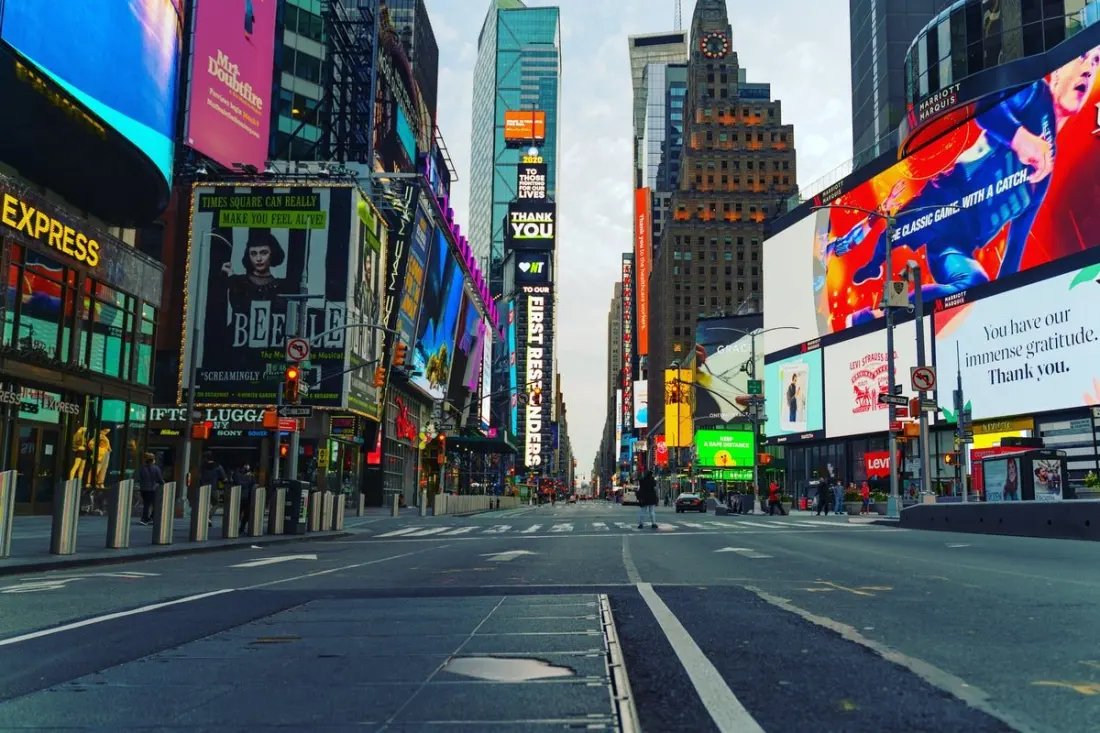
For travellers, there's a practical flip side. Fewer crowds at the big-ticket sights, softer demand for hotels in some cities and a country actively trying to win visitors back could mean a good moment to plan that long-postponed American trip – national parks, New York, the California coast, all with thinner queues than in peak years. The caveat is the one the industry itself flags: entry and visa friction remains the thing most likely to put people off, so checking the latest requirements before booking is worth the ten minutes.