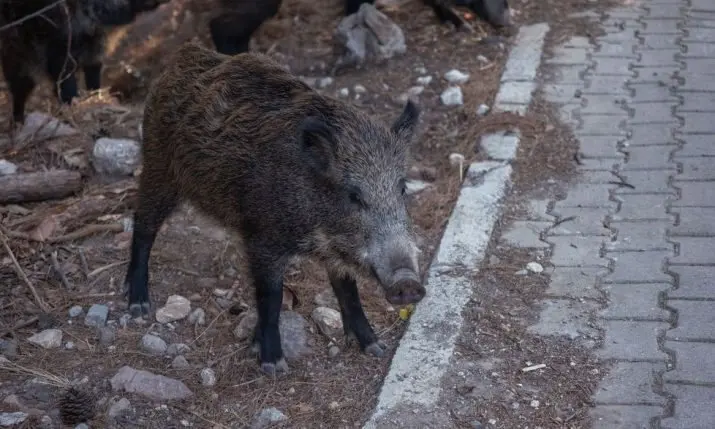
Zagreb has a growing wild boar problem — and the city's answer is a fleet of mobile traps. Drone footage has identified around 70 animals moving through the Croatian capital, prompting authorities to install six relocateable traps in residential neighbourhoods.
The sightings are concentrated near Medvednica mountain and along the Sava River, where boars have been spotted rifling through rubbish bins, wandering into gardens and orchards, and generally treating leafy suburbs as an extension of their forest habitat. Rather than hunting — which happens in the surrounding woodland but is too dangerous in built-up areas — the city is working with the University of Zagreb's Faculty of Veterinary Medicine and Zagreb Zoo on a monitoring-based approach.
Any boar caught in the traps will be checked for parasites and bacteria and fitted with a tracking chip. The idea is to map the routes the animals use into the city and work out what is drawing them in — most likely easy food in the form of accessible rubbish, fruit trees and gardens. Whether tweaking food availability or access to green spaces can redirect them back to Medvednica will depend on what the tracking data shows, and whether the programme works at all will determine if further measures follow.
So far there have been no reported attacks on people, but experts caution that boars can be dangerous to pets. Residents are being told to keep dogs on leads and give the animals a wide berth.
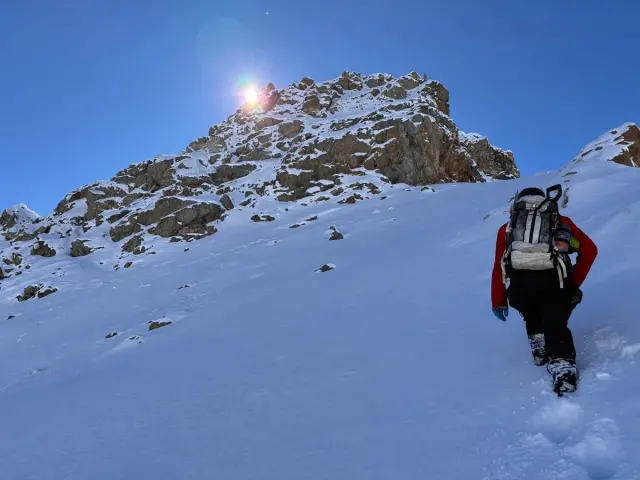
For visitors, this is less a reason to worry than a curious subplot to a city trip. Zagreb is one of Europe's greener capitals, with Medvednica's forests sitting right on its northern edge, so wildlife wandering down into town is a side effect of that proximity. If you're renting an apartment near the mountain or walking your dog on the trails above the city, it's sensible to skip leaving rubbish out overnight and keep pets leashed, just as locals are being advised. An early hike on Mt Medvednica remains one of the best things to do in Zagreb — you're simply more likely these days to share it with its most famous residents.
Zagreb is also a useful case study in a wider European trend: as cities expand and urban green space grows, encounters between people and large wild mammals are becoming routine from Berlin to Barcelona. Cities are having to get inventive, and Zagreb's trap-and-track scheme is one of the more measured responses — no culling on the streets, just data collection and relocation.
Bottom line for travellers: boar sightings make good stories, not good reasons to change plans. Keep your distance if you spot one, don't leave food waste accessible, and enjoy the fact that Croatia's capital has wilderness close enough to wander into the suburbs.