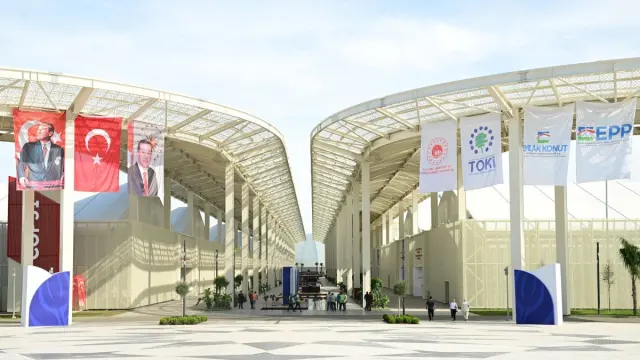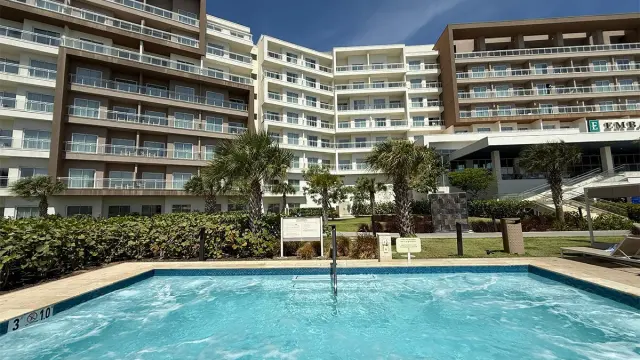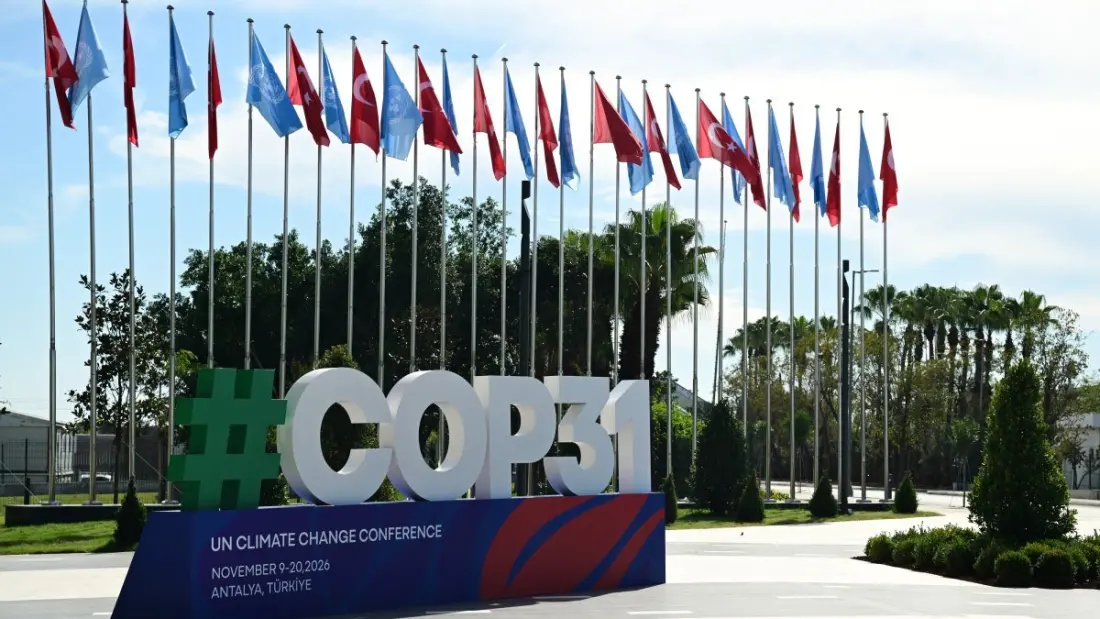
Antalya, the Mediterranean resort city better known for its beaches and all-inclusive hotels, is about to take on a very different role: hosting the COP31 UN climate conference next month under Türkiye's presidency.
The headline initiative attached to the summit is the "35 by 35" pledge — a push to get countries to commit to raising electricity's share of global final energy consumption from today's 23% to 35% by 2035. It was unveiled in September by COP31 President-Designate Murat Kurum during New York Climate Week, and IEA chief Fatih Birol says many countries are already ready to sign on in Antalya. If dozens or hundreds do, he argues, it would send a powerful signal to global markets and investors.
Why electricity, and why now? Birol points out that electricity demand is growing three times faster than overall energy demand, driven by three forces: the huge power appetite of AI data centres, the rapid shift to electric vehicles (EVs were just 5% of global car sales five years ago — now 32%), and surging air conditioning use as temperatures climb. He has been talking about the "age of electricity" for a couple of years, and the numbers keep backing him up.
The plan isn't just symbolic. Türkiye and Australia are expected to task the IEA with annual monitoring, with the agency publicly reporting each year on which countries are hitting the target and which need help. Birol, who has discussed the pledge with both President Erdoğan and Australian PM Anthony Albanese, also flags the real bottleneck: grids. The hardest part of the transition, he says, isn't building power plants — it's delivering the power to homes and factories, and there's currently a worldwide grid problem.
For travellers, the takeaway is twofold. First, if you're headed to Antalya around the conference dates, expect tightened security, road closures and packed hotels as world leaders and delegations descend on the city — worth factoring into any plans. Second, Birol's prediction that Antalya will be remembered for this goal suggests the city's international profile is set to grow beyond tourism, which could mean better connections and infrastructure investment in the years ahead. A resort city becoming the backdrop for a landmark climate declaration is an unusual pairing, and one that may reshape how people think about Turkey's Mediterranean coast.