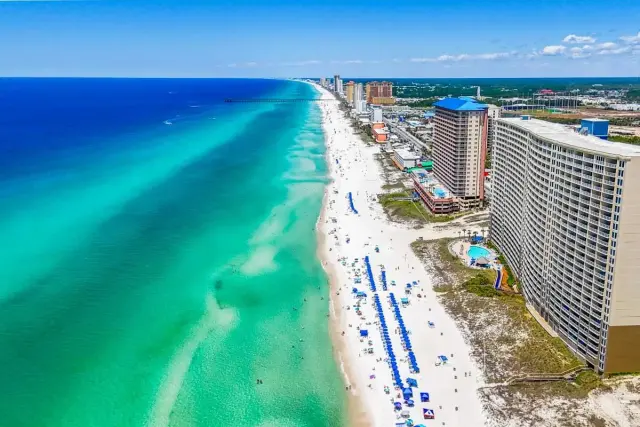
A hotel sign or an unshielded porch light can be enough to derail a sea turtle's entire life cycle. On Costa Rica's Pacific coast, marine biologists say the glow from beachfront development is now keeping turtles off the very beaches where they were born.
The mechanics are simple and a little heartbreaking. Hatchlings find the ocean by crawling toward the brightest horizon, which on a dark beach is the night sky over the water. Artificial light from hotels, homes and streets outshines that natural cue and pulls the babies inland, where some end up stranded on roads or private property. The damage starts earlier, too: according to NOAA, bright lighting can stop adult females from even coming ashore to lay eggs.
Daniel Arauz, a marine biologist with the Rescue Center for Endangered Marine Species (CREMA), says shoreline construction has visibly reduced nesting at Pacific beaches like Tamarindo and Santa Teresa. His evidence is field observation rather than a long-term nest count, and other factors may contribute, but the pattern fits a known behaviour: turtles return to nest near where they hatched, and if a beach is lit or noisy, a female reads the light as a threat, turns around and finds a quieter stretch of sand instead.
Hard data from the Caribbean backs this up. A Duke University analysis of Tortuguero found fewer green turtles coming ashore along the brightest stretches near the village. In response, the Costa Rican Electricity Institute installed 71 red-light lamps there in March 2023, and it worked: a study of hatchlings found 15% crawled toward artificial white light, versus 5% under red light. Red wavelengths, it turns out, barely register to turtles.
There's a wider ecological cost. Turtle eggs and hatchlings feed birds, crabs and other beach creatures, and research in Florida and South Africa shows dune plants absorb nutrients from eggs. Fewer nests could ripple through the whole coastal food chain.
For travellers, this is where it gets actionable. The fixes are mundane: shield lights, point them away from the beach, skip large illuminated signs facing the sea, and keep night-time noise down. Some Costa Rican towns dimmed their lights for turtles as long as two decades ago, so the playbook exists.
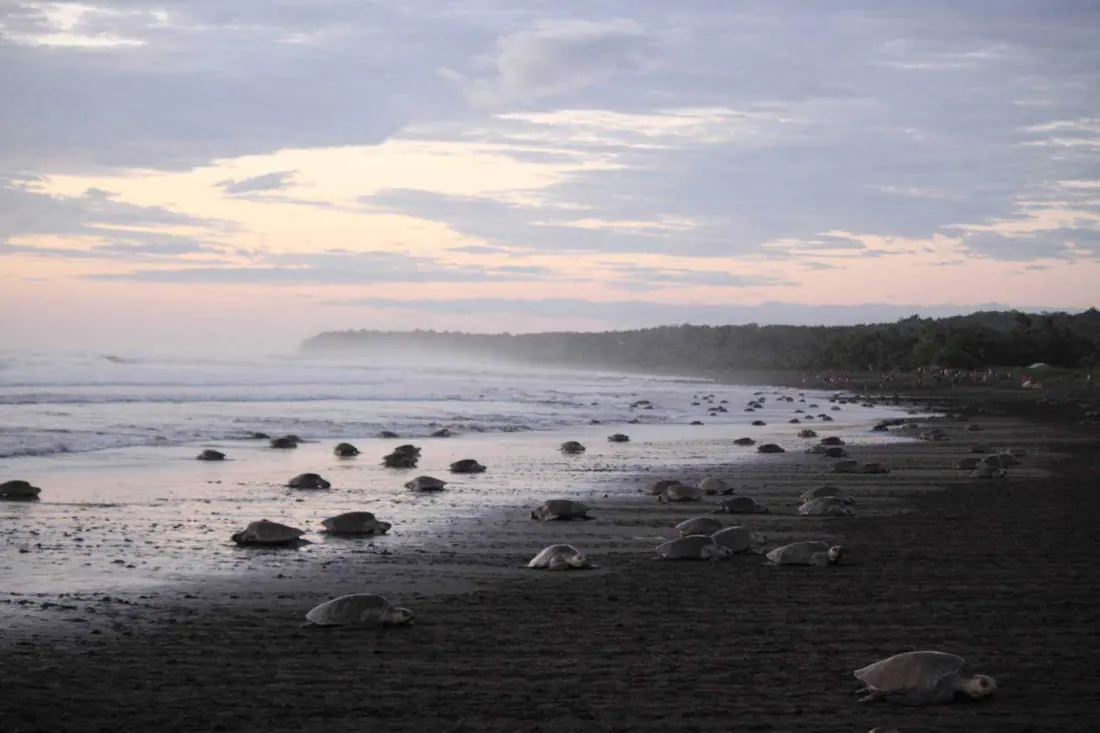
Responsible turtle tourism is part of the deal too. At Ostional on the Pacific, home of the mass nesting spectacles called arribadas, crowds have previously crowded out nesting turtles. Going with a licensed guide, keeping distance, skipping flash photography and following dark-beach rules makes the difference between watching a miracle and ruining one. Nesting runs along both coasts for much of the year — olive ridley arribadas on the Pacific, leatherbacks on Caribbean beaches each spring — so there's almost always a season worth planning around.
As Costa Rica's coastline fills up with hotels and holiday homes, the fate of its turtles may hinge on something as unglamorous as a lightbulb choice. If you're booking a beachfront stay, it's worth asking whether the property is turtle-friendly before you check in.