A group of men attacked transgender women with sticks and stones in Palermo, one of Buenos Aires' most-visited barrios, on November 1, injuring at least six people. The attackers filmed the assault and posted it on social media with taunting captions, which turned a local incident into a national scandal days before the city's Pride Parade.
The numbers behind the outrage are stark. Argentina's National Observatory of LGBT+ Hate Crimes documented 227 hate crimes against LGBTQ+ people in 2025, up from 140 the year before — a 62% jump. Transgender women accounted for nearly 63% of cases. Amnesty International Argentina separately recorded a 70% rise in anti-LGBTQ+ hate crimes in the first half of 2025 versus the same period in 2024. Activist Gabriela Ivy told Argentina Reports the Palermo victims had been targeted by the same group of young men before, and that the attack fits a wider pattern rather than standing alone.
Rights advocates are also pointing at the political climate. President Javier Milei drew criticism for telling the Davos forum in 2025 that gender ideology in its extreme forms amounted to child abuse and calling proponents pedophiles. His government closed INADI, the national anti-discrimination institute, in 2024, and in 2025 restricted gender-affirming care for minors. Andrea Baldwin, a researcher with ILGA World, argues that dismantling monitoring and reporting mechanisms makes it harder to track violence and hold perpetrators accountable — and that celebrating attacks online normalises the idea that some people have less right to occupy public space safely.
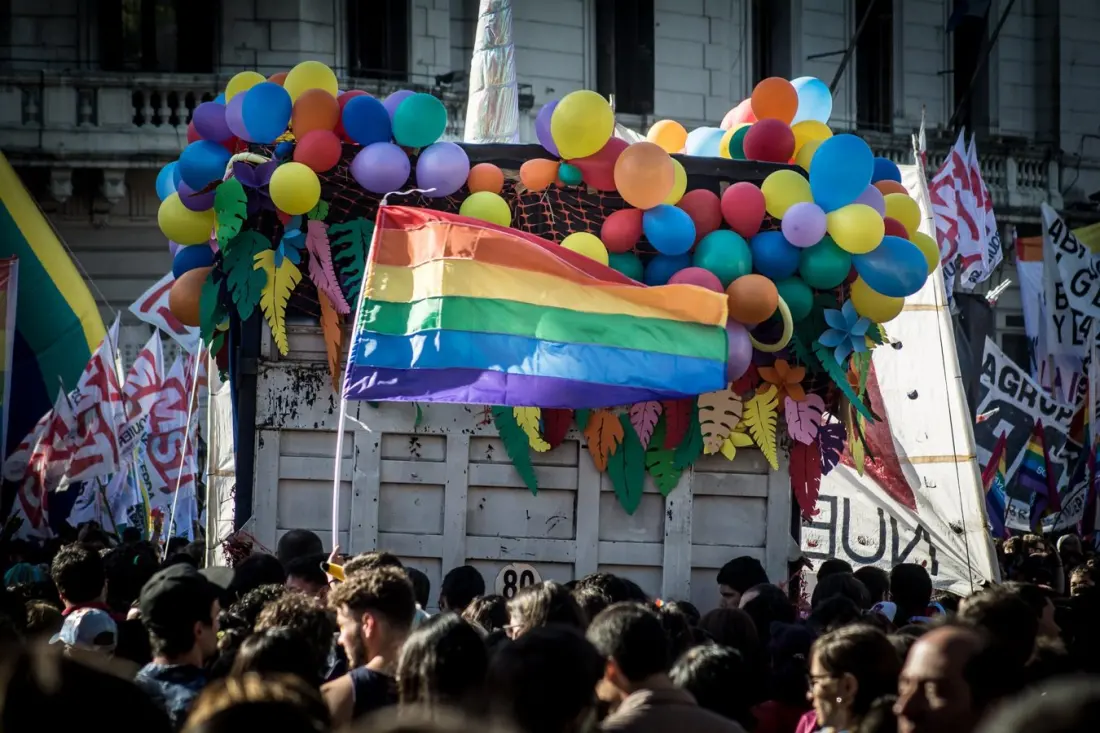
For travellers, the story matters because Argentina has long been marketed as one of South America's most progressive destinations: it legalised same-sex marriage in 2010 and has strong gender-identity laws on paper. Buenos Aires hosts one of the region's biggest Pride celebrations, and LGBTQ+ visitors, especially trans travellers, will want to read the room. Neighbourhoods like Palermo remain lively, welcoming areas by day and night, but advocates say street harassment and group attacks are a growing risk, and that institutional avenues for reporting discrimination have thinned out. The practical takeaway: keep the usual big-city precautions, know that local LGBTQ+ organisations remain active and can advise, and be aware the Pride parade this year carries extra weight as a demonstration about who gets to feel safe in public.
Activists are calling for stronger justice-system responses, better employment access for trans people and restored anti-discrimination institutions. Baldwin frames the Pride march itself as part of the answer — reclaiming public space against the idea that LGBTQ+ people should be invisible. Visitors planning a trip around the parade will find a city arguing openly about its own values, which is worth knowing before you go.