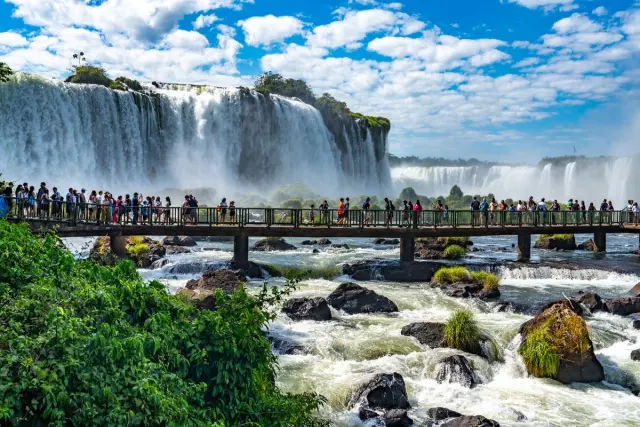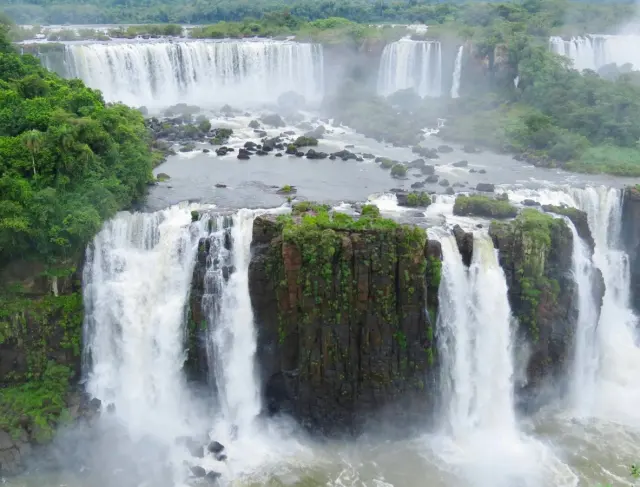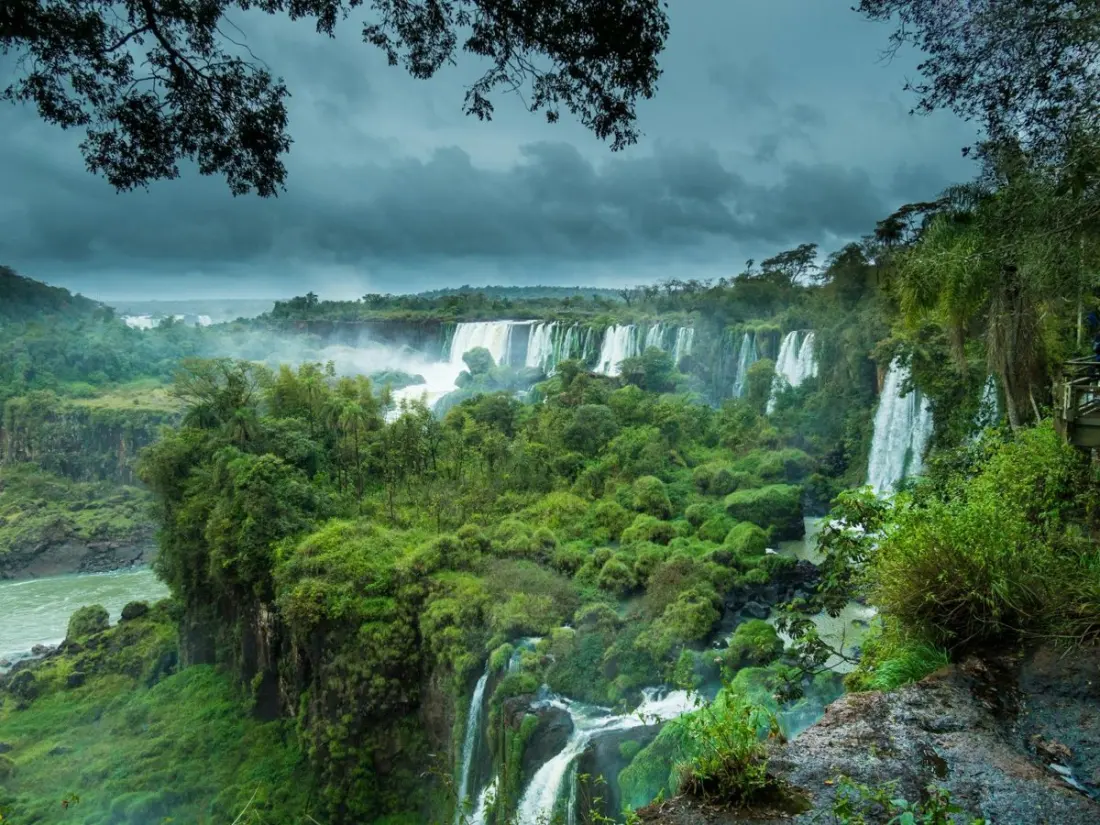
Iguazu Falls is roaring at a volume few visitors will ever witness — and that spectacle comes with a catch. Torrential rain linked to El Niño has pushed the Iguazu River past 12,000 cubic metres per second, more than six times its historical average, forcing Argentine park authorities to shut the waterfall circuits for the second time in three days.
The restrictions first came into force on Monday, 12 October, when flow levels breached safety thresholds. A brief reopening followed on Tuesday, but water volumes climbed again that afternoon, prompting renewed closures for Wednesday, 14 October. The Upper and Lower circuits — the walkways that carry visitors towards the falls — are the main casualties. Park director José María Hervás pointed to persistent rainfall and ongoing water releases from upstream dams as the driving factors.
There's an important distinction for anyone with a trip booked: the national park itself is open, just with a reduced set of attractions. The Yvyrá Retá visitor centre, the Territorio Yaguareté attraction and the Ecological Jungle Train are all running, along with food and retail facilities, and entrance prices haven't changed. An open gate, in other words, doesn't guarantee access to the main event.
This isn't a one-off. Similar closures hit the park in 2023 and 2024 during the previous El Niño episode, when floodwater damaged walkways in the Devil's Throat section. Authorities removed parts of that circuit in August 2026 as a precaution ahead of this year's wet season. The disruption also stretches beyond tourism: rising water on the Uruguay River has forced residents from riverside areas in Concordia and Paso de los Libres.
The falls themselves remain one of South America's great sights — nearly 2,700 metres of cascades straddling the Argentina-Brazil border, wrapped in subtropical forest and protected as a UNESCO World Heritage Site since 1984. High water can be dramatic and memorable, but it also means your itinerary needs slack.
The practical takeaway for travellers: check the park's official channels and local weather warnings immediately before your visit, even if access was restored the day before. Build in extra days, consider flexible bookings, and read the small print on insurance — particularly whether weather-related cancellations are covered, and whether an event that was already in the news when you bought the policy counts. For anyone travelling with an operator, ask what happens if circuits close after you've arrived. At Iguazu right now, conditions can flip within hours.