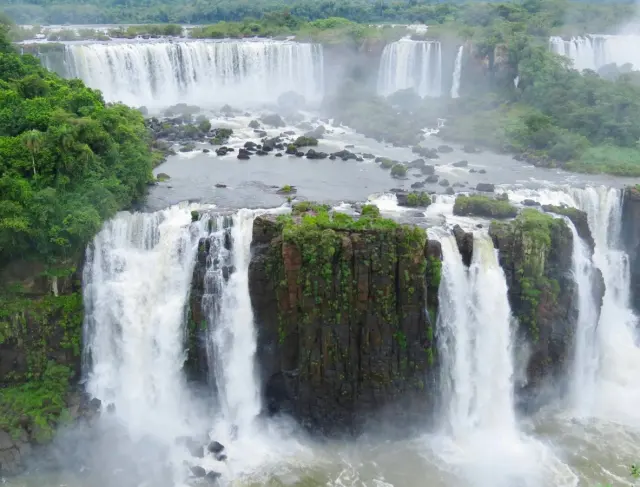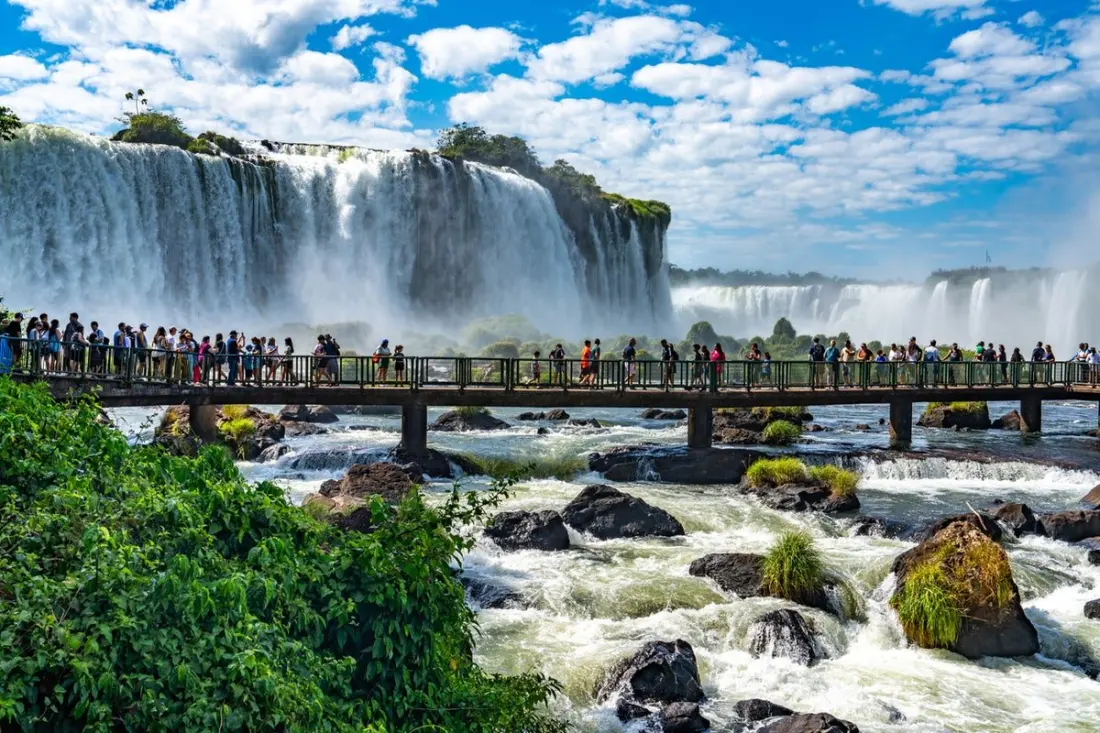
The world's largest waterfall system has had to shut its doors to visitors — at least for a day or two. On Monday, officials at Iguazu National Park in Argentina restricted access to the falls after the Iguazu river surged past 12,000 cubic metres per second, more than six times its usual rate of roughly 1,500 to 1,800 cubic metres per second. The culprit: relentless rain driven by the El Nino climate pattern.
Park director Jose Maria Hervas described the closure as a precautionary move, noting that rain was continuing and dam releases upstream showed no sign of easing. The good news for anyone with a trip booked: the restrictions were expected to be lifted on Tuesday as the river's flow gradually declined. The park has been through this before — the Argentine side also closed in 2023 and 2024 following El Nino-related flooding.
Straddling the Argentina-Brazil border, Iguazu Falls draws millions of visitors a year, and the current situation is more nuanced than a full shutdown. The famous Devil's Throat Circuit on the Argentine side has been closed since 3 August 2026, but the rest of the Argentine park remains open. Park officials have been quick to manage expectations, stressing that El Nino does not mean the falls will stay flooded or closed through 2026-2027 — it simply raises the odds of heavier, more changeable weather across southern South America.
Argentina's National Meteorological Service has echoed that warning, saying the warm El Nino phase increases the likelihood of above-normal rainfall along the coast, bringing severe storms, hail, strong wind gusts and intense downpours that can dump significant rain in just a few hours.
For travellers, the advice from the park itself is simple: build flexibility into your plans. Keep an eye on official park notices, leave some buffer time in your itinerary, and treat boat rides and exposed walkways as weather-dependent rather than guaranteed. If the Devil's Throat walkway is shut during your visit, the Brazilian side — which offers panoramic views of the falls, including the Throat itself — remains a solid alternative, and lower trails on the Argentine side continue to operate.
If you're dreaming of Iguazu, don't let this put you off. The falls are spectacular year-round, and high water can actually be a dramatic sight when access is safe. Just pack a rain jacket, book refundable tours, and check the park's updates before heading to the entrance.