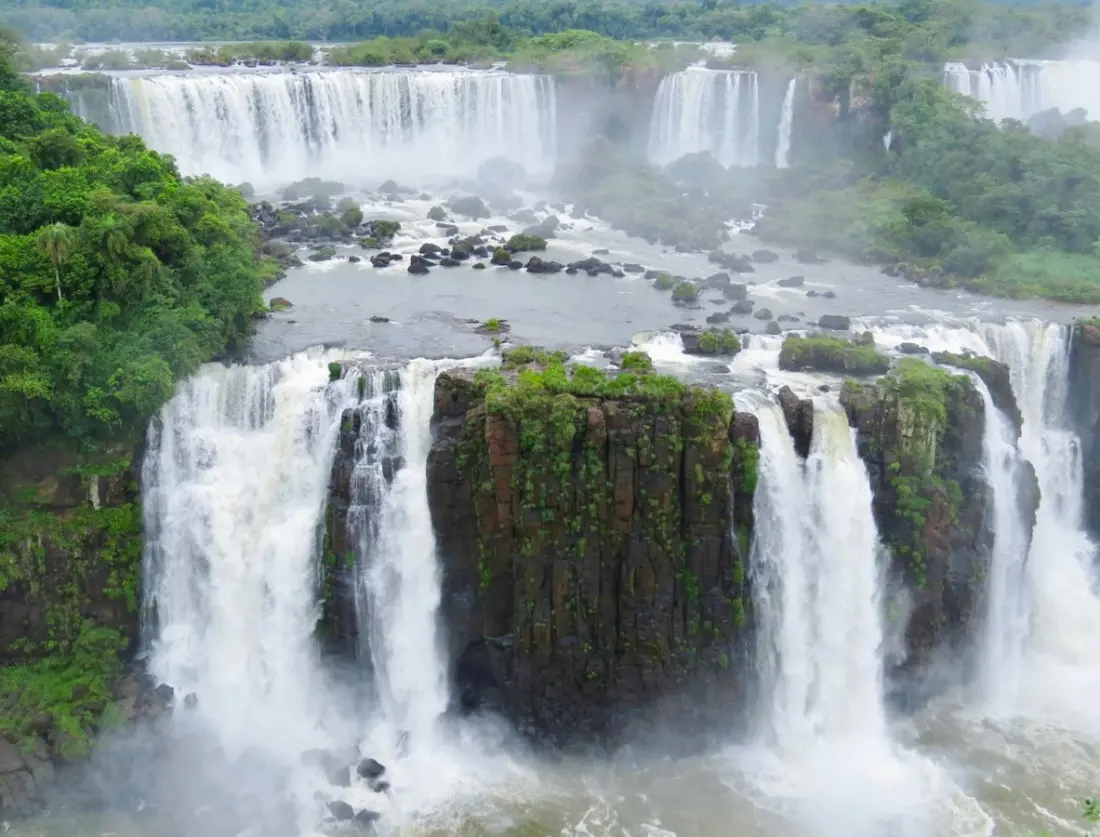
Heavy rain forced Argentine authorities to close access to Iguazú Falls on Monday 12 October after the Iguazú River surged past 12,000 cubic metres per second — more than six times its usual flow. With walkways and viewing areas suddenly in the path of a raging waterway, park officials suspended visits until levels began dropping the next day, Tuesday 13 October. Even then, individual circuits reopened only as conditions allowed, so travellers on the ground had to keep an eye on official updates.
The falls need little introduction. Stretching 2.7km along the Argentina-Brazil border, Iguazú is one of the largest waterfall systems on the planet and a UNESCO World Heritage Site. But the sheer scale of the place is exactly why closures happen: when the water rises, the boardwalks that get you close to the action become dangerous fast. This is not a one-off — Argentina's famous Devil's Throat circuit was shut for the same reason back in August.
What drove this latest surge? A mix of factors. El Niño can shape rainfall patterns across South America, and in this case heavy rain combined with upstream dam releases pushed the river well beyond normal levels. Authorities moved quickly because visitor safety has to come first when the volume of water hits numbers like these.
There's a practical point here for anyone planning a trip: the Argentine and Brazilian sides of the falls are run separately, with their own ticketing, trails and rules. A closure on the Argentine side doesn't automatically mean the Brazilian side is affected — or vice versa. The obvious advice is to check the official park channels shortly before you visit, especially in the wetter months when river levels can swing sharply. Flexibility in your itinerary helps too; a day's delay can mean the difference between a full experience and a partial one.
There's a flip side worth noting as well. High water means drama — the falls at their loudest and most impressive, with spray clouds you can feel from far off. The trade-off is that some walkways, particularly the closer circuits, may be off-limits when the river runs this strong. Low season offers easier access and thinner crowds, but the falls are notably less voluminous. There's no perfect answer; it depends on whether you want spectacle or access.
For most travellers the takeaway is simple: Iguazú remains an absolute bucket-list stop, but it's a living, shifting natural system rather than a fixed attraction. Build in a buffer day, monitor park announcements if heavy rain is forecast, and have a plan for both sides of the border. When nature decides to show off, the falls will still be there tomorrow — and the show is worth waiting for.