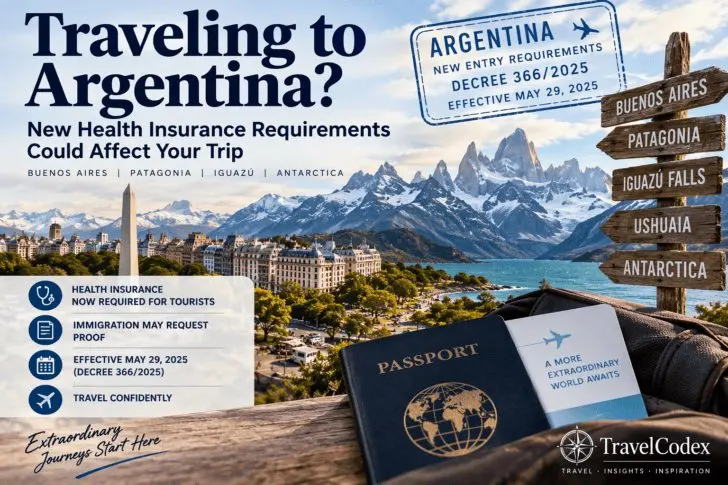
If Argentina is on your list for 2026, add one item to the pre-departure checklist: health insurance. Under Decree 366/2025, which came into force on May 29, 2025, foreign visitors - including tourists - are required to have medical coverage for their stay. The rule flew under the radar for much of 2025, but it is starting to get real attention now.
The law does two things. First, travellers must declare their purpose of travel and confirm they hold health insurance when entering the country. Second, it changes how foreigners use Argentina's public healthcare system, which many international visitors previously accessed for free. Tourists are now generally expected to have insurance or pay out of pocket for non-emergency treatment, though emergency care remains available to everyone regardless of coverage.
Here's the wrinkle: enforcement is inconsistent. Argentina's own diplomatic guidance has acknowledged that the procedures for checking insurance at the border were not fully rolled out in 2025, so some travellers are waved through without being asked. That doesn't make the requirement optional. If an immigration officer does request proof and you can't show it, you could be refused entry. The practical advice: buy a comprehensive policy before you fly, keep the certificate on your phone with an offline copy, and carry a printout. Basic travel medical cover typically costs well under $30.
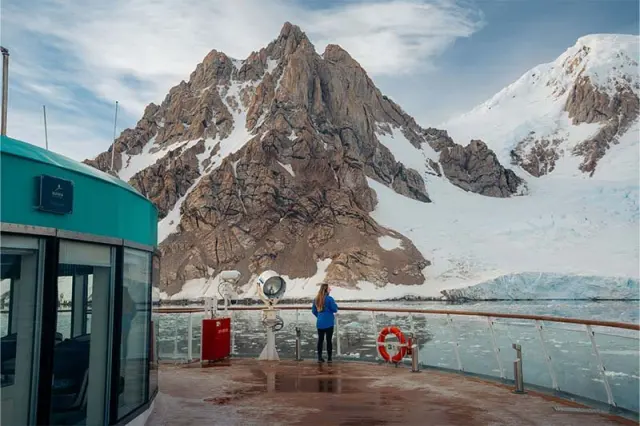
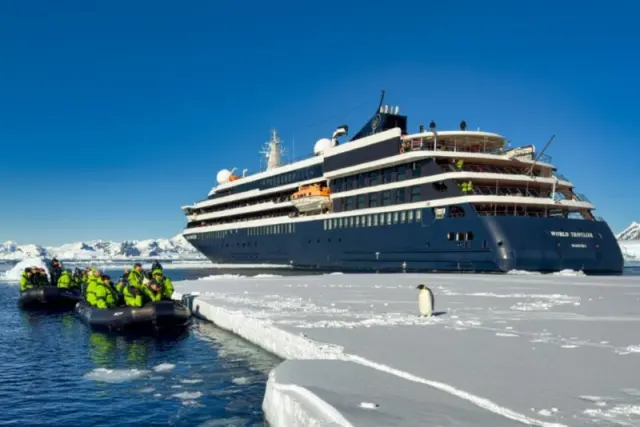
Antarctica-bound travellers need to pay extra attention. Most expeditions depart from Ushuaia, and even a night or two in Buenos Aires on the way puts you under Argentina's rules. More importantly, expedition operators often require up to $250,000 in evacuation coverage on top of anything Argentina asks for - a medical flight out of Antarctica can run $250,000 to $500,000. A standard policy that's fine for a city break will almost certainly fall short, so check that your coverage satisfies both the entry requirement and your operator's terms.
Credit card travel insurance deserves scepticism too. Many premium cards cover trip cancellations, delays or lost luggage rather than actual emergency medical bills, and some offer assistance services without paying costs. Ask for the benefits documentation and read it before you rely on it - and don't assume your domestic health insurance follows you abroad, because it usually doesn't.
Argentina is joining countries like Kenya and Tanzania in making health insurance a condition of entry. Honestly, this is a rule worth following even where it isn't enforced - medical evacuations from places like Patagonia or the Falklands can be financially ruinous without cover. A few dollars and ten minutes of paperwork before departure beats an expensive surprise mid-trip.