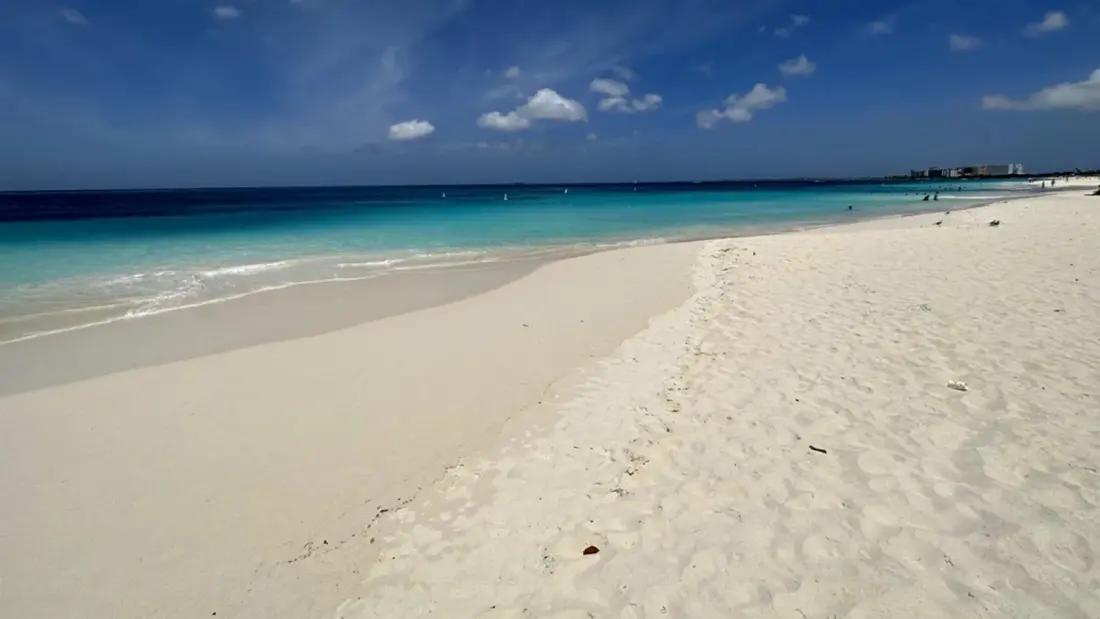
Aruba has launched a visitor code of conduct called the Aruba Promise, and it reads less like regulation and more like advice from a good host. The core ask: treat the island the way you'd treat someone's home. That sounds soft, but the guidelines get remarkably specific — down to the sunscreen in your bag and the temperature on your air conditioning.
The promise rests on three ideas: show up with a guest mindset, mind your footprint, and slow down. Eight practical areas cover everything from wildlife encounters to hotel-room habits, and most of them cost nothing to follow.
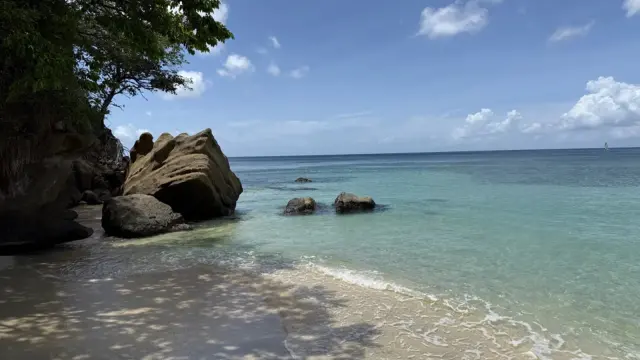
Preparation starts before you fly. Aruba wants visitors packing a reusable bottle, skipping single-use plastics, and choosing mineral-based sunscreen with zinc oxide or titanium dioxide as the active ingredient — check the label carefully, since chemical sunscreens are the problem here. On the sand, the rule is simple: leave shells where you found them, don't stack rocks, and watch wildlife without touching, feeding or crowding it. Driving on beaches is explicitly banned; the island calls the sand a fragile ecosystem that shelters numerous species.
One of the more refreshing asks is a push beyond the resort. Aruba suggests dining at locally owned restaurants, shopping at local businesses, and even picking up a few words of Papiamento. San Nicolas gets a specific shout-out — a town with serious street art, an established bar culture and nearby beaches, well worth more than a drive-through on your way to the water.
There's a pleasant surprise on the hydration front: Aruba brands its tap water "Paradise on Tap," and visitors are actively encouraged to drink it. Refill in your room before heading out and you can skip bottled water entirely.
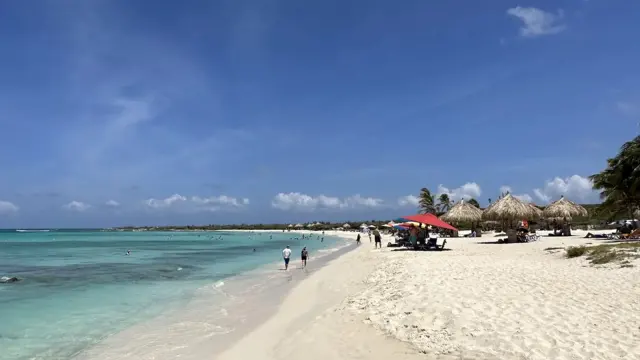
Back at the hotel, the requests are small but add up: request weekly rather than daily linen changes, switch off lights and the TV when you leave, and set the air conditioning to about 69 degrees Fahrenheit. Carry your rubbish until you find a bin, whether you're on a busy stretch of Eagle Beach or a quiet stop on an island drive.
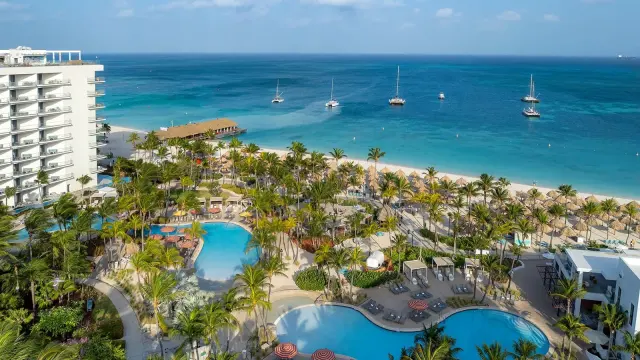
Why does this matter to travellers? Because Aruba is one of the Caribbean's most repeat-visit destinations — people return to the same beach every year — and these small choices are what keep it that way. None of it demands an extra excursion or a complicated itinerary. You still get the long swim, the palapa afternoon and the waterfront lunch; you just leave the shells, the coral and the fofoti trees intact for whoever comes next. If you're the kind of traveller who wants your holiday to do some good without turning into a chore, the Aruba Promise is a handy framework — and San Nicolas makes a genuinely worthwhile afternoon away from the pool.