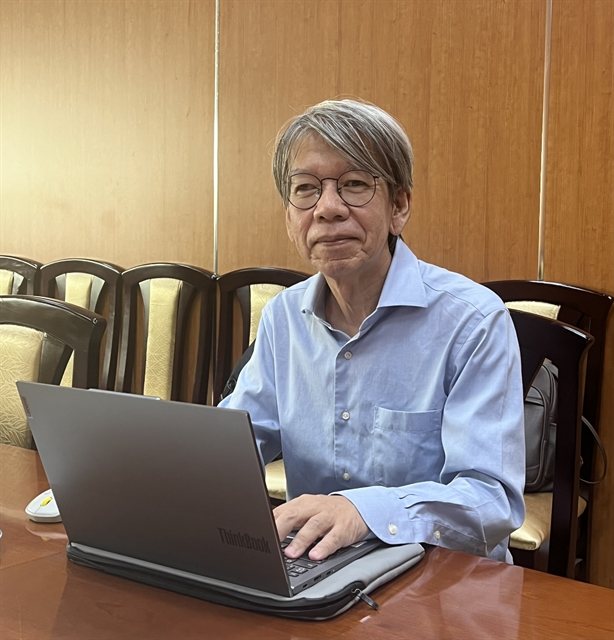
Toshiho Tanaka first visited Việt Nam back in 1990 as a holidaymaker, and the country clearly stuck with him. Three decades later, at 61, he found a way back: the Japan International Cooperation Agency (JICA) overseas volunteer programme, which places Japanese nationals abroad to share their skills. Since December, he has been a volunteer Japanese lecturer at HCM City Open University, following eight years of teaching the language at a university in Thailand.
His role goes well beyond the classroom. Tanaka coaches students for Japanese speaking contests, arranges exchanges with visiting delegations from Japanese universities, and helps welcome Japanese business groups. Colleagues describe him as meticulous and proactive — he keeps refining his teaching materials and laces lessons with stories to hold attention. Fourth-year student Phan Đình Khánh Duy says Tanaka deliberately speaks slowly and clearly, and pushes everyone to converse in class, which has made students noticeably more confident talking to Japanese speakers.
The appeal of Japanese among Vietnamese students is easy to explain: anime, manga and video games have given the language a firm foothold with a generation that grew up on Japanese pop culture. Tanaka's biggest challenge at first wasn't motivation but shyness — students took a while to warm up, eventually pulling him into group photos and an extracurricular trip to Mỹ Tho, where he got to see a looser, chattier side of his usually earnest class.
Outside work, Tanaka has settled into a quietly happy life in Saigon. He walks the city, reads in cafés, and loves wandering the hẻm — the narrow alleys packed with tiny restaurants and shops — a Vietnamese word he now uses instinctively. Asked what he likes most, his answer is instant: the food. He's also quick to praise locals; his early worry about moving abroad alone turned out to be unfounded, with JICA staff and colleagues helping him learn the bus routes and settle in. He even took a six-month Vietnamese course, enough for basic chats when shopping or eating out — though he admits the language is tough.
His posting runs for two years, after which he'll return to Japan and likely sign up for more JICA stints elsewhere. Whether Việt Nam comes calling again, he can't say — but he's already sure the memories will.
For travellers, the story is a nice window into a side of Ho Chi Minh City visitors often miss: the university campuses where young Vietnamese are studying Japanese in droves, the alleyway food culture that wins over long-term residents, and the genuine warmth that keeps expats and volunteers coming back. If you're planning your own slow, neighbourhood-level trip to Saigon, Tanaka's routine — walking, café sitting, eating — is a pretty good template.