Hải Phòng, Vietnam's biggest port city, is making a play for the film industry this November. From 21 to 23 November, the city hosts 'Hải Phòng – Gateway to Cinema' (also branded Hải Phòng Film Port), a forum organised by the Việt Nam Film Development Association together with the city government.
The event pulls in delegates from 16 provinces and cities, plus filmmakers, production companies, experts and international partners. The programme includes a film week, an exhibition, seminars and a networking programme that pairs local authorities directly with producers and projects. The centrepiece is a gala on the evening of 22 November — 'Hải Phòng Film Port – Where Stories Begin' — broadcast live on national television.
The point of all this isn't just to show off pretty backdrops. Hải Phòng genuinely has range: a working seaport, industrial zones, islands, historic sites and the everyday texture of a port city. But the organisers argue that good locations alone don't attract film crews. Productions also need clear information, streamlined permits, local crews, accommodation, transport, equipment and logistics — and Vietnamese provinces often fall short on those practicalities.
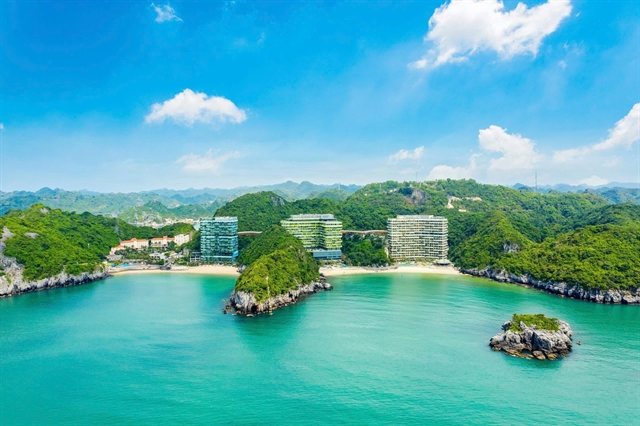
To fix that, the film development association has built a Production Attraction Index, a database that scores localities on how ready they actually are to host a shoot — not just how photogenic they are. Locations are sorted into categories so filmmakers can find what suits their project, and field surveys flag where provinces need to improve. One standout location in the mix: the Cát Bà Archipelago, a UNESCO World Natural Heritage site.
For travellers, this matters more than it might first appear. When cities invest in film infrastructure, film-induced tourism tends to follow — think of the visitors drawn to places by the movies shot there. The forum explicitly ties cinema to tourism, services and investment, and frames Hải Phòng as a city worth knowing beyond its role as a gateway to Hạ Long Bay. If its plan works, expect to see more Vietnamese stories filmed on these streets and islands in the coming years — and more reasons to linger in a city most travellers currently pass through.