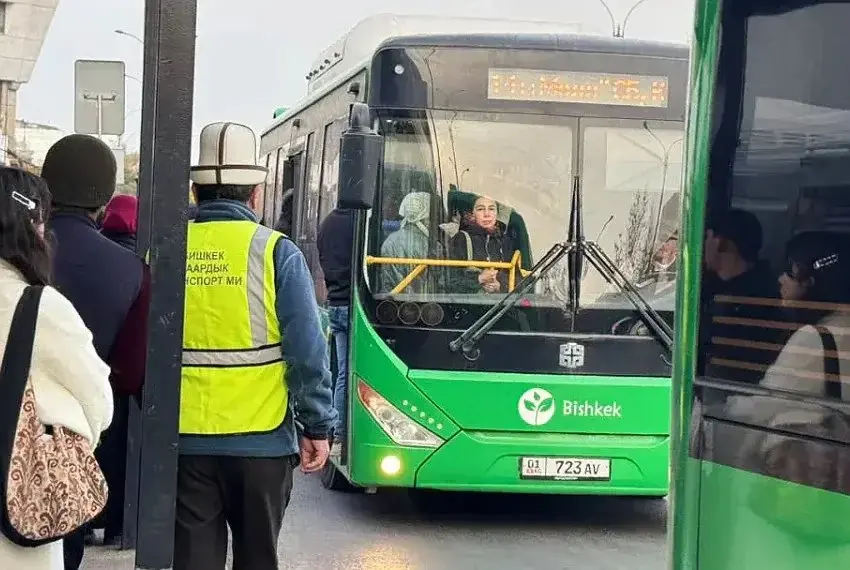
Kyrgyzstan's capital is cracking down on fare dodgers. From 4 to 6 November, Bishkek City Transport is running a city-wide inspection sweep of the municipal bus network, and the message to passengers is simple: tap, pay, and double-check your payment actually went through.
The checks are concentrated at bus stops and on busy routes during the morning and evening rush — 7am to 10am and 5pm to 8pm. Inspectors aren't only watching passengers. They're also auditing the buses themselves: roadworthiness, whether drivers follow traffic rules and stick to their schedules, and whether vehicles depart on time. Drivers have been reminded to let passengers board and alight safely.
The focus on cashless payments is the part most relevant to visitors. Bishkek has been steadily rolling out card and phone-based fare payment on its buses, and inspectors are specifically verifying that transactions have been completed — not just that a card was tapped. The city has asked riders to confirm their payment registered, which is sensible advice for anyone fumbling with a foreign card or a new transit app. People caught riding without a valid fare will face measures, though the transport company hasn't said what the penalties are or how many violations have been logged so far.
For travellers, this matters because Bishkek's buses are one of the cheapest ways to get around the capital, with flat fares that cost pennies by Western standards. But the system can be confusing for first-timers: you enter at the back, pass your fare forward or pay by card, and conductors aren't always obvious. A failed tap-and-go transaction could now mean an awkward conversation with an inspector mid-commute, so it's worth taking a second to check for a payment confirmation on your phone or receipt.
The crackdown is part of a broader effort to formalise the city's transit network, which mixes municipal buses, private minibuses (marshrutkas) and trolleybuses. Expect inspections like this to recur — the city has signalled it's serious about compliance on both sides, from passengers to drivers. If you're in Bishkek during a busy commute, travel with a bit of local currency as backup and keep your payment confirmation handy until you step off the bus. It's a small extra step in exchange for one of Central Asia's most affordable city transport systems.
Reported first by Kyrgyzstan: 24.kg.