Two Disney Cruise Line ships recently turned into floating classrooms for dozens of Bahamian students, offering a rare behind-the-scenes look at what working at sea actually involves.
Culinary students from the University of the Bahamas boarded the Disney Dream, where they met with the ship's chefs and took part in the "Anyone Can Cook" demonstration. Led by two of the onboard chefs, the session covered the preparation of a signature dish, professional cooking techniques, and a frank conversation about what a kitchen career on a cruise ship looks like day to day.
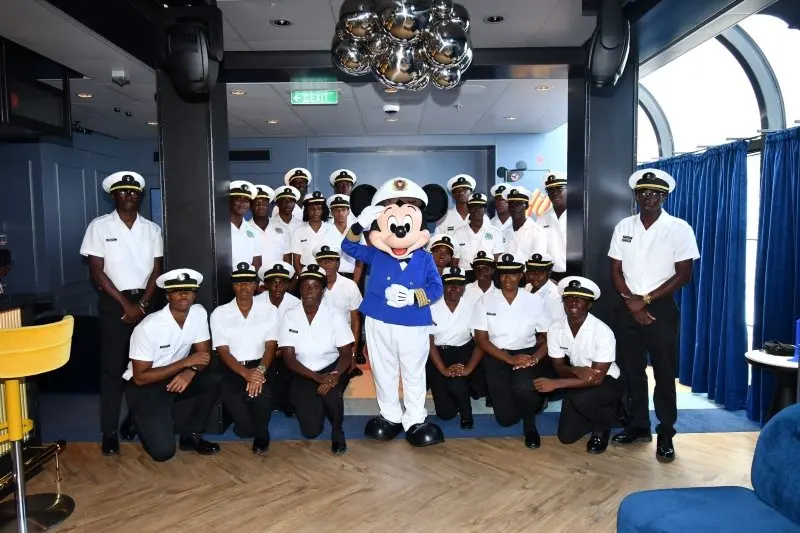
Meanwhile, 38 cadets from the LJM Maritime Academy toured the Disney Destiny, a newer addition to the fleet. Their visit included time with the Engineering Officer and a stop on the bridge to see how officers handle navigation and ship handling. Captain Mickey Mouse made an appearance to close things out — a small touch, but very on brand.
The visits are part of a wider relationship Disney has built with Bahamian institutions. Beyond ship tours, the company funds the Leading Light Programme with the University of The Bahamas, which offers hospitality, management and job-readiness training. Leslie Lopez, Disney Cruise Line's HR Manager for the Bahamas, has also helped organise the first group of Bahamian students to join a Disney Program at Walt Disney World in Orlando. Those participants worked in food and beverage, custodial and merchandise roles, met Disney leaders in seminars, volunteered through the company's VoluntEARS scheme, toured Florida and got a look inside the Disney Wish.
Why does this matter to travellers? The Bahamas sits at the centre of the Caribbean cruise industry — Disney's private island, Castaway Cay, is Bahamian, and Nassau is one of the busiest cruise ports in the world. Yet cruise jobs have historically gone to crew recruited from overseas. Programmes like this build a local pipeline of chefs, engineers and hospitality staff, which in time means more Bahamian faces serving visitors and more career options in a country where tourism is the economic engine. For anyone cruising to Nassau or Disney's island destinations, it's a reminder that the crew serving you increasingly reflects the places you're sailing through.
It also signals something about how cruise lines operate: recruitment, training and community investment are becoming part of the pitch in ports where lines compete for access and goodwill. Disney, with a large Bahamian footprint, has an obvious stake in keeping that relationship healthy.
For the students themselves, the takeaway was simple. Cruise ships are among the largest hospitality operations anywhere — a single ship can employ well over a thousand people across kitchens, engineering, entertainment and guest services — and the path from a classroom in Nassau to the bridge of an oceangoing vessel is shorter than it looks.