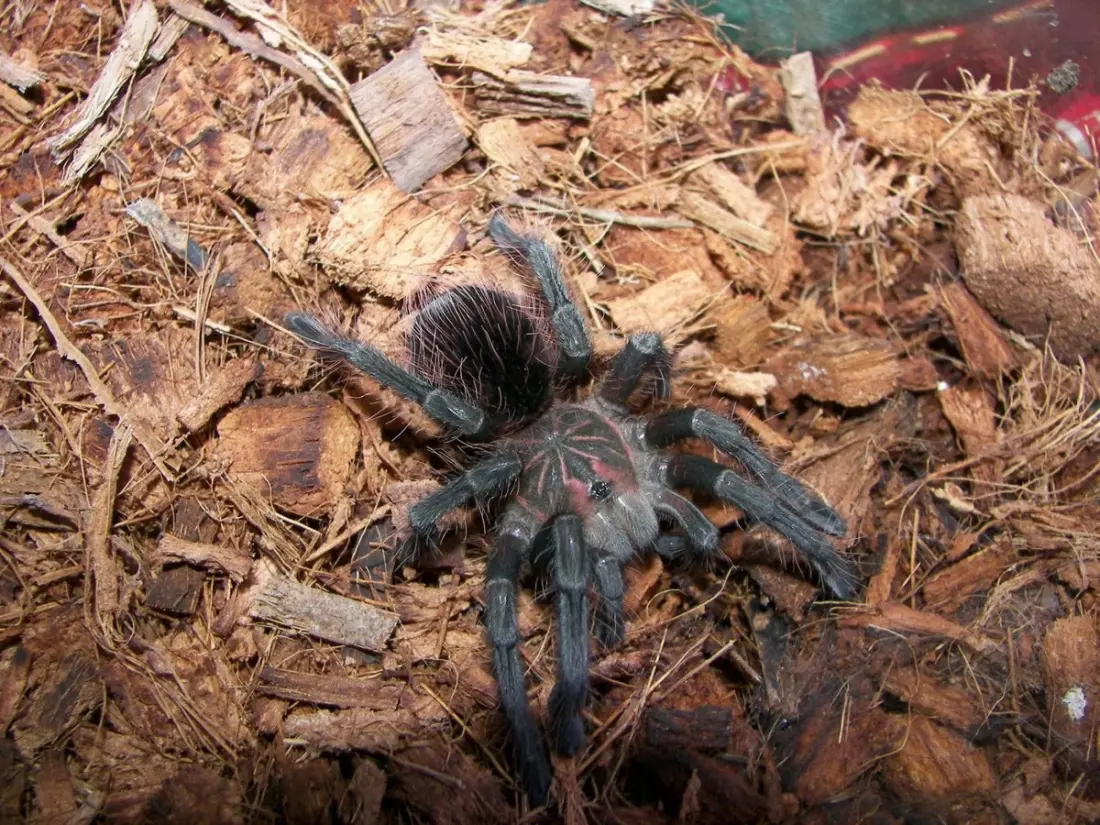
Peruvian inspectors at Lima's Jorge Chávez International Airport made an unusual find on 4 November: more than 3,000 tarantulas, packed into socks inside three suitcases and bound for Germany. Three European nationals — two Germans and a Pole — were detained, and one was reportedly a known tarantula researcher, though their name hasn't been released. Peru's National Forest and Wildlife Service (SERFOR) is handling the case alongside the police environmental crimes unit.
The scale and care of the collection stood out. The spiders ranged from eggs and hatchlings to adults, and included specimens from at least five Peruvian regions — Junín, Loreto, Cajamarca, Cusco and La Libertad — apparently gathered from the wild. Among them were members of the Pamphobeteus genus, which contains some of the world's largest tarantulas and can fetch high prices from exotic pet collectors. Also seized were blue bird eaters (Thrixopelma lagunas) and the Bolivian blue leg bird eater (Pamphobeteus antinous), the latter listed as vulnerable on Peru's national threatened species list. Some specimens belong to the recently described Antikuna genus, and a few Avicularia spiders haven't even been formally identified by science yet.
Here's the frustrating part for conservationists: none of these species is currently listed under CITES, the international treaty governing wildlife trade. That means even though collecting and exporting them broke Peruvian law, they could potentially be sold legally in destination countries. Sandra Altherr of the German group Pro Wildlife told Mongabay that this legal gap makes Latin America-to-Europe smuggling a low-risk, potentially lucrative business.
Why should travellers care? Because the story is a reminder of how the trade in unusual wildlife works — and how easy it is to get caught up in it. Most of us don't run tarantula smuggling rings, but tourists regularly buy odd souvenirs abroad: live animals, insects, seeds, shells, coral, dried plants. Rules on what can be taken out of a country like Peru, and brought into the EU or UK, are strict and can trip up even well-meaning visitors. Checked luggage does get searched, as this case proves, and penalties for wildlife offences can be serious.
The bigger picture is that trafficking isn't just about rhinos and elephants. Demand from collectors for rare spiders, scorpions and insects is putting real pressure on wild populations in biodiverse countries — sometimes on species so poorly known that science hasn't catalogued them yet. Peru's forests hold an enormous share of that hidden biodiversity, which is exactly what draws naturalists and wildlife tourists to places like Loreto and Cusco in the first place.
As for the spiders themselves, SERFOR says they'll be assessed and, once identified, moved to an authorised breeding facility. A quieter ending than their intended one — but a better one for Peru's forests.