Bangladesh has just recorded its deadliest month of 2026 for dengue fever, and anyone planning a trip there in the coming weeks should take note. October saw 173 deaths from the mosquito-borne disease, the worst monthly toll of the year, bringing the total to 418 deaths and more than 133,000 hospital admissions since January, according to Health Ministry figures. Health experts warn the outbreak will stay serious through November, with only modest relief expected before December.
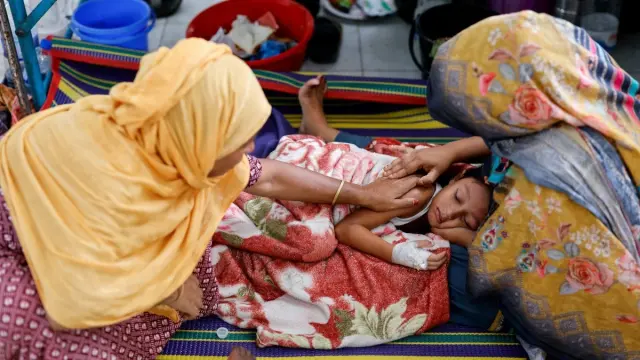
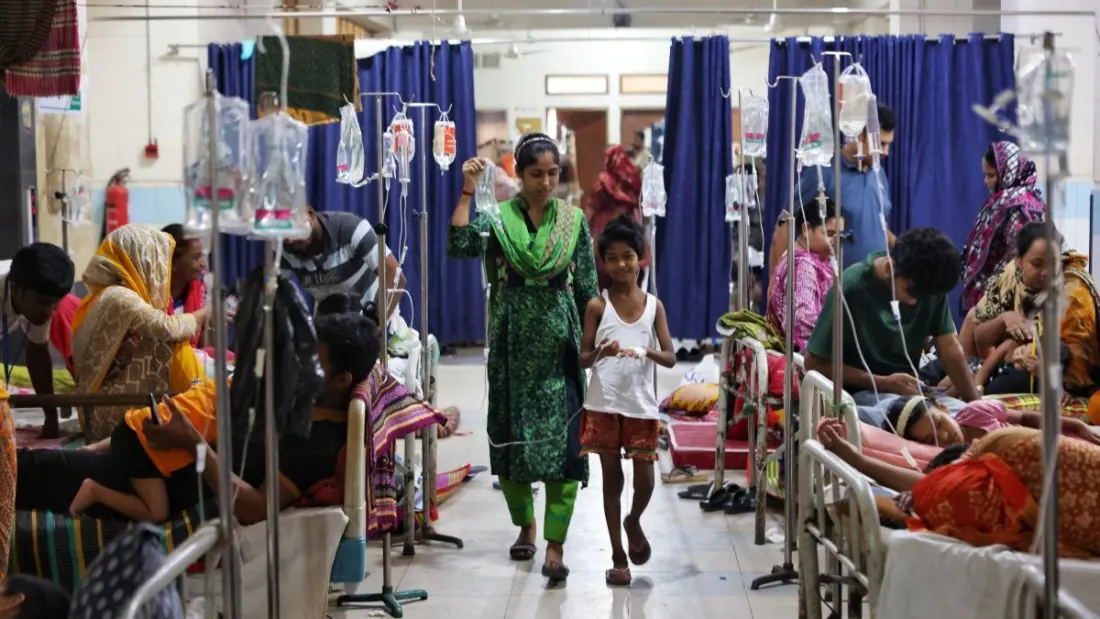
Hospitals, particularly in the capital Dhaka, are under real strain. Shaheed Suhrawardy Medical College and Hospital was treating 279 dengue patients in a single stretch, with 67 new admissions in one day. Its director described patients arriving in shock, with blood pressure too low to measure and oxygen levels falling. Doctors say many people are delaying care until complications set in, which makes treatment far harder.
Two factors are making this outbreak nastier than usual. First, repeat infections: all four dengue virus serotypes are circulating, and a second infection with a different serotype carries a higher risk of severe illness. Dhaka resident Faisal Ferdous, on his third bout since 2017, said this time both he and his wife needed hospital treatment. Second, the country is simultaneously battling the world's worst measles outbreak, which has killed more than 1,200 people and stretched an already overloaded health system to breaking point.
Climate is part of the picture too. Entomologist Kabirul Bashar of Jahangirnagar University points to shifting rainfall and humidity patterns tied to climate change, which are extending the breeding season of Aedes mosquitoes so they stay active longer. Mosquitoes will keep emerging from breeding sites created by earlier rains even as the weather dries out, so transmission won't drop off quickly. Bangladesh has not yet introduced a dengue vaccine, though authorities are weighing it as a longer-term measure.
If you're travelling to Bangladesh in November or early December, the practical takeaway is straightforward: take mosquito precautions seriously and know the symptoms. Use repellent with DEET, wear long sleeves at dawn and dusk, and choose accommodation with screens or air conditioning. Aedes mosquitoes bite during the day, so protection isn't just an evening concern. Clear any standing water around where you're staying, and if you develop a high fever, severe headache, or joint pain, seek medical care immediately rather than waiting it out — early treatment dramatically reduces the risk of severe outcomes. If you've had dengue before, be extra cautious, since a second infection can hit harder. Travellers with trips planned for December onwards can breathe a little easier, but until then, this is a story to watch before you fly.
Reported by Daily Sabah Travel.