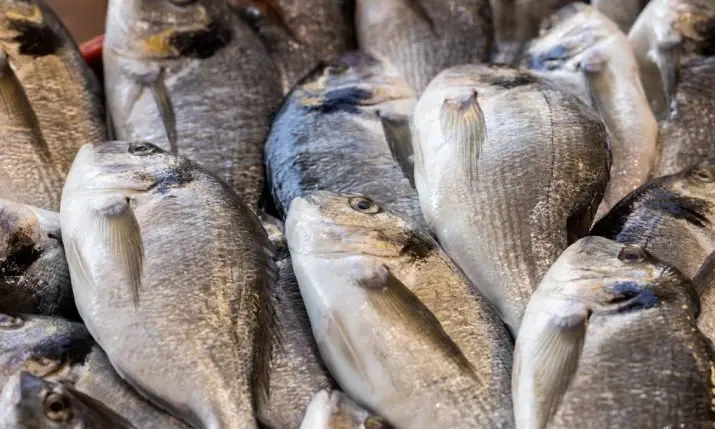
Autumn along Croatia's Adriatic coast isn't just about quieter beaches. It's also when wild sea bream — orada to locals — hits its peak, with more fish on the market, better quality and prices roughly half what you'd pay in summer.
The seasonal spike comes down to spawning. For about ten days, the fish move in dense shoals and become far easier to catch, especially in the northern Adriatic around Istria. Banjol fisherman Mladen Skoko told HRT it's one of the best windows of the year for landing the species, though persistence and local knowledge still count. His fellow fisherman Marino Žgomba had a lighter take on why catches are getting harder: the bream have apparently gotten wiser over the years.
That short spawning window translates directly to what's on the slab at fish markets. Neven Iveša, an associate professor at the Faculty of Natural Sciences in Pula, says the wild sea bream currently sold in Croatia is among the best quality you'll find — firm meat, rich in fatty acids and proteins, thanks to the spawning period.
Then there's the price. In peak summer, when tourists flood the coast, wild sea bream can run as high as €30 per kilogram. Right now, a vendor at Pula market quotes €10 to €15 per kilogram — a drop driven by bigger catches and the end of the tourist-season demand surge. The word has clearly spread: Slovenian visitors are crossing the border during school holidays to stock up at Croatian fish markets.
If you can't make it to the coast this month, the fish freezes well — but experts suggest keeping it in the freezer for no more than three months to hold its flavour and texture.
For food-focused travellers, this is a genuinely good reason to visit Istria in autumn rather than July. The summer crowds are gone, the coast is calmer, and the Adriatic's most prized table fish costs a fraction of the high-season price. Pula's fish market is the obvious stop, and nearby konobas (traditional taverns) will often grill whatever came in that morning. Pair it with Istria's own white wines — malvazija especially — and you have a very good reason for an off-season trip.
Beyond the plate, the story carries a quieter note: fishermen report that sea bream stocks seem to be thinning year on year. Eating seasonally, when the catch is abundant, is both the cheaper and the more sustainable way to enjoy it.