Every autumn around Durga Puja, a small cargo ritual played out on the India-Bangladesh border: Bangladesh would lift its hilsa export ban just long enough to ship the silvery river fish to Bengali communities in West Bengal. This year, the consignments never came. The fish stayed home, and its absence says more about regional politics than any press release could.
The breakdown follows two frosty years since the 2024 uprising that ended Sheikh Hasina's long rule in Bangladesh. The former prime minister now lives in New Delhi, and Dhaka is demanding her extradition as a condition for normal ties. Under Hasina, hilsa shipments were a signature piece of soft power — she first sent fish to West Bengal's chief minister in 1996 before the Ganges water-sharing treaty, and despite a blanket export ban from 2012, her government granted annual Puja exemptions. In 2021 alone, some 2,500 tonnes made the crossing.
There's a twist: this year hilsa actually swam the other way. Between July and September, about 553 tonnes of Indian hilsa entered Bangladesh through Benapole, much of it from Gujarat around the Narmada delta and the Arabian Sea. It flopped. Locals complained the larger, cheaper imports — sometimes passed off as prized Padma hilsa — lacked the richness and sweetness of the real thing. One Dhaka shopper watched his fish disintegrate in hot mustard oil. On September 22, Bangladesh's fisheries department cancelled all 103 import licences.
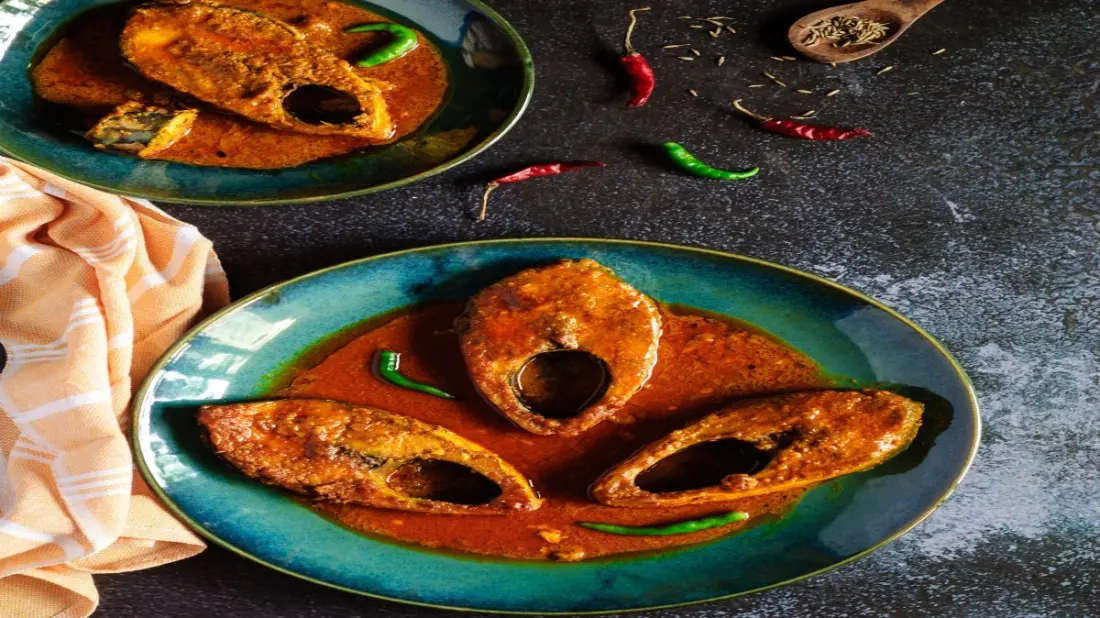
Bengalis take this seriously on both sides of the border. Tenualosa ilisha is a bony, oily fish that people on each side of the 1947 Partition line cook dozens of ways — fried, steamed in mustard, wrapped in banana leaves — and argue endlessly about whether the Padma or the Ganges produces the better specimen. But economics have soured the romance: national catches have slipped to around 500,000 tonnes from 571,000 tonnes two years earlier, and prime Dhaka market specimens now run 2,000-3,200 taka ($17-26) per kilogram — out of reach for many households who used to eat it regularly.
The diplomacy around all this got clumsy too. In late September, Bangladesh's High Commission in New Delhi hosted an 'Ilish Fest' for diplomats and journalists, complete with a reserved bowl of fried fish for a controversial Indian commentator known for anti-Bangladeshi rhetoric — while exports to ordinary Bengali households remained blocked. The optics did Dhaka no favours.
Why should a traveller care? Because hilsa is one of South Asia's great food experiences, and the season around Durga Puja (September-October) is when it matters most. If you're in Dhaka or Kolkata at the right time, a properly cooked Padma hilsa in mustard sauce is worth planning a meal — or a trip — around. But go with realistic expectations: prices are high, stocks are under pressure, and the politics of who gets to eat it are getting louder by the year. The empty platters this Puja are a reminder that even a fish can carry the weight of a diplomatic relationship.