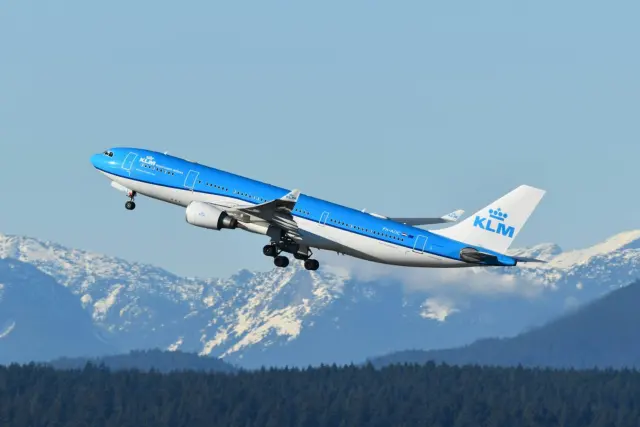
Arriving wrecked after a ten-hour flight is annoying when your big plan is a beach. Imagine instead having to climb an 8,000-metre peak or race an Olympic final days later. That's the reality for the elite competitors Outside Online interviewed about jet lag, and their routines translate surprisingly well to ordinary holidays.
The science backs up the stakes. Two recent research reviews found that crossing three or more time zones disrupts the circadian clock in ways that go beyond tiredness: trouble concentrating, mood swings, GI issues, and measurable drops in reaction time and coordination. Westbound travel is roughly twice as easy to adjust to as eastbound — about half a day per time zone versus a full day.
Two-time Olympic canoe medalist Katie Vincent plans her arrivals around a four-day reset. On the plane she wears compression socks, an eye mask and earplugs in a window seat, then lands and powers through day one on two coffees with zero naps. Regular wake, train and sleep times do the rest, with melatonin as needed. By day four, she's adjusted.
Ultrarunner and coach Corrine Malcolm starts before takeoff with "sleep banking" — going to bed earlier for several nights to build a buffer. She books direct evening flights so she can sleep a solid block, brings her own food, and uses morning light plus meal timing to shift her rhythm: protein wakes you up, carbs make you drowsy. Her bigger point is mental. One rough night won't ruin you if you've looked after yourself in the weeks before.
Fellow ultramarathoner Emily Harrison Torrence keeps it looser — no pre-shifting, just natural naps on the plane and, if needed, a strict 20-minute nap on arrival rather than a three-hour crash. Her non-negotiables are hydration with electrolytes and packed snacks, since airline meals rarely suit sensitive stomachs.
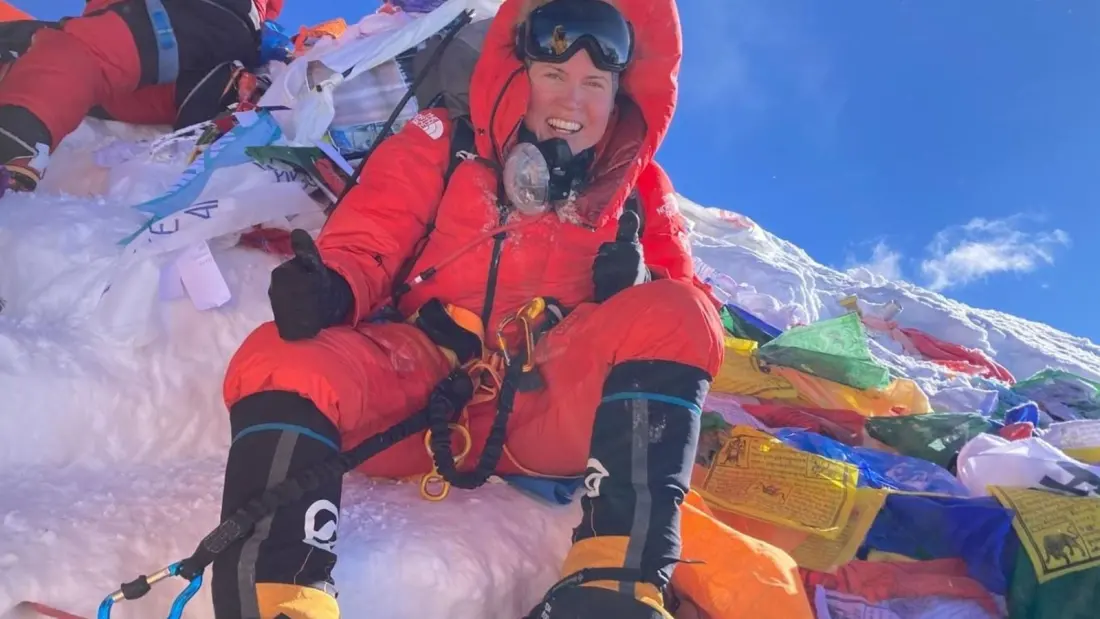
Mountaineer Megan Rath, who climbed Lhotse last spring, swears by the Timeshifter app, which builds a personalised schedule of light exposure, caffeine and sleep prompts based on your itinerary and habits. Facing a gnarly 9-hour-45-minute time shift via two red-eye flights, she timed her sunglasses on and off to signal sleep to her body — and says she's never felt better on a big climb. At altitude she also doubles her water intake, sipping a few mouthfuls every 15 minutes rather than guzzling, and skips alcohol entirely.
The common threads are simple enough for any traveller: start adjusting sleep a few days out, get bright morning light at your destination, stay hydrated, eat familiar foods at local mealtimes, and resist the afternoon nap that wrecks your first week. Whether you're landing in Kathmandu or the Canary Islands, a little structure beats stumbling through your holiday in a fog.