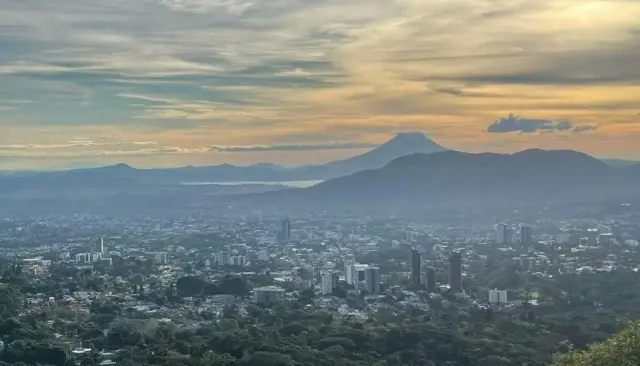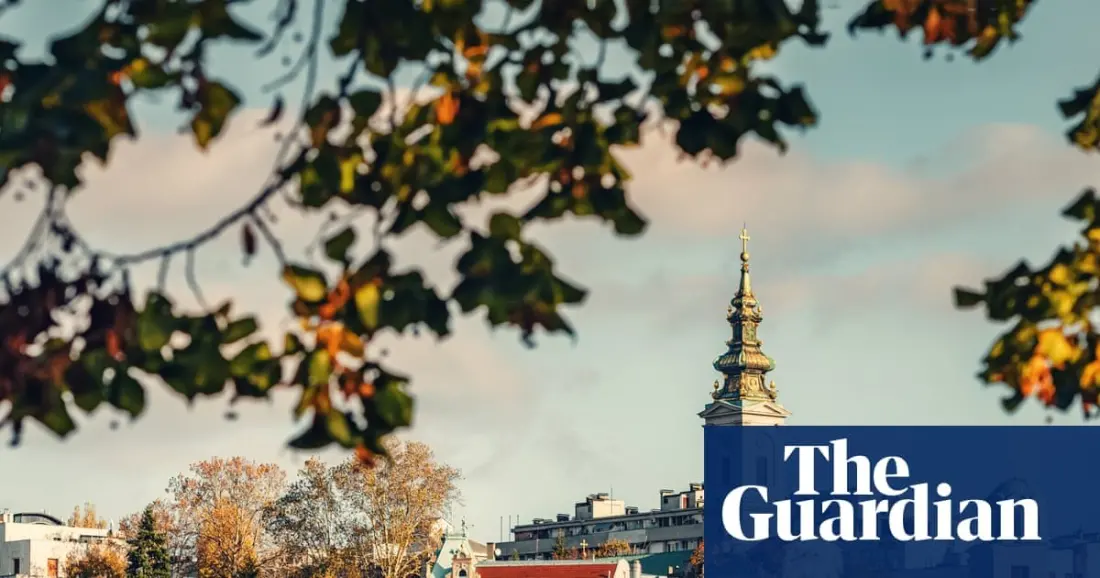
Belgrade is in a rare mood. After almost two years of student-led protests — triggered by the deadly canopy collapse at Novi Sad's railway station in November 2024 that killed 16 people — a student-backed list won a parliamentary majority last month. Celebrations spilled from Slavija Square into the city's bars, and while a new government has yet to form, the Serbian capital feels unusually hopeful. It's a compelling moment to visit a city that already had plenty going for it.
One of Europe's oldest cities, Belgrade sits where the Sava meets the Danube, and its mix of neoclassical facades, art nouveau details, socialist-era blocks and repurposed industrial spaces rewards walking. Start with Dorćol, the old-town quarter where former workshops now hold independent galleries, speciality coffee shops and contemporary restaurants, all under layers of murals and graffiti. Kosančićev Venac offers cobbled streets good for a slow coffee, while riverside Savamala has waterfront restaurants at Beton Hala. Vračar brings elegant villas, restaurants and the Nikola Tesla Museum.
Culture-wise, the National Museum spans prehistoric finds from Lepenski Vir and Vinča through Roman artefacts to Serbian and European painting. Galerija Kula, in a tower of the old brewery complex, showcases local designers with a shop full of posters worth browsing, and the Museum of Contemporary Art — a 1965 modernist building by Ivan Antić and Ivanka Raspopović — traces Yugoslav art in a structure that's an exhibit itself. For a different lens, Ljiljana Radosević runs street art walking tours and workshops, and Still in Belgrade Tours offers a bike tour of New Belgrade's socialist architecture, where Le Corbusier's planning ideas are visible in freestanding blocks and generous green space.
Eating covers both ends. Stara Hercegovina does the classics: čorba soup, pork knuckle or pljeskavica with šopska salad, then a walnut-stuffed poached apple. Dragoljub reworks Balkan dishes into shareable plates with a solid cocktail bar, Koordinata near the National Theatre goes farm-to-table (baked cabbage to duck, plus alcohol-free cocktails and Balkan wines), and Stories by Kalemegdan Park serves Georgian food — khinkali dumplings and indulgent khachapuri. Tiny Ćilim pours some of the city's best whisky sours; Oliver's is a wine bar with a New York feel.
Nightlife is the draw for many. Electronic music has anchored the city's after-dark scene for two decades. Esthetic Joys Embassy pairs retro Yugoslav interiors and Japanese food with DJ sets; BIFE is a cocktail and DJ bar in a former shopping centre with signature cocktails at €8-10; Karmakoma is the pick for a proper night of techno, house and disco. Beds are affordable too: Pavilion Hotel & Social Club in Dorćol has doubles from about €89, while the historic Hotel Balkan near Terazije starts around €100.
A genuine bonus: public transport — buses, trams and trolleybuses — is free, so getting around costs nothing. With a young, sociable population, food markets like Kalenić and Zemun, and a political moment that has locals celebrating, Belgrade right now is a city worth seeing before word spreads further.
Story via The Guardian Travel