Papua New Guinea and Australia used their 32nd Ministerial Forum in Port Moresby to announce a batch of agreements that will gradually change how people move between the two countries. The headline for travellers: from 2028, Papua New Guineans will be able to apply for a 12-month, multiple-entry visa built around attending NRL matches in Australia. Each visit lasts up to 30 days, the fee is set at 75 kina (about US$17), and work is not permitted. Foreign Minister Justin Tkatchenko expects thousands of rugby league fans to use it.
That sports visa sits alongside existing schemes. PNG already receives the largest allocation of Pacific Engagement Visas of any Pacific nation — a programme that grants successful applicants Medicare access and education rights from day one — and Canberra says it is open to discussing PNG's request for NZ-style visa arrangements. The catch is documentation: Tkatchenko openly admitted PNG's national ID and birth certificate systems are unreliable, and said fixing them is a precondition for any broader visa liberalisation.
The wider alliance package is substantial. Australia committed AUD$110 million (US$77 million) to PNG Defence Force infrastructure and will rotate around 130 troops from Townsville's 3rd Brigade through the country on three-month deployments. A recruitment pathway opens on 16 November for Papua New Guineans to join the Australian Defence Force, piloted with two cohorts of roughly 50 recruits. On the civilian side, there is a new 10-year primary healthcare programme focused on maternal and child health, an extra AUD$1 million for the HPV vaccine rollout, cooperation on cheaper internet under PNG's telecoms blueprint, and plans to expand labour mobility and engagement visa places.
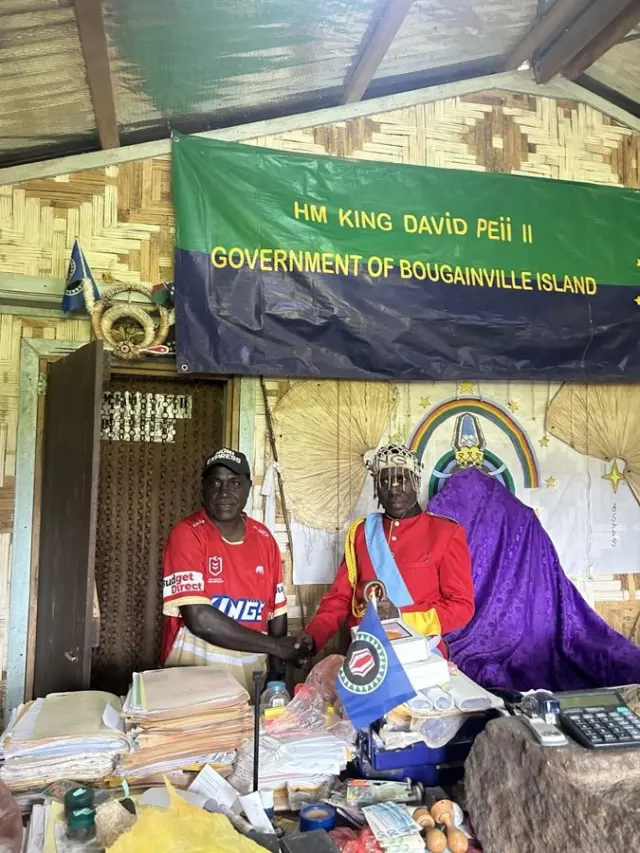
Bougainville also featured. Australian Foreign Minister Penny Wong stressed that the region's independence question is strictly a matter for Port Moresby and the Autonomous Bougainville Government to negotiate — a pointed neutrality given the 2019 referendum saw almost 98% vote for independence, and ratification still rests with PNG's parliament.
Why does this matter if you're not a diplomat or a rugby fan? Because visa settings and infrastructure spending shape what a trip to PNG actually looks like over the next decade. Easier movement for PNG citizens flows both ways in practical terms: stronger people-to-people links tend to mean more direct flights, better tourism cooperation and a smoother visa experience for Australians and other visitors heading the other way. And for Papua New Guineans themselves, the sports visa is the first real taste of repeat, low-cost travel to Australia — a quiet milestone for a country that has long faced some of the tightest visa settings in the Pacific. Anyone with family, business or travel plans spanning the Torres Strait should watch how the 2028 rollout and the documentation reforms land.