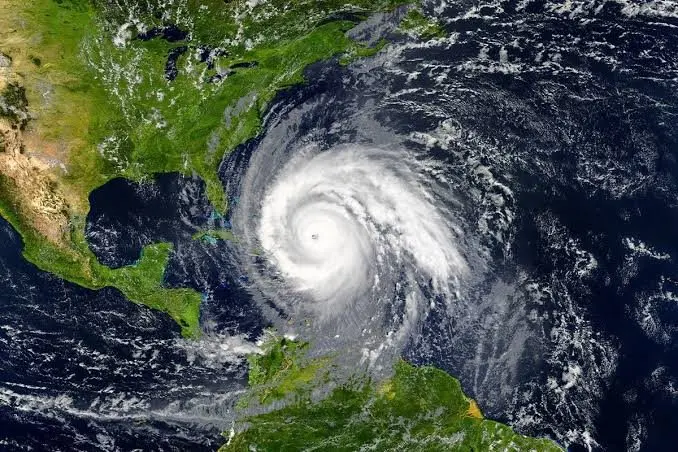
Belize is days away from closing out the 2026 Atlantic hurricane season untouched. The season officially wraps up on November 30, and if nothing develops between now and then, it will mark the second consecutive year the country has avoided a direct strike from a tropical storm or hurricane. For anyone weighing a trip to Ambergris Caye, Caye Caulker or the mainland jungle lodges, that's a reassuring run of luck.
This quiet stretch isn't just local fortune. The Atlantic as a whole had an unusually tame year. The US National Oceanic and Atmospheric Administration counted just 10 named storms through November 24, well below the average of 14 named storms, seven hurricanes and three major hurricanes. Only one storm managed to reach hurricane strength: Isaias, which peaked as a Category 3 with 120 mph winds before weakening and coming ashore near Destin, Florida on October 9 as a Category 2. It pushed significant storm surge into Panama City Beach and was the first hurricane to make landfall on the US mainland since Hurricane Milton back in October 2024.
The reason? A very strong El Niño. The climate pattern suppressed storm development across the Atlantic while shifting energy to the Pacific, where hurricanes Lala and Lowell affected Hawaii. Closer to the mainland, Tropical Storm Arthur formed near the Texas coast on June 17 and its remnants helped drive heavy rain and flooding across the southeastern US, while Tropical Storm Bertha, which formed along the northern Gulf Coast on July 20, kicked up gusty winds, rough surf and coastal flooding from Florida to Louisiana.
Belize wasn't entirely spared by the season's weather. Several tropical waves rolled through, bringing spells of heavy rain, especially along the coast. In September, downpours left standing water on roads and around homes in San Pedro Town on Ambergris Caye, and town council crews had to clear drainage in spots like Boca del Rio and the DFC and Escalante subdivisions. Annoying, yes — but a far cry from a hurricane landfall.
Throughout the season, Belize's National Meteorological Service kept a constant watch on tropical weather, and the National Emergency Management Organisation stood ready to respond if needed. Hurricanes are no small threat here: they can flood wide areas, wreck homes and infrastructure, and knock out both agriculture and tourism, the backbone of the economy.
Why should travellers care? Because it speaks to how hurricane risk actually works when planning a Caribbean-adjacent trip. The official season runs June 1 to November 30, and while a single quiet year proves nothing about the next one, two in a row — plus a below-average basin-wide season — underlines that the feared worst case is the exception, not the rule. If you travel in shoulder season, it's worth knowing the monitoring and emergency systems here are established and active, and that a rough patch of rain doesn't necessarily mean your trip is doomed.