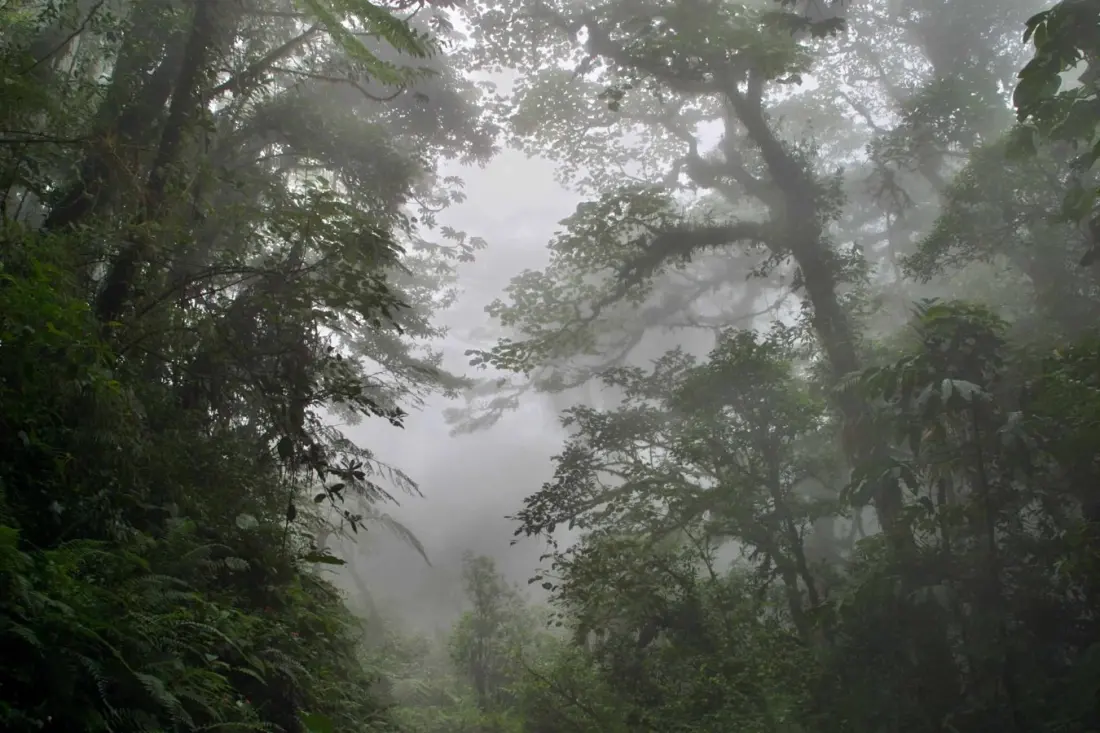
Monteverde, the Costa Rican cloud forest beloved by birders and zip-line crowds alike, has been getting some uncomfortable international attention. On November 12, BBC Future ran a feature by journalist Jocelyn Timperley reporting from the Children's Eternal Rainforest and nearby reserves, and its headline finding is stark: the mist that gives the forest its name is drifting away.
The numbers come from Alan Pounds, resident scientist at the Monteverde Cloud Forest Biological Preserve, who has logged dry days — days when neither rain nor fog reaches his rain gauge — for decades. In the 1970s there were roughly 25 a year. His latest preliminary count averages close to 119. As temperatures rise, the fog bank sits higher above the trees, leaving the canopy exposed to sun and dry air through much of the dry season.
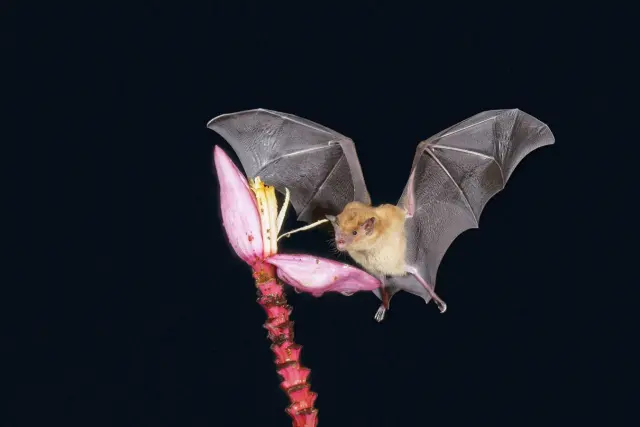
That matters because the forest's character lives in its epiphytes: the orchids, mosses, bromeliads and ferns that carpet every branch and drink straight from the mist. The BBC follows ecologists Nalini Nadkarni (University of Utah), Sybil Gotsch (University of Kentucky) and Costa Rican researcher Elenter Cubero Campos as they measure exactly what the trees lose when those hanging gardens dry out. The feature also looks back at the golden toad, which disappeared after 1989 and is often cited as one of the first extinctions blamed on climate change, and at new arrivals pushing up from the lowlands — toucans, terciopelo snakes and bat species the cold once kept out.
There's a human side too. The piece talks to the Monteverde Institute, the Costa Rican Conservation Foundation and the local climate group CorClima about tree planting, biological corridors and an uncomfortable question: ecotourism saved this forest from cattle pasture, but is it now part of the pressure, as hotels multiply along the ridge?
For travellers, none of this means cancelling a trip. The reserves are open, the forest is still green, and quetzals still nest in the high valleys — often best spotted on guided walks in the early morning. But it does change what a visit means. Going with a local naturalist guide, choosing lodges and operators that fund conservation, and sticking to established trails all feed directly into the replanting and corridor projects locals are running. Monteverde is becoming a place where tourism income and forest survival are genuinely intertwined, and visitors who understand that get a far richer experience out of it.
The timing is worth noting for anyone planning a trip this decade. The dry season is lengthening, so the drippy, otherworldly fog-draped atmosphere people picture is less reliable than it used to be — pack for sun as well as drizzle, and consider the wetter months if the cloud-forest mood is the whole point of your visit. Wildlife is shifting too, so a good guide matters more than ever for finding the iconic species.
Full feature reporting via The Tico Times.