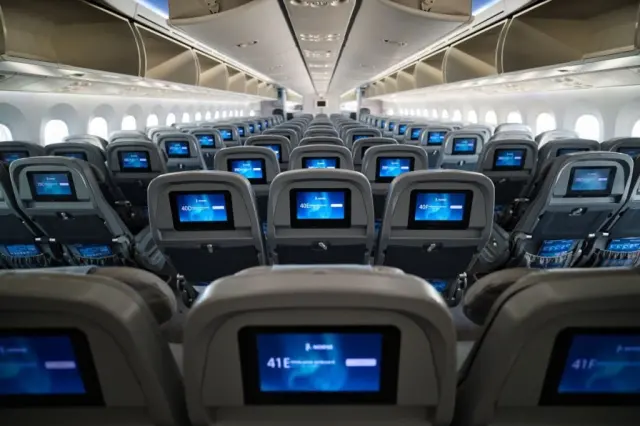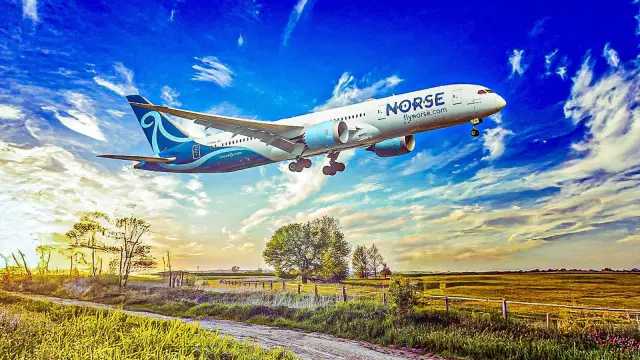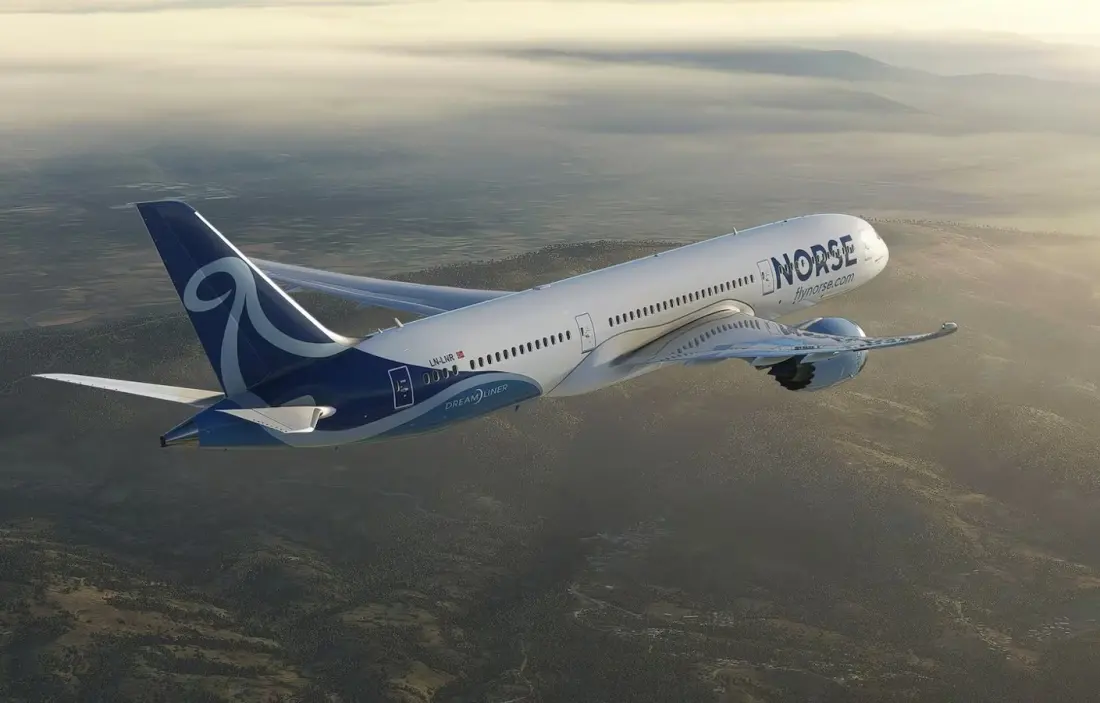
Norse Atlantic has stopped flying. The budget long-haul carrier cancelled every flight and pulled its tickets from sale after its Norwegian operating company, Norse Atlantic Airways AS, moved to file for bankruptcy at the Agder District Court, announced on 27 November 2026. The airline simply couldn't find the cash to cover its immediate obligations, and the board concluded there was no way to keep the Norwegian operation running.
The collapse came fast. On 25 November Norse warned its finances were critical. Flights were suspended the next day. Then came the real blow: lessors of all 12 aircraft in the fleet issued notices terminating their leases, though Norse disputes their validity. Even if the remaining businesses survive, an airline with no planes and no funding faces an uphill fight. The publicly listed parent, Norse Atlantic ASA, and subsidiaries in the UK and USA sit outside the bankruptcy filing, and management is still hunting for a way to salvage something from the wreckage. CEO Eivind Roald offered an apology to passengers, staff and partners.
Why did it happen? Reuters points to soaring fuel costs linked to the Iran war, which hit an airline selling cheap fares on fuel-hungry transatlantic routes harder than most. Norse had already retreated from Los Angeles earlier in the year as fuel prices climbed. But the deeper problem is the model itself: ultra-low advertised fares fill seats without generating enough revenue to break even, while established network carriers protect themselves with connecting traffic and premium cabin demand.
Norse launched in 2021 to fill the gap left when Norwegian axed its long-haul operation, and for a while it gave travellers a genuinely cheap way across the Atlantic — and kept the big carriers honest on fares. That competitive pressure is now gone.
If you hold a Norse booking, assume your flight won't operate. Your best route is your credit or debit card issuer — ask about chargeback or refund options for cancelled services. Travel insurance may also cover it if you bought a policy. Booked via a travel agency or as part of a package holiday? Go to that provider first, since they often carry the refund obligation. Note that if you booked directly with the Norwegian entity, recovering money through airline insolvency proceedings can be slow, so the card-chargeback path is usually the fastest.
For anyone who liked the idea of affordable transatlantic fares, the practical takeaway is to be cautious with thin-margin budget long-haul carriers — book with a credit card, consider ATOL or similar package protection where available, and have a sense of what alternatives (carriers like PLAY, French bee or legacy airline sales) exist before you commit.