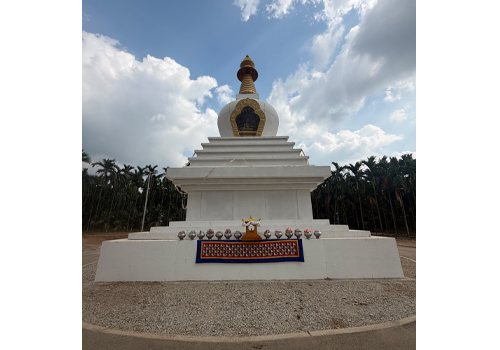
On 1 November 2026, Bhutan plans one of the boldest collective acts of faith anywhere in the world: raising 108 Jangchub Chortens in a single day at Gelephu Mindfulness City, in the south of the country. More than 100,000 people are expected on site, including Bhutanese from across the country, members of the diaspora, and international participants drawn by the spiritual weight of the occasion.
Project 108 is a Royal initiative tied to His Majesty The King's vision for Gelephu Mindfulness City, Bhutan's ambitious new urban project billed as a global hub for mindfulness, wellbeing and sustainable enterprise. The chortens — Buddhist monuments symbolising enlightenment, compassion, wisdom and peace — will be built through an enormous coordinated effort combining traditional craftsmanship with modern logistics and engineering. Not everyone will lay stones: organisers expect participants to contribute through construction, coordination, services, resources or simply prayer, each role treated as equal in a shared purpose.
The event is also framed as a statement about what a nation can do together. Writing in The Bhutanese, author and commentator Dorji Dradhul argues that the real legacy of Project 108 may be what happens the day after — whether the confidence of mobilising 100,000 people around one goal can carry into everyday problem-solving, from youth unemployment and rural depopulation to better public services. He proposes extending the idea into a national movement of "108 possibilities": villages improving markets for local produce, schools becoming more accessible, communities restoring water sources. Mindfulness, in his reading, is not just meditation but noticing what matters and acting on it collectively.
For travellers, Project 108 hints at what Gelephu Mindfulness City is trying to become: not just striking architecture, but a place where wellbeing and community shape daily life. Bhutan is already a country that measures success through Gross National Happiness rather than GDP, and events like this show that philosophy in action. If you can time a visit around early November 2026, you would witness a rare moment — tens of thousands of people building sacred monuments together — and Gelephu itself is likely to be in the global spotlight.
Even if you miss the day itself, Bhutan rewards travellers seeking something genuinely different: cliff-clung monasteries like Paro Taktsang, fortified dzongs, forested mountain trails, and a tourism model based on sustainable daily fees that keeps crowds low. Project 108 is a reminder that the country's biggest attraction has never been a single sight — it's the chance to see a society organising itself around values most places only talk about.
Story via The Bhutanese.