Most people climbing Kilimanjaro spend the day before their summit attempt resting. One American trekker spent it performing Michael Jackson's Thriller at Kosovo Camp, 16,000 feet up, with Kibo's summit looming behind him.
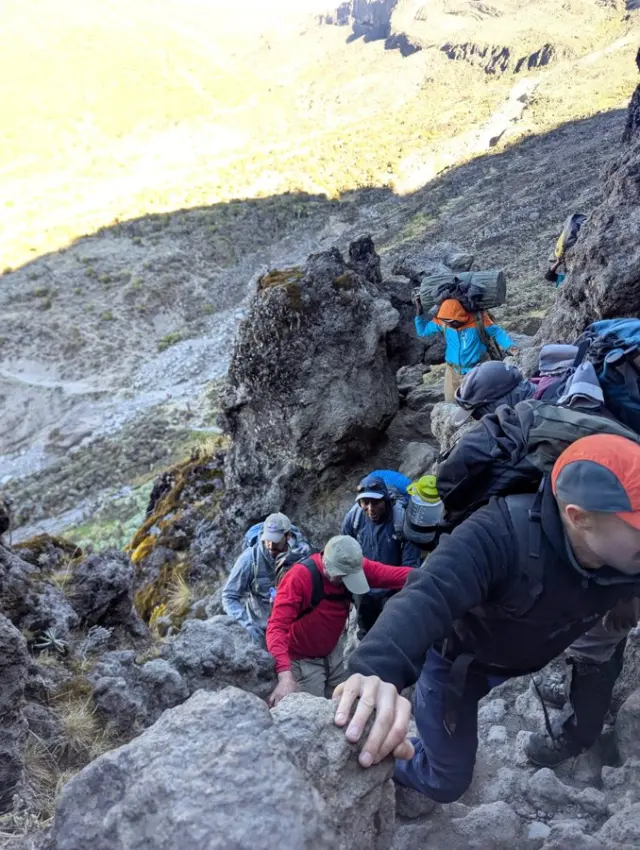
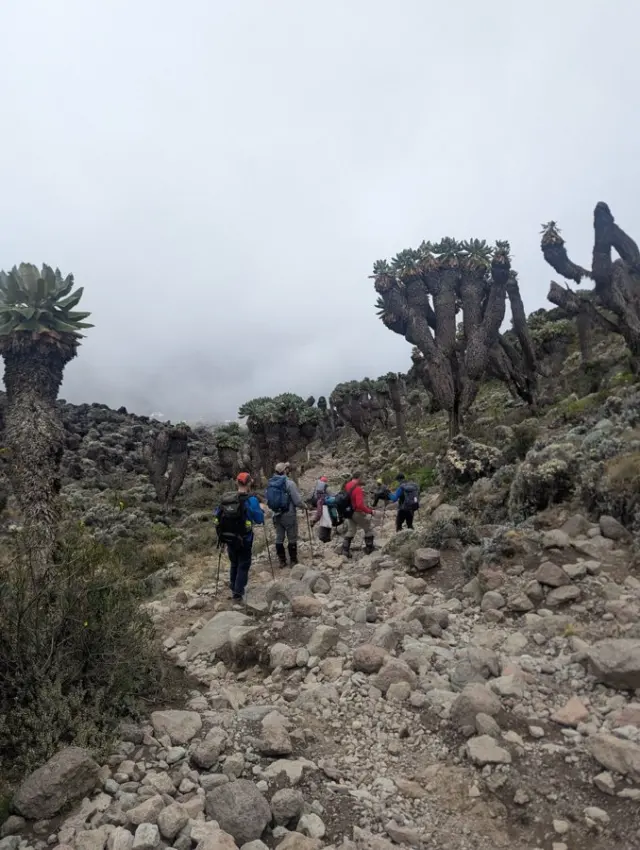
Day six of his Machame-route climb covered the short but steep stretch from Karanga Camp (13,100 ft) to Kosovo Camp, about 3.5 miles with nearly 2,900 feet of gain. Setting off around 7:45 am, he passed through Barafu Camp — the traditional base camp — where the group posed at the sign before continuing up a rocky scramble to Kosovo, arriving by 12:30 pm. From there, the plan was dinner at 6 pm, bed shortly after, an 11 pm wakeup and a midnight departure for the top.
His guides put the scale of the mountain in perspective. Dismus, a quiet, cheerful porter who has worked on Kilimanjaro for 37 years, once hiked from Karanga to the summit and back down to Mweka Gate in 19 hours. The writer's group expected to take around 48 hours for the same round trip.
The elevation numbers he shared are a handy way for American hikers to grasp how big Kili really is. At 14,500 feet — higher than Mt Whitney, the tallest peak in the contiguous US — he still had roughly 5,000 feet to climb, about the elevation gain of hiking Half Dome from Yosemite Valley. As he put it: imagine doing Half Dome starting from the top of Whitney.
The day also delivered a sobering reminder about altitude. On the scramble between Barafu and Kosovo, he watched guides escort several unstable-looking hikers down, then saw a team rushing a hiker downhill on a back board, likely to treat altitude sickness before it turned dangerous. Kilimanjaro is non-technical, but the altitude is genuine and rescues happen regularly.
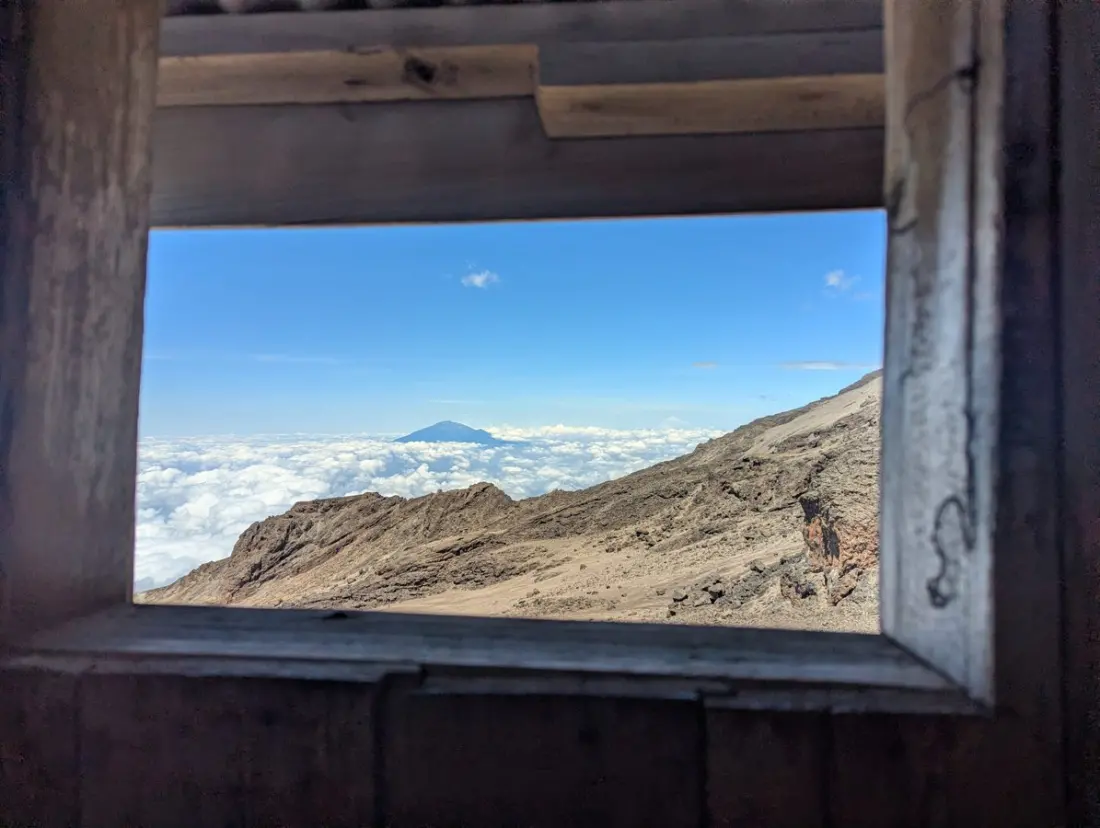
Why the Thriller dance? The writer takes part in Thrill the World, a global synchronized performance of the Thriller choreography, with a group in San Jose. This year's event fell while he was on the mountain, so he packed zombie makeup and fake wounds, dressed up at Kosovo Camp, and danced with Kibo in the background — gasping through the energetic middle section at 16,000 feet. One guide suggested he repeat a portion at the summit.
For anyone weighing up a Kilimanjaro trip, the piece offers a realistic slice of what the final acclimatisation day feels like: cold nights with a slipping sleeping bag, short hiking days, long stretches of rest, and slow, steady gain. It suits fit hikers who want a big-mountain experience without ropes or crampons — provided they build in enough days for their body to adjust, and take the descent seriously when guides say it's time.