The United States just experienced its largest nationwide flight grounding since the September 11 attacks, and the official explanation afterwards raised more questions than it answered.
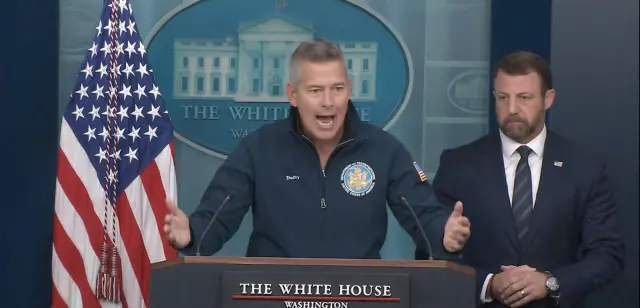
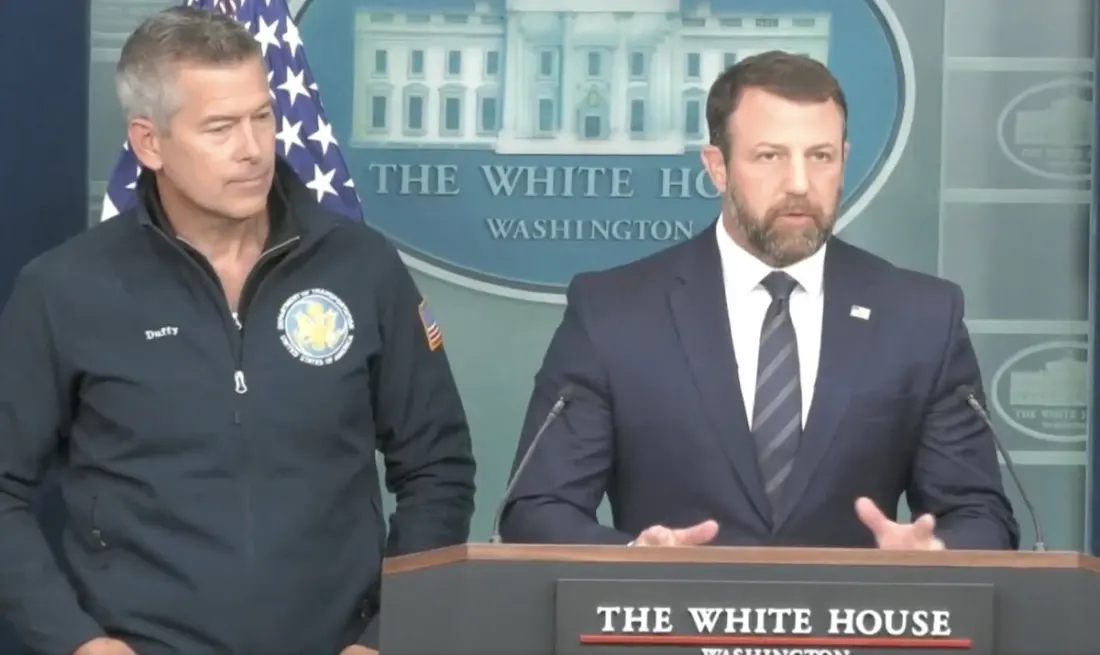
The Federal Aviation Administration imposed a ground stop across the country that took more than four hours to fully lift, stranding passengers at airports nationwide. Around 8PM the same evening, Transportation Secretary Sean Duffy and Homeland Security Secretary Markwayne Mullin fronted a press conference to explain what happened — and the message shifted noticeably as the night went on.
The official line started with Duffy blaming data overload on old switches in the air traffic control network. He then partially corrected himself, saying the switches didn't fail outright but produced inconsistent data, prompting the shutdown. Officials said there were no indications of a cyber attack, pointing instead at the age of America's air traffic control infrastructure. Then Mullin offered a different version: new equipment and technology being installed as part of modernisation efforts may have overwhelmed the older system. When Duffy was pressed on what was different about that day, given the system had run for years, he conceded details were still being worked out.
Politics featured heavily. Duffy used the platform to demand Congress hand over $50 billion for aviation infrastructure, claiming the President had been asking for full funding for a year. That framing doesn't match the record: in July 2025 Congress authorised $12.5 billion for air traffic control modernisation — described by Duffy himself as a "down payment" — and the formal request for a further $30.1 billion only reached lawmakers this week. With one party controlling the White House, House and Senate, blaming congressional foot-dragging is a hard sell.
What struck many observers was the tone. There was self-congratulation about an "unprecedented" crisis response, complaints about working past 8PM on a Friday, and a repeated funding pitch — but no apology to the travelling public and no thanks to the millions of passengers whose plans were upended.
For travellers, the takeaway is mixed. The ageing US air traffic control system genuinely needs investment, and Thursday's chaos shows how a single technical fault can freeze the entire national airspace. But without a clear, consistent explanation of the cause, there's no telling whether the underlying vulnerability has been fixed — or when the next nationwide stoppage might happen. Anyone flying domestically in the US would be wise to monitor flight status closely, build buffer time into connections, and know their rebooking rights when a government-ordered ground stop hits.
Bottom line: the biggest American airspace shutdown in over 25 years ended not with a clear answer, but with conflicting explanations from two cabinet secretaries and a $50 billion funding appeal.