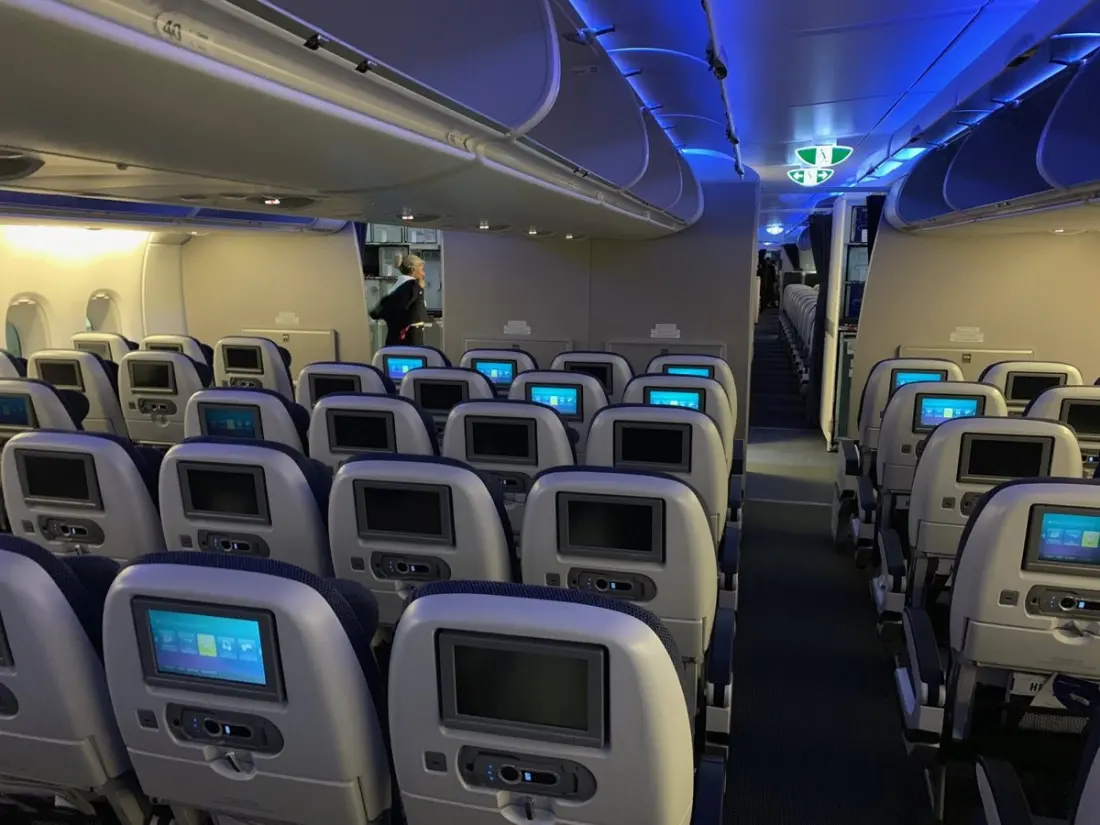
A travel blogger's recollection of a 2018 flight is doing the rounds again, and it's a tidy lesson in seat etiquette - plus the perils of venting in a language you assume nobody speaks. Writing on Live and Let's Fly, the author describes a British Airways economy flight where a simple recline turned into an in-flight standoff.
The setup was unremarkable. Seated in row 38, the author followed his own house rules: seat stayed upright during the meal service, and when he finally leaned back he did it slowly, so the laptop of anyone behind him wouldn't end up flattened. That didn't satisfy the German man in his late sixties seated directly behind, who started cursing and then thumping the seatback.
It escalated the way these things do. After a glare produced silence, the man began muttering insults in German - presumably safe in the belief the Englishman in front couldn't understand a word. About twenty minutes later he was shaking the seat and gesturing for it to be raised. That's when the author turned around and delivered, in fluent German, a calm lecture: reclining is his right, and he had little choice anyway since the row ahead of him was already back. The reaction was instant shock, followed by total silence for the rest of the flight.
There was even an amicable ending. On landing, the author offered a handshake and a peace offering of sorts - economy class is rough for everyone. The man agreed, though he had bigger problems: a late arrival meant he'd missed his connection to Dusseldorf.
The takeaway isn't really about one grumpy passenger. The author's position on the eternal recline debate is consistent: whether to recline is your call, not your neighbour's - that's why the seat behind you also reclines. But he flags two courtesies worth keeping. Recline gradually, never in one sudden jolt that could break someone's laptop, and keep the seat upright during meal service unless there's a good reason not to. His broader point is that cramped seat pitch is the real culprit behind air rage, and a bit of manners on both sides keeps a tight cabin from turning hostile.
For travellers, the story works on two levels. First, it's a decent template for handling seat disputes: state your case calmly, skip the profanity, and shake hands when it's over. Second, it's a reminder that cabin walls have ears - increasingly, fellow passengers speak your language, whatever it is. Assume anything you mutter at 38,000 feet can be understood.