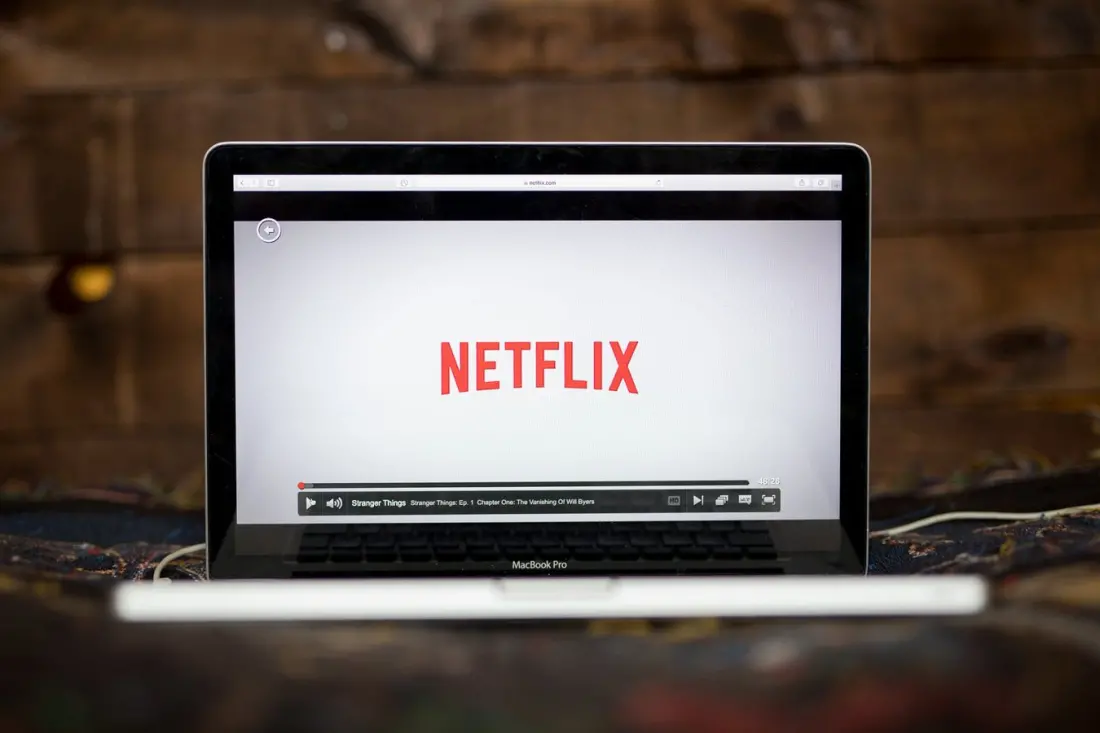
Football fans heading to Spain for the 2030 World Cup now know where they'll be watching the games they can't get tickets for: Netflix. The streaming giant confirmed on 13 October 2026 that it has snapped up the exclusive audiovisual rights to the tournament across Spain and Andorra, covering every one of the 104 matches live, plus pregame shows, halftime analysis, post-match programming and daily highlight reels on match days.
Here's the catch — this is a territorial deal, not a global one. Rights for major tournaments are sold market by market, so viewers elsewhere will depend on whatever agreements their own broadcasters strike. In Spain and Andorra, though, a Netflix subscription becomes the only way to see the full competition.
Casual fans and travellers on a budget aren't shut out entirely. One match per matchday will be streamed free in Spain, and a national free-to-air broadcaster will carry a curated selection including every Spain fixture, both semifinals and the final. So if you're in a Madrid bar or a Barcelona plaza during the knockout rounds, the biggest games will still be on public screens.
The tournament itself is an unusual one. The 2030 edition marks the centenary of the first World Cup, held in Uruguay in 1930, so Spain, Portugal and Morocco will share hosting duties as the three main countries, while commemorative matches are planned in Uruguay, Argentina and Paraguay — a nod to the tournament's South American roots. That six-country spread makes it one of the most logistically complex World Cups ever, and a tempting multi-stop trip for anyone keen to combine matches with travelling across Iberia and Morocco.
For Netflix, the deal is a significant escalation of its live sports push. It already holds rights to the 2027 and 2031 FIFA Women's World Cups in the US and Canada, but a full men's World Cup — even limited to two small territories — puts the platform at the centre of the planet's biggest sporting event. It's also a sign of how sports viewing is shifting: the old split between pay-TV and free-to-air now includes streamers as a third pillar, with FIFA and Netflix promising more detail on the operational side and free broadcasts closer to the tournament.
Why does this matter if you're planning a trip around the 2030 World Cup? If Spain is on your itinerary, factor a Netflix subscription into your plans if you want full coverage from your hotel room or rental. If you're there for the atmosphere rather than the screen time, the free-to-air arrangement guarantees the marquee moments — Spain's matches, the semis and the final — stay accessible to everyone, whether you're watching from a fan zone or a village square. And with matches spread across Spain, Portugal and Morocco, the smart play is to build in travel time between host cities and beyond: train connections across Iberia are decent, and ferry or short-hop flights link southern Spain to Morocco for a two-continent World Cup experience.