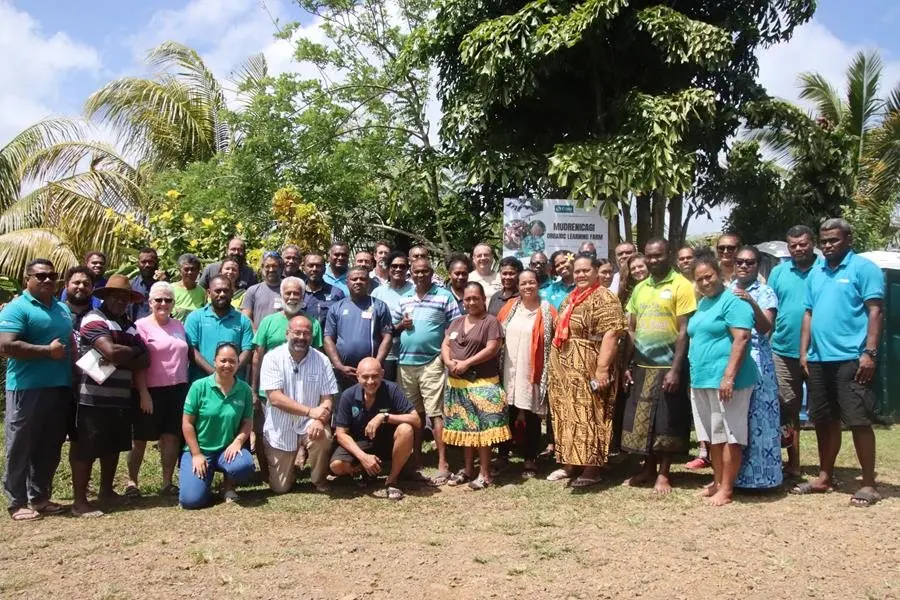
A working organic farm outside Nadi recently turned into a regional meeting point. The Mudrenicagi Organic Learning Farm hosted a three-day Capitalisation of Learning Exchange workshop, run by the Pacific Organic Learning Farms Network (POLFN) project under the Pacific Community (SPC), as part of the Kiwa Initiative on climate adaptation.
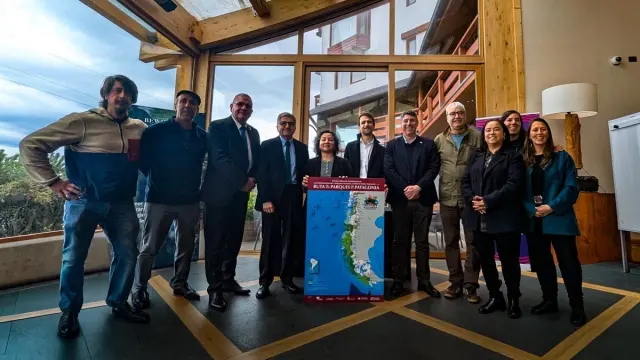
Practitioners came in from Fiji, Tonga, Samoa, the Solomon Islands, the Federated States of Micronesia, French Polynesia and New Caledonia — a rare face-to-face gathering for people who usually tackle similar climate problems from separate islands. The mix was deliberately broad: forestry, farming and ocean conservation specialists all in the same room.
The core question was practical rather than academic: how do you make nature-based solutions stick once donor funding runs out? Sessions pushed community ownership over dependence on external projects, and linked sustainable land practices to real livelihoods — market access, household income and stronger local economies. Project manager Fuatino Fatiaki framed the event as a mechanism for sharing what is actually happening in Pacific communities and finding actions that feed into the UN Sustainable Development Goals by 2030.
The setting mattered. Mudrenicagi is one of several organic learning farms in the POLFN network, and the programme mixed farm walks, hands-on activities and group discussions so participants could see agroecological methods in the ground rather than on slides. Advisor Karen Mills noted the value of putting people doing parallel work — on forests, farms or reefs — in one place to compare approaches to Pacific climate challenges.
For visitors, farms like Mudrenicagi hint at a side of Fiji most tourists never see: small-scale organic agriculture, community-led conservation and food systems built around resilience rather than volume. Travellers interested in agritourism, regenerative travel or understanding how island communities are adapting to climate change will find this network a useful window into the region's quieter, more grounded projects.
Whether the workshop has lasting impact is the open question. Fatiaki's closing message was blunt: knowledge needs to leave the room. Participants were urged to adapt what they learned to their own communities and keep collaborating after the three days — turning a regional exchange into something that outlives the project funding that made it possible.